
Ayúdame3D technical aids catalog
At Ayúdame3D we not only design our Trésdesis, 3D printed arm prostheses, but we also create technical devices adapted to the needs of each person. We believe in the power of listening and innovating together. That is why each solution is born out of empathy and the desire to improve the quality of life of people around the world.
A continuación, tienes un catálogo con todos nuestros dispositivos innovadores. Si no encuentras lo que buscas, escríbenos a soporte@staging.ayudame3d.org y lo creamos para ti. Porque en Ayúdame3D… ¡ayudar es demasiado fácil como para no hacerlo!
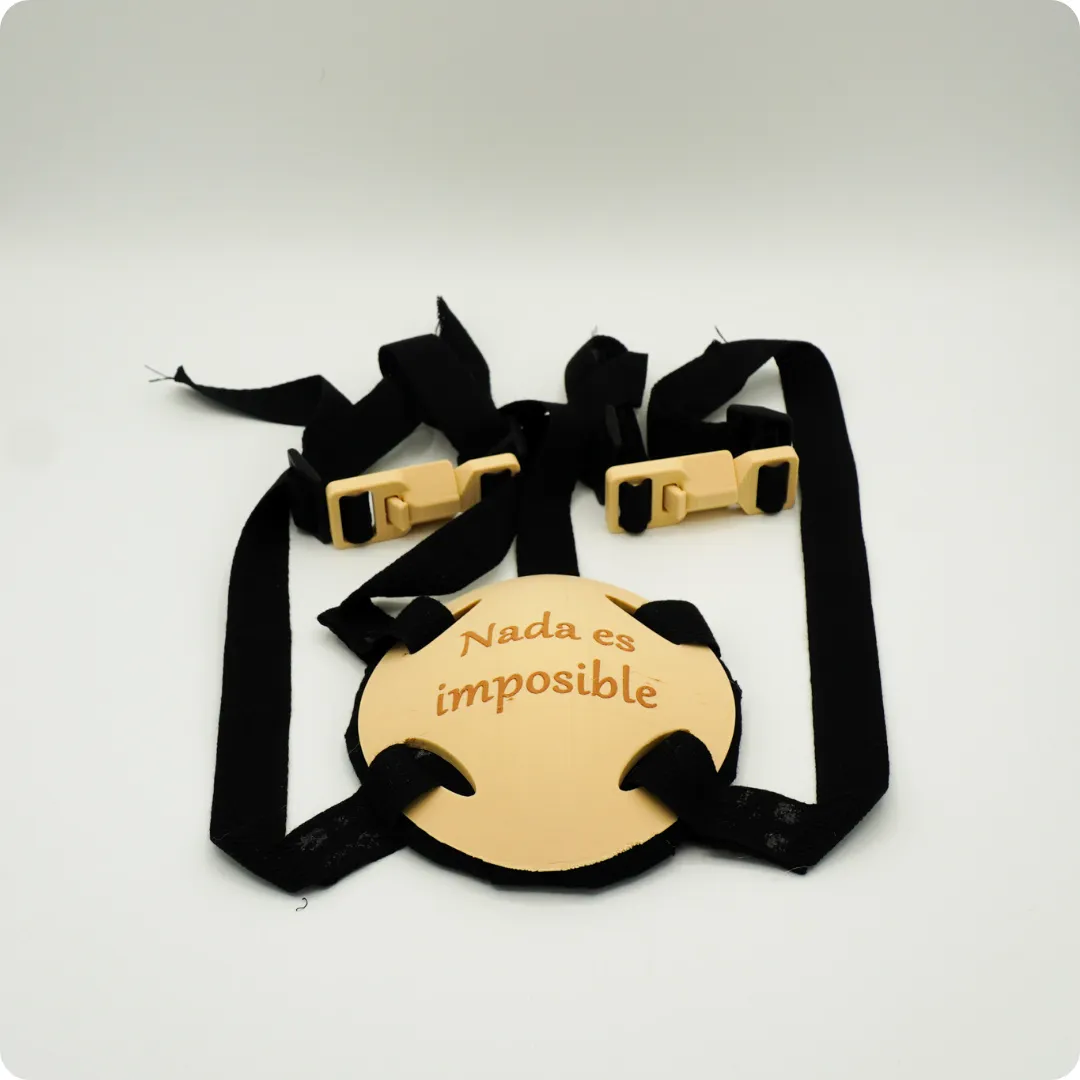
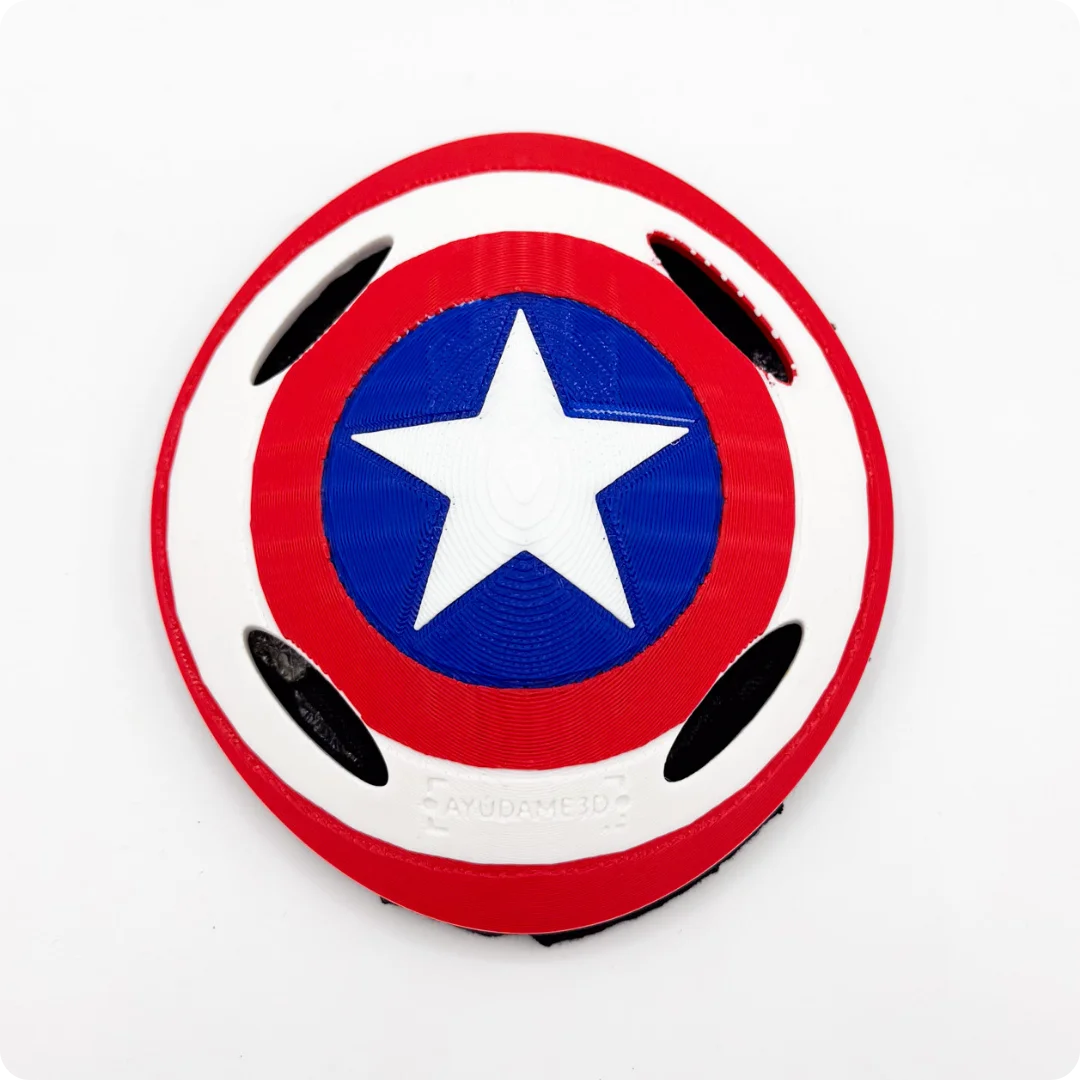
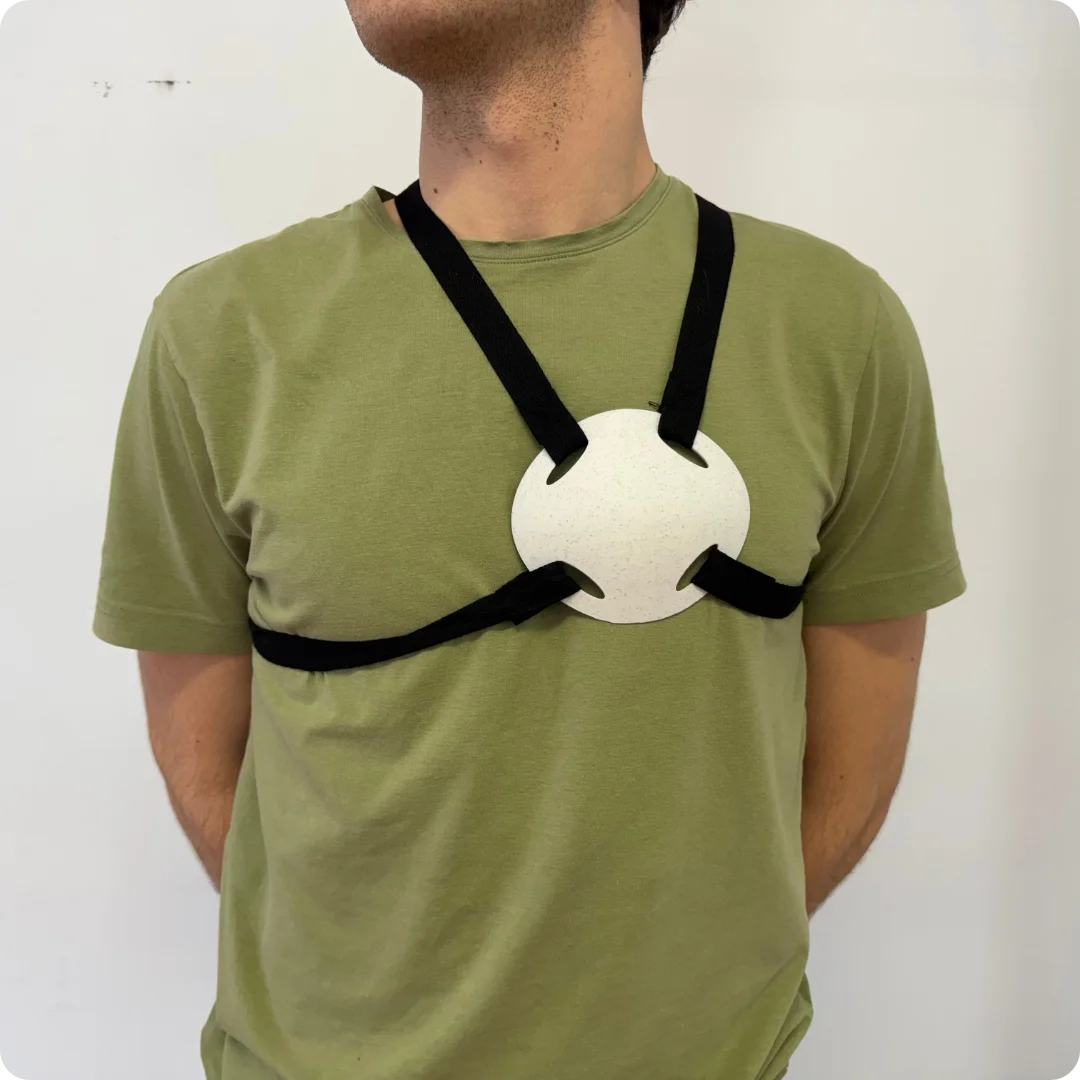
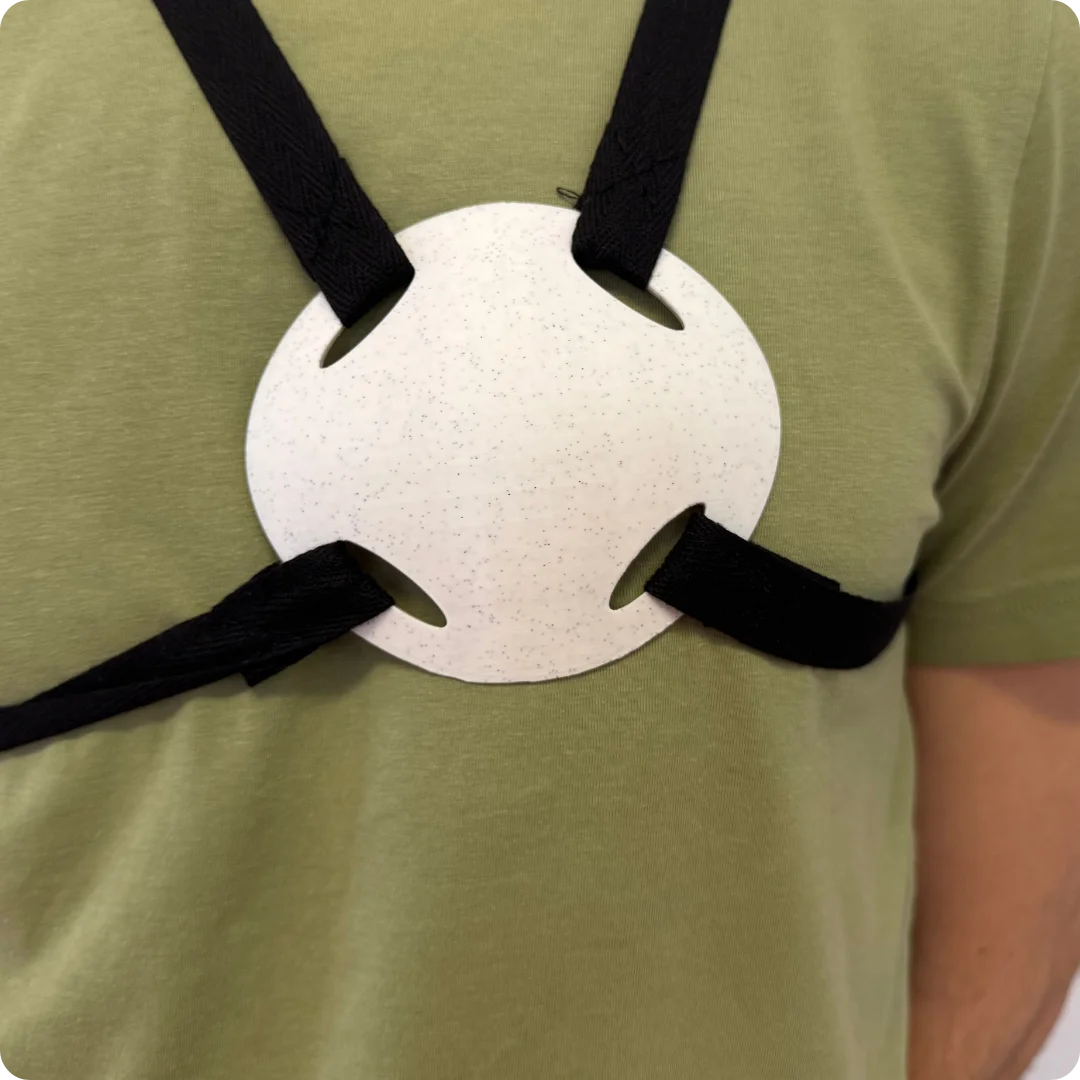
Port-a-cath protector
What is it for?
It is a shield that protects the port-a-cath or intravenous devices from possible shocks or sudden movements.
How does it work?
The base of the device is placed on the port-a-cath and the adjustable straps are passed around the person's body in a cross pattern.
Who can use it?
Persons with port-a-cath or intravenous devices.
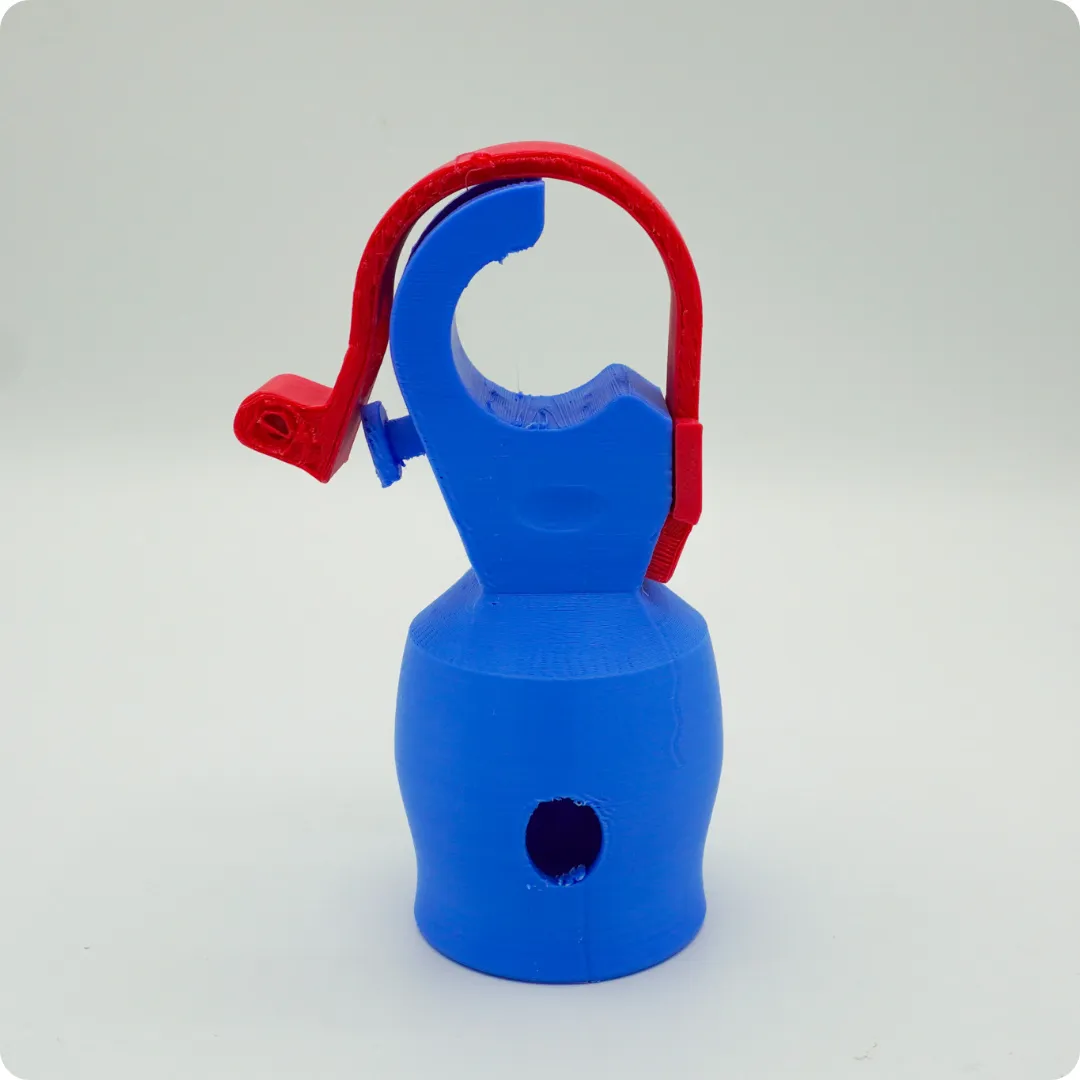
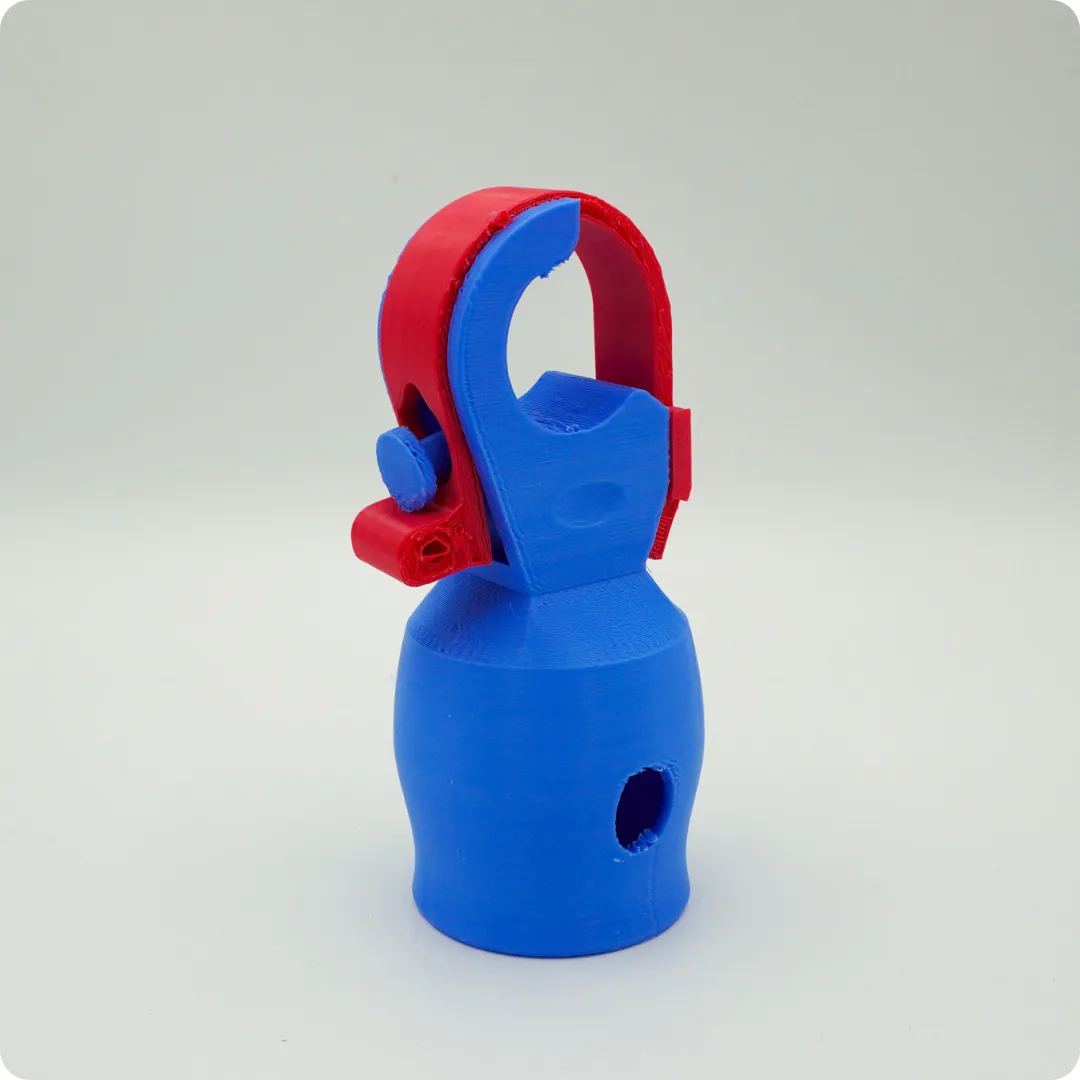
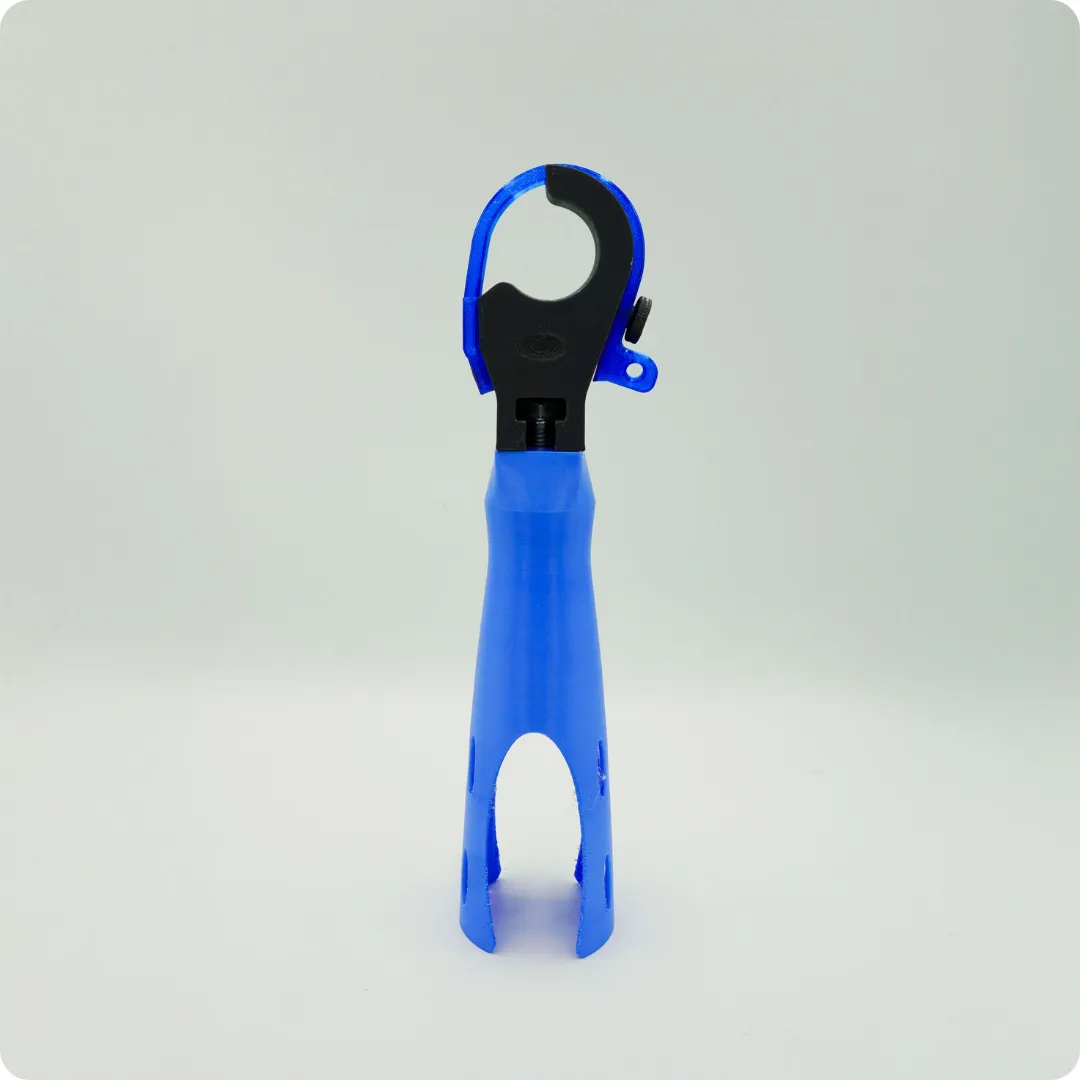
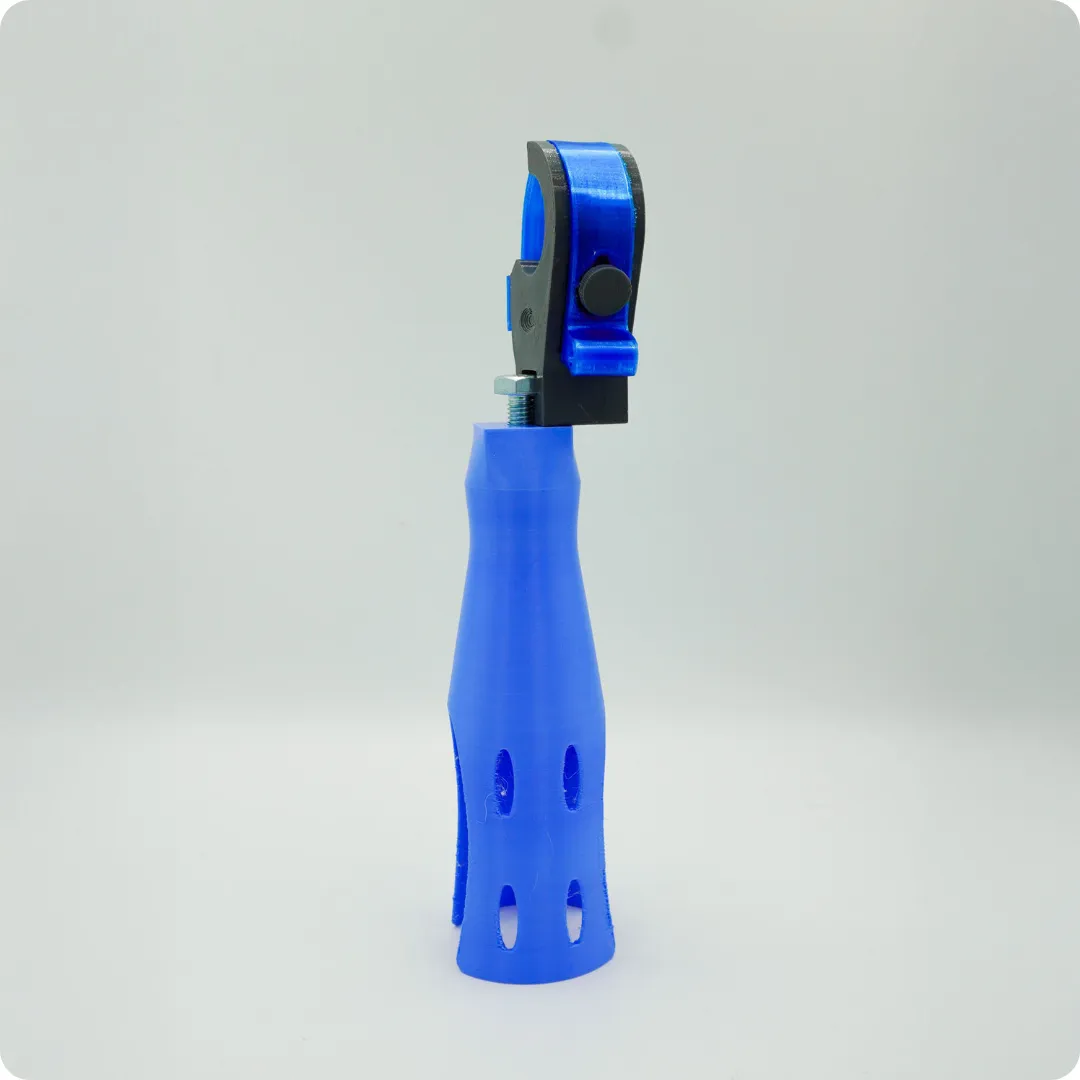
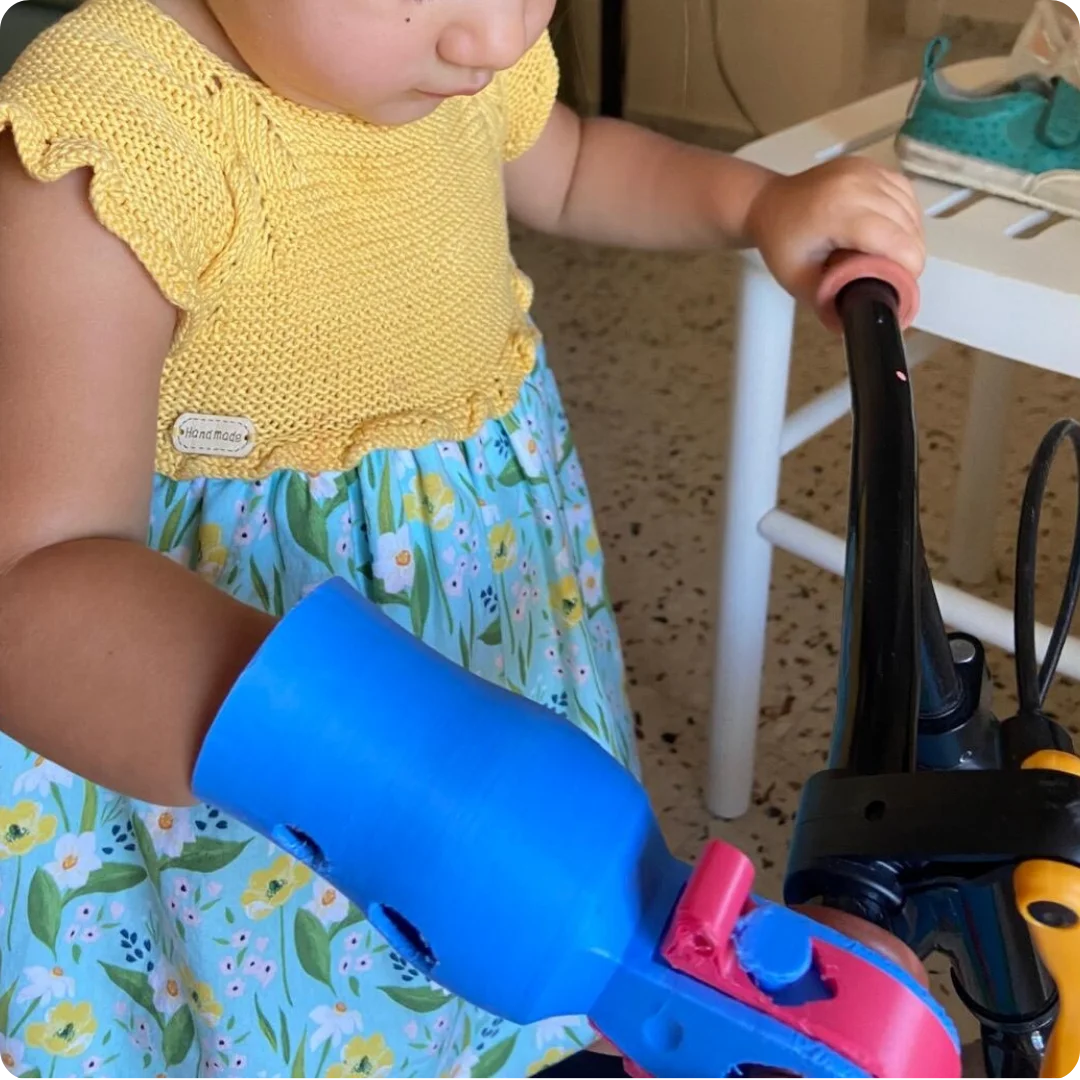
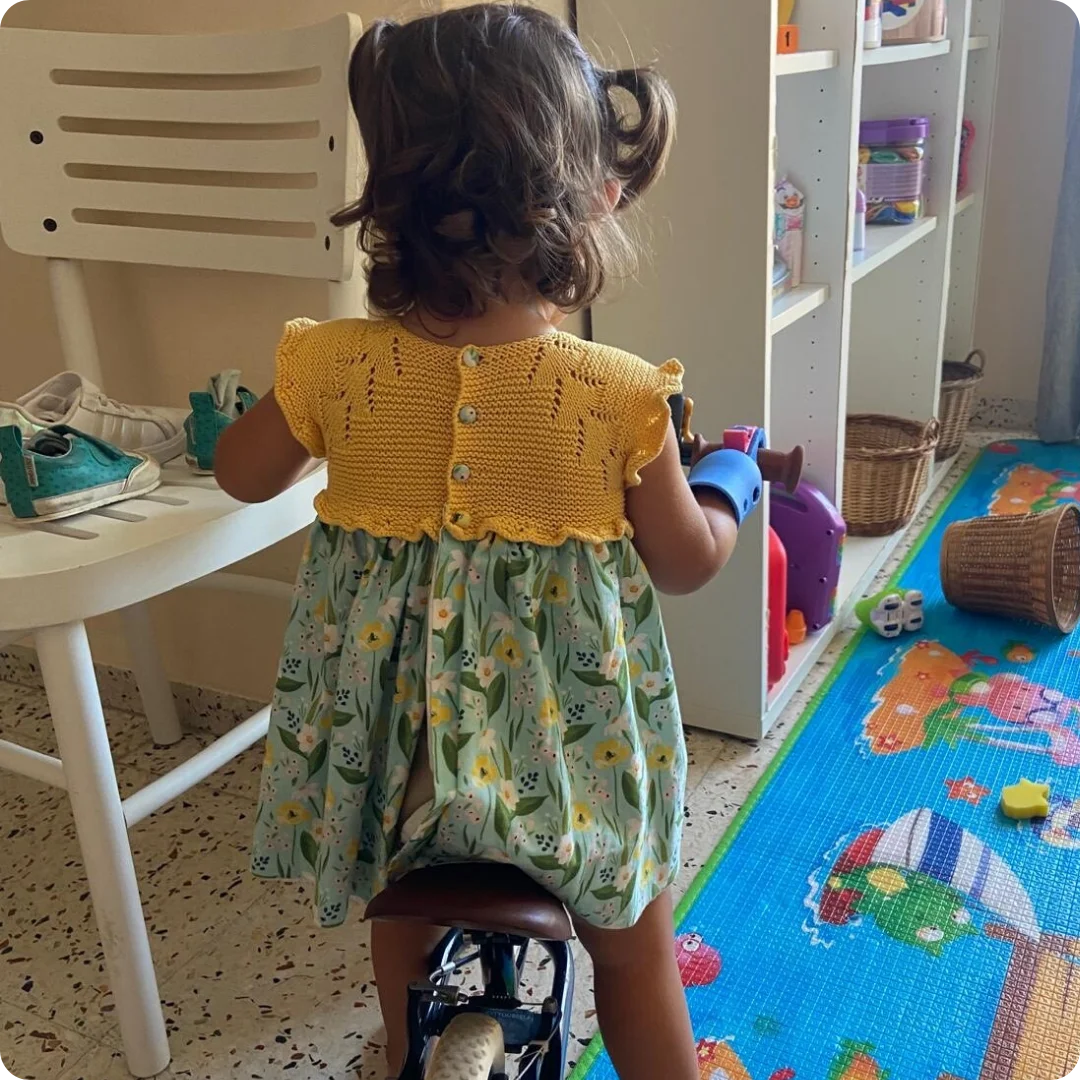
Bicycle/tricycle prosthesis
What is it for?
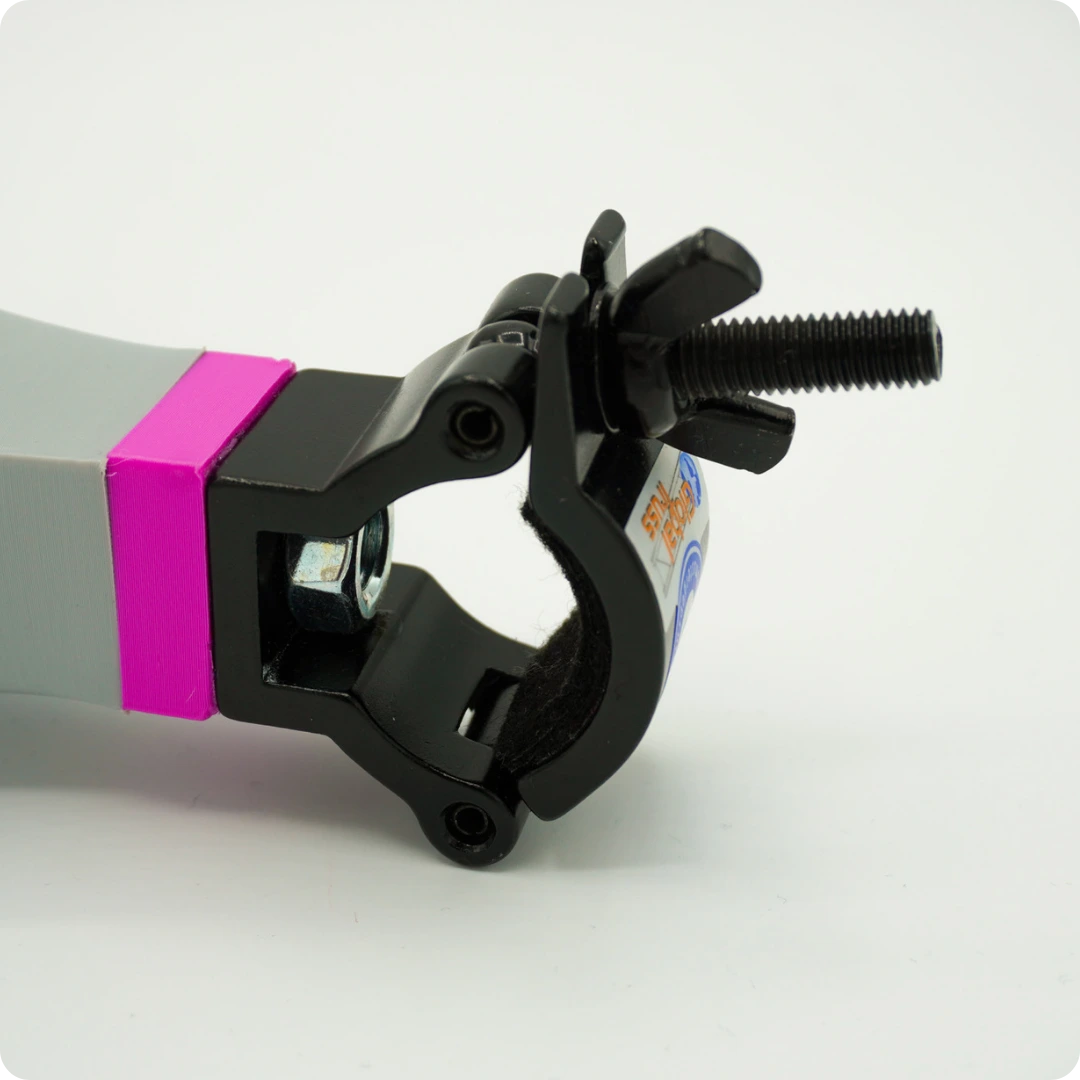
Complement to attach to the handlebars of a bicycle or tricycle.
How does it work?
The head fastens to the handlebars thanks to its flexible buckle. And depending on the socket you use:
- A finger amputee puts his hand in the short socket to be able to push against the handlebars and not slip. He will be able to remove his hand quickly in case of emergency.
- A transradial amputee should adjust the long socket to his arm and attach it to the head thanks to the safety adjustment that will allow him to release it quickly in case of emergency.
Who can use it?
Persons with amputation or agenesis of the arm or hand.
Prostheses for the gym
What is it for?
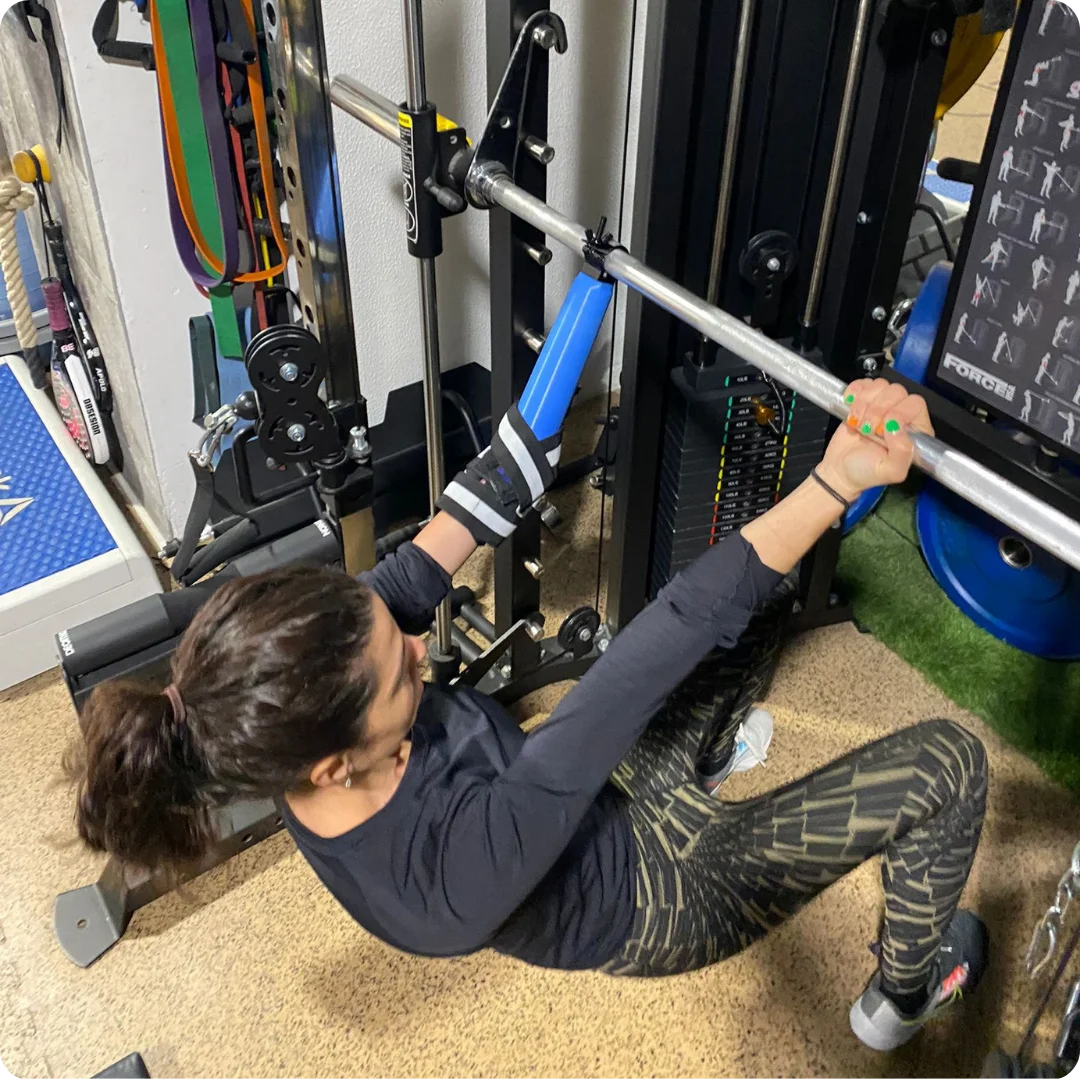
Complement to perform strength exercises in the gym.
How does it work?
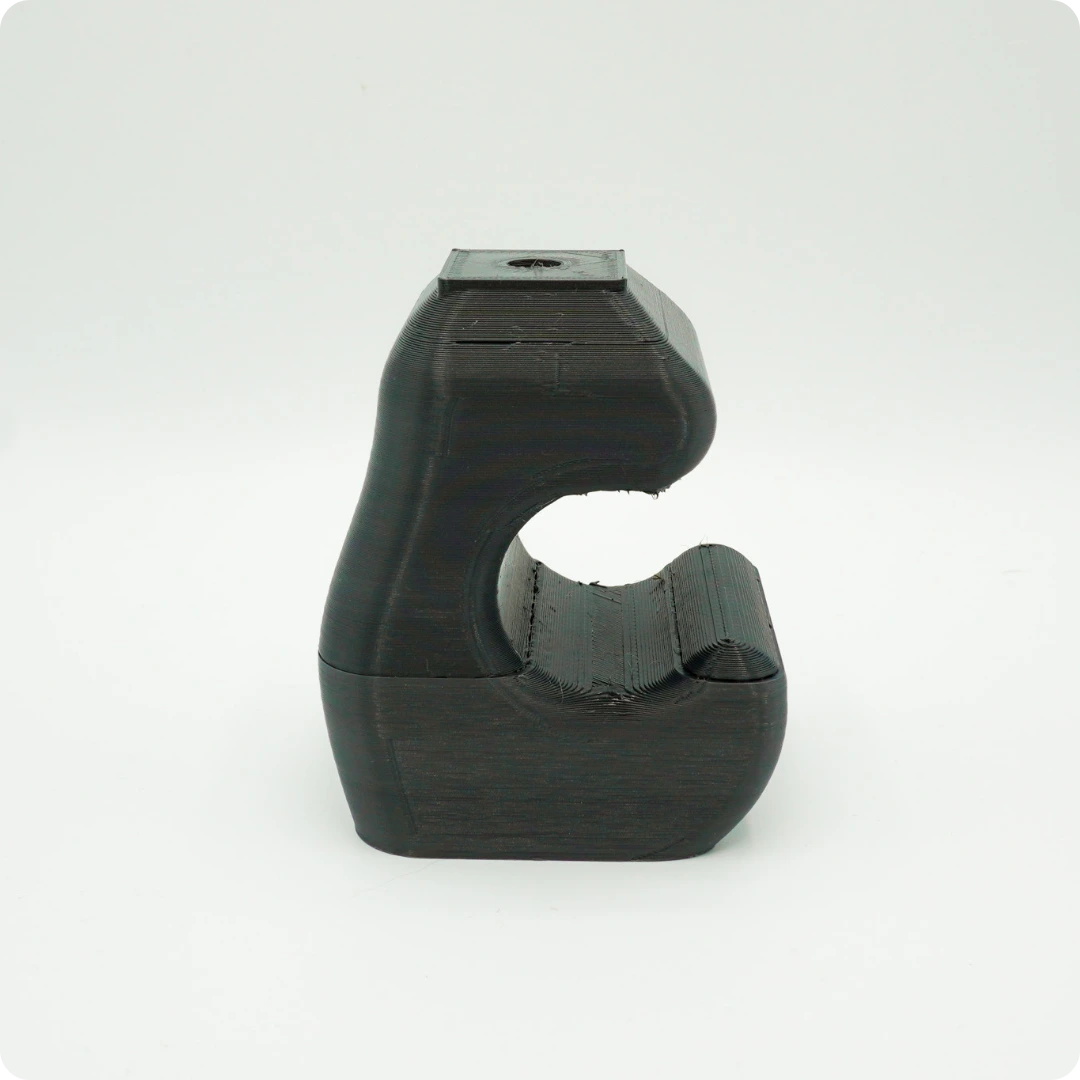
The arm is placed inside the socket and the desired head is adjusted depending on whether you want to hold dumbbells, weights and barbells or rest on the floor.
Who can use it?
Persons with amputation/agenesis of the arm or hand.
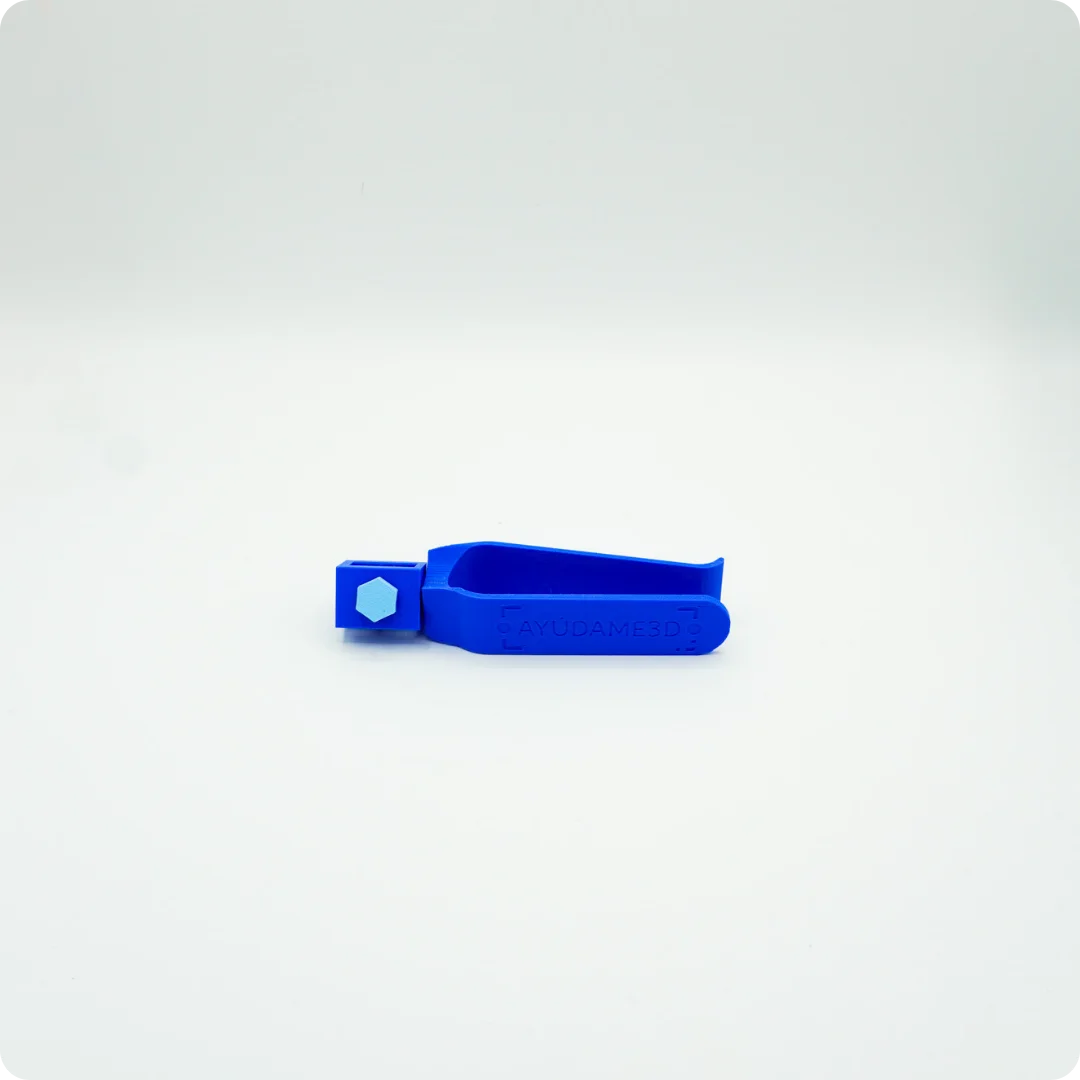
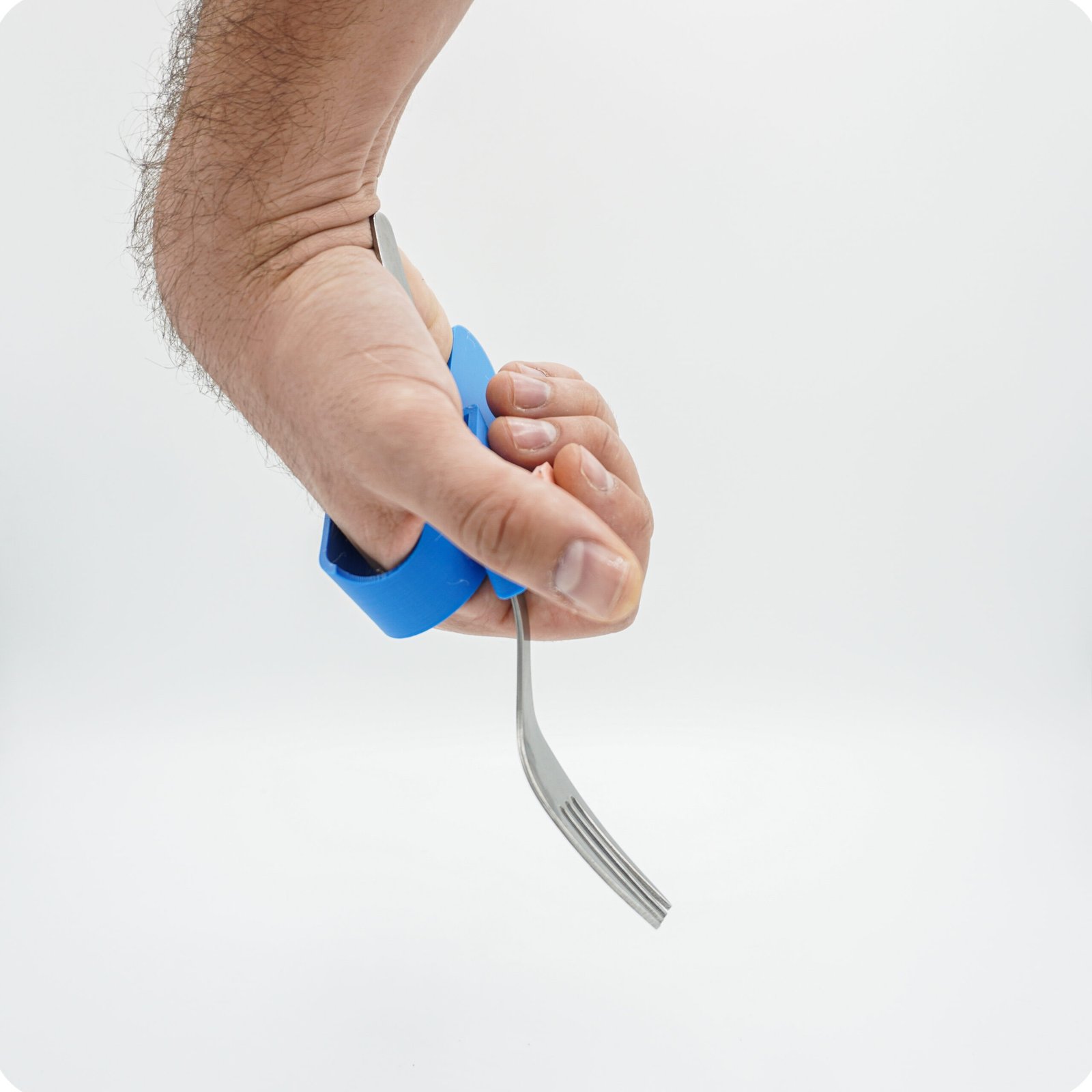
Cutlery holder
What is it for?
Helps to hold cutlery.
How does it work?
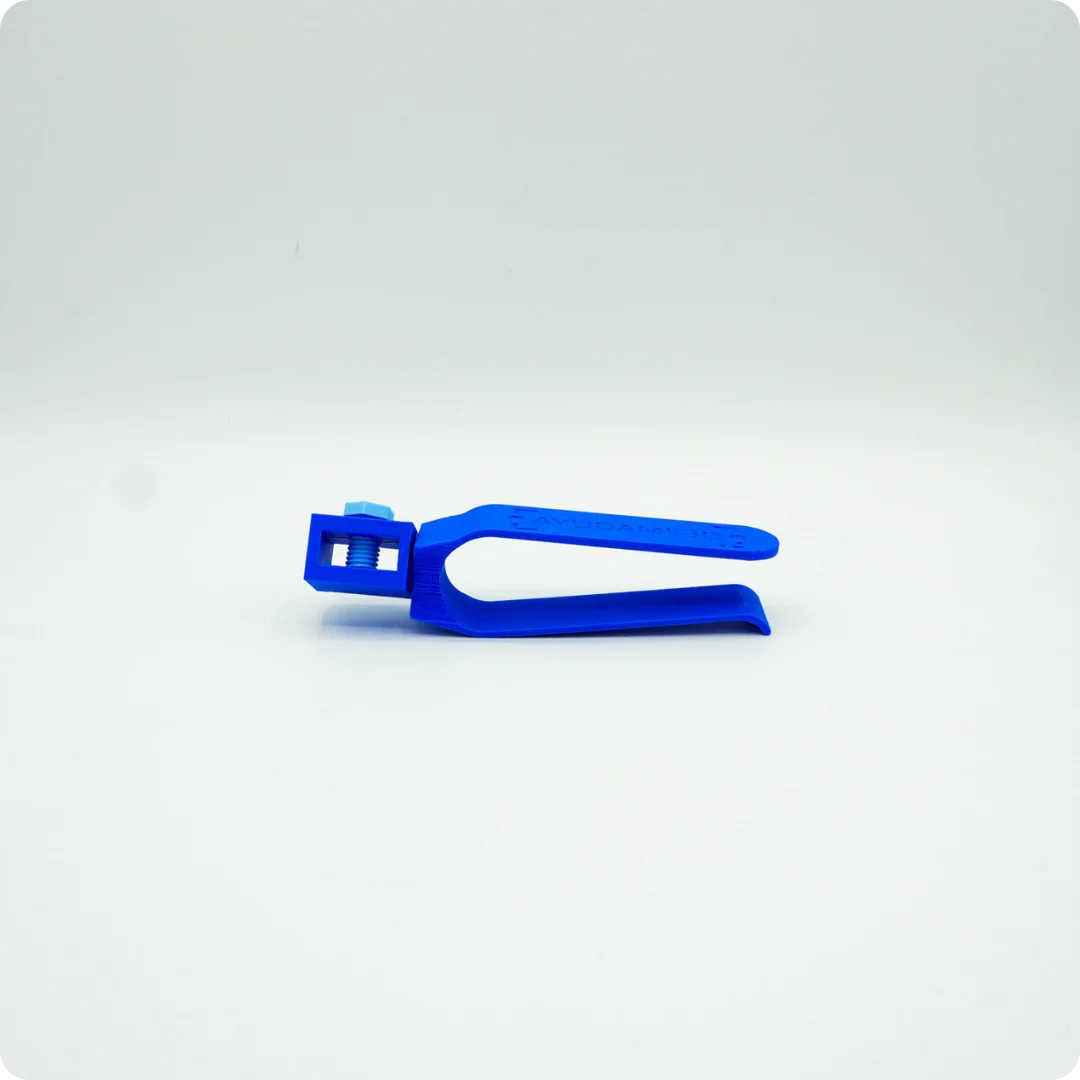
It is a clamp that is hooked on the hand and has an adjustable support to put the corresponding cutlery. It has a specific head for knives (vertical) and another one for forks and spoons (horizontal).
Who can use it?
People who are not strong enough to close their hand and hold the cutlery by themselves.
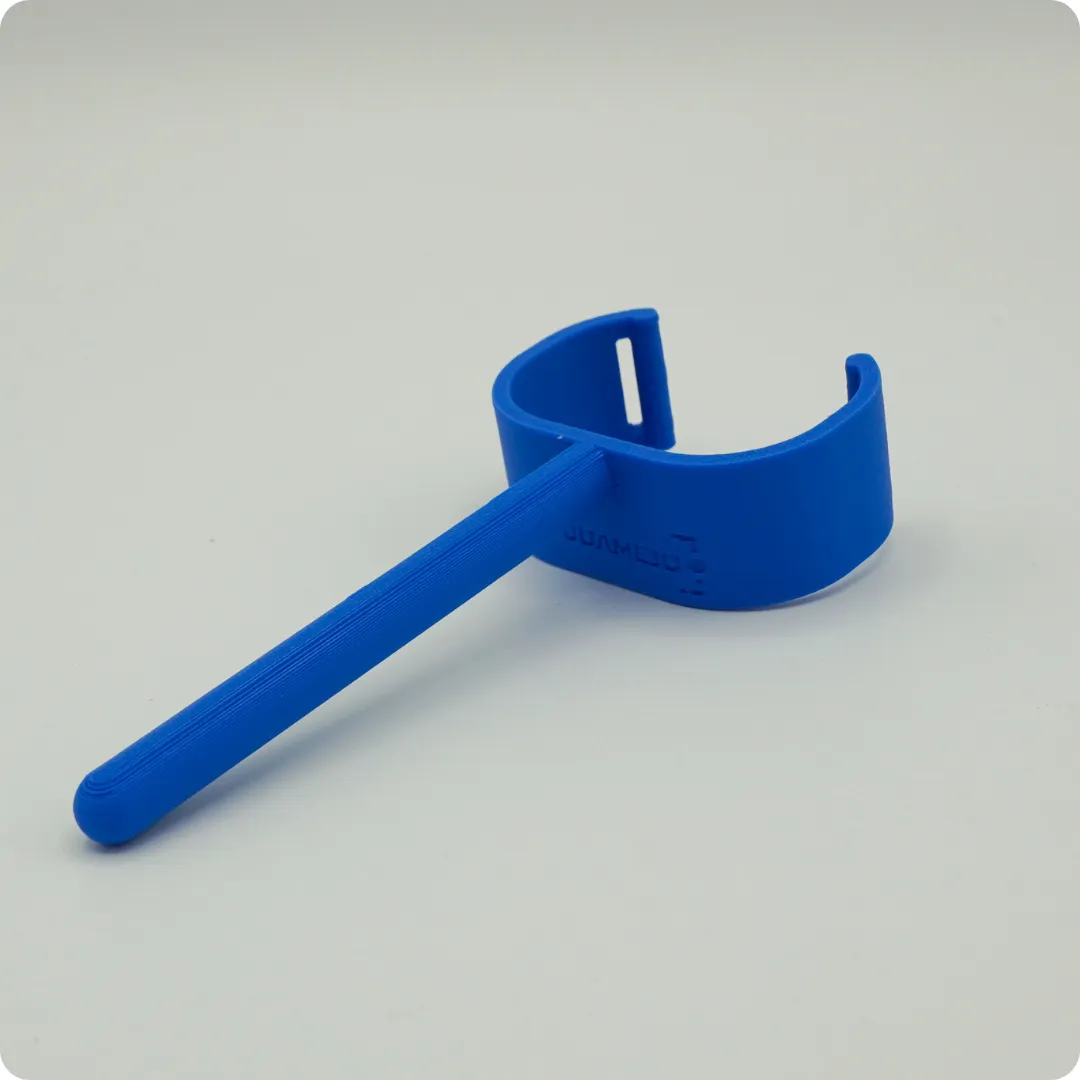
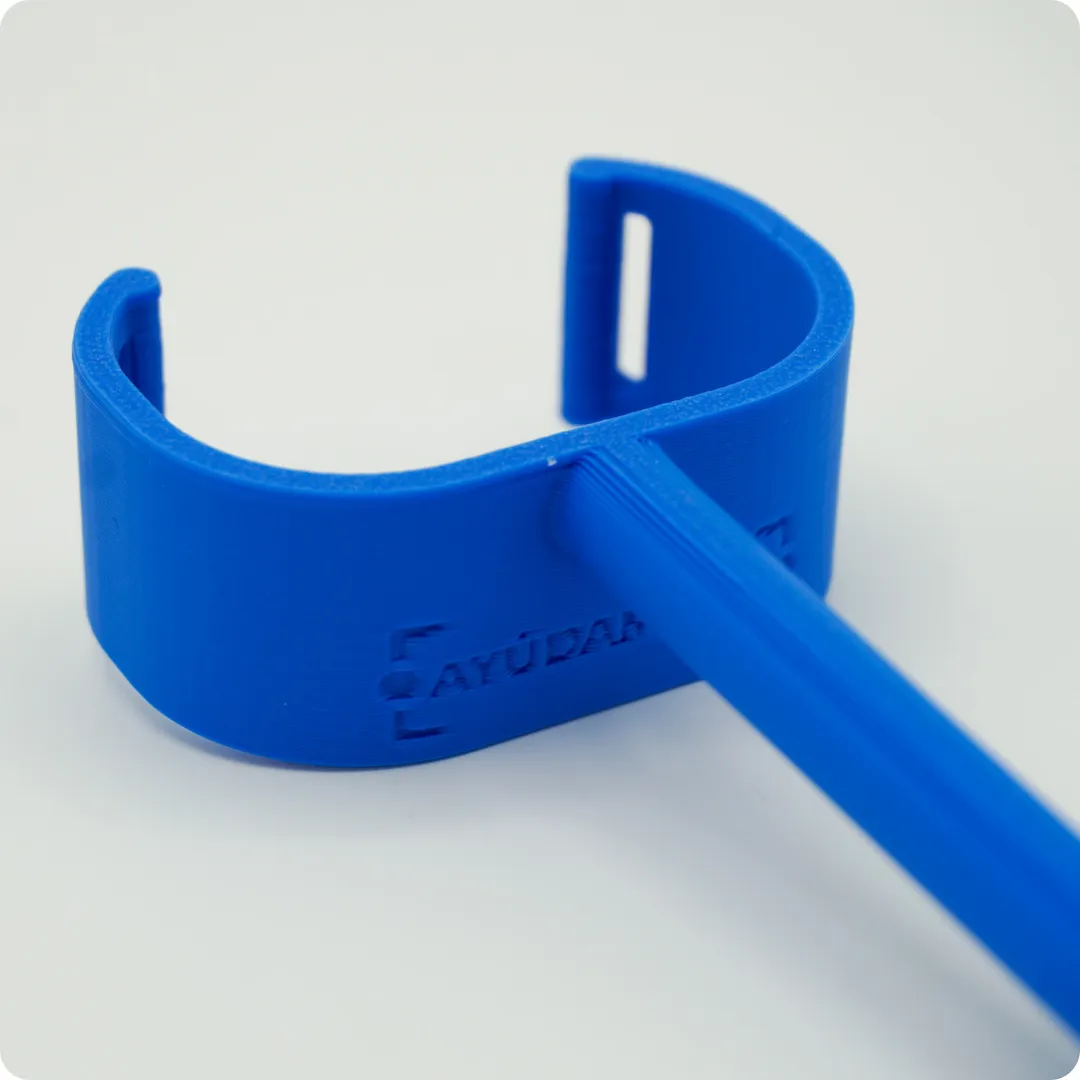
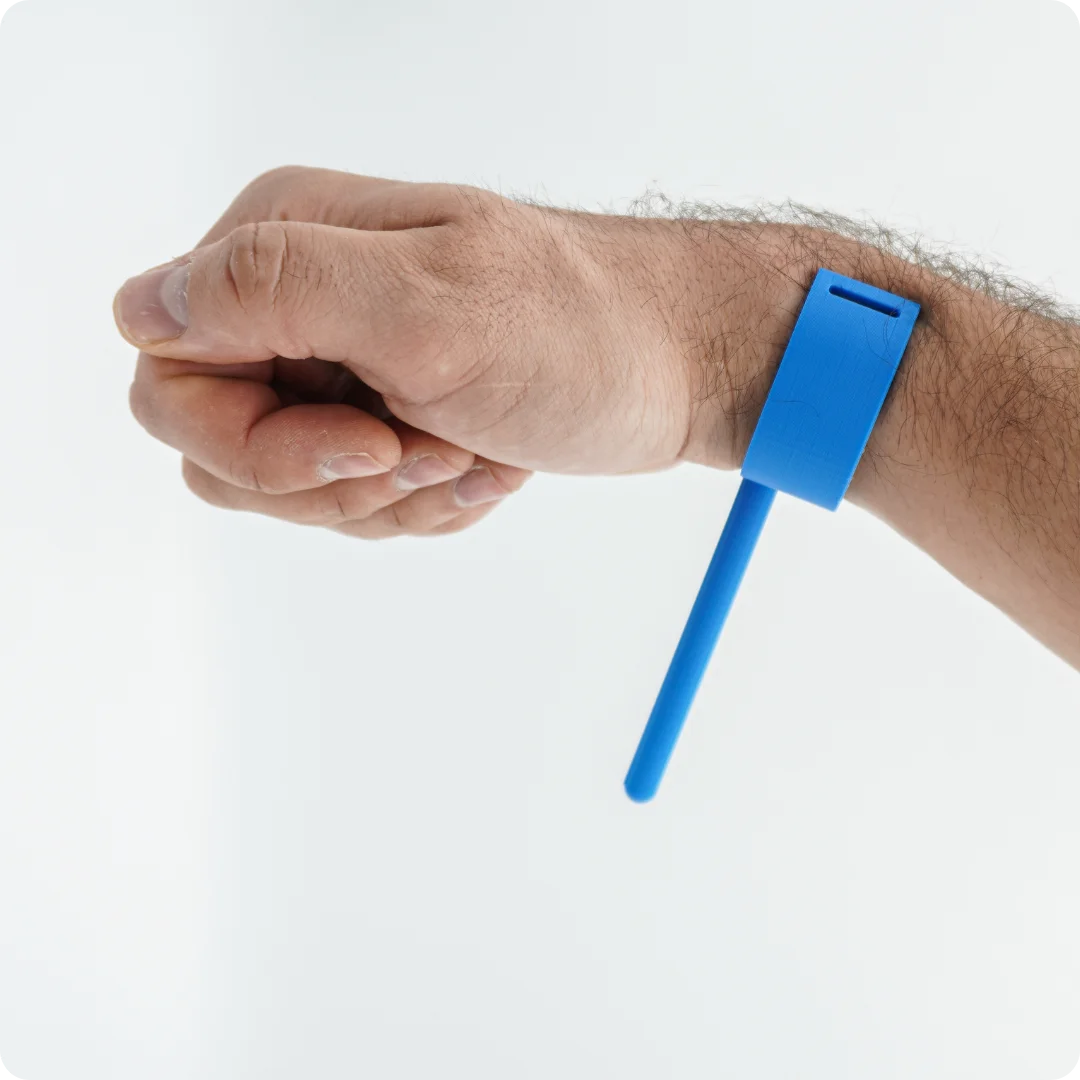
Wrist pointer
What is it for?
This device helps to press the keys on a computer. In addition, by putting a rubber band on the tip of the pointer it can also be used to interact with a touch screen (smartphone or tablet).
How does it work?
The bracelet is placed around the wrist, fastened by Velcro and with the pointer pointing downwards, so that the keys can be pressed by lightly pressing with the arm.
Who can use it?
People with reduced hand mobility or hand amputation.
Finger object holder
What is it for?
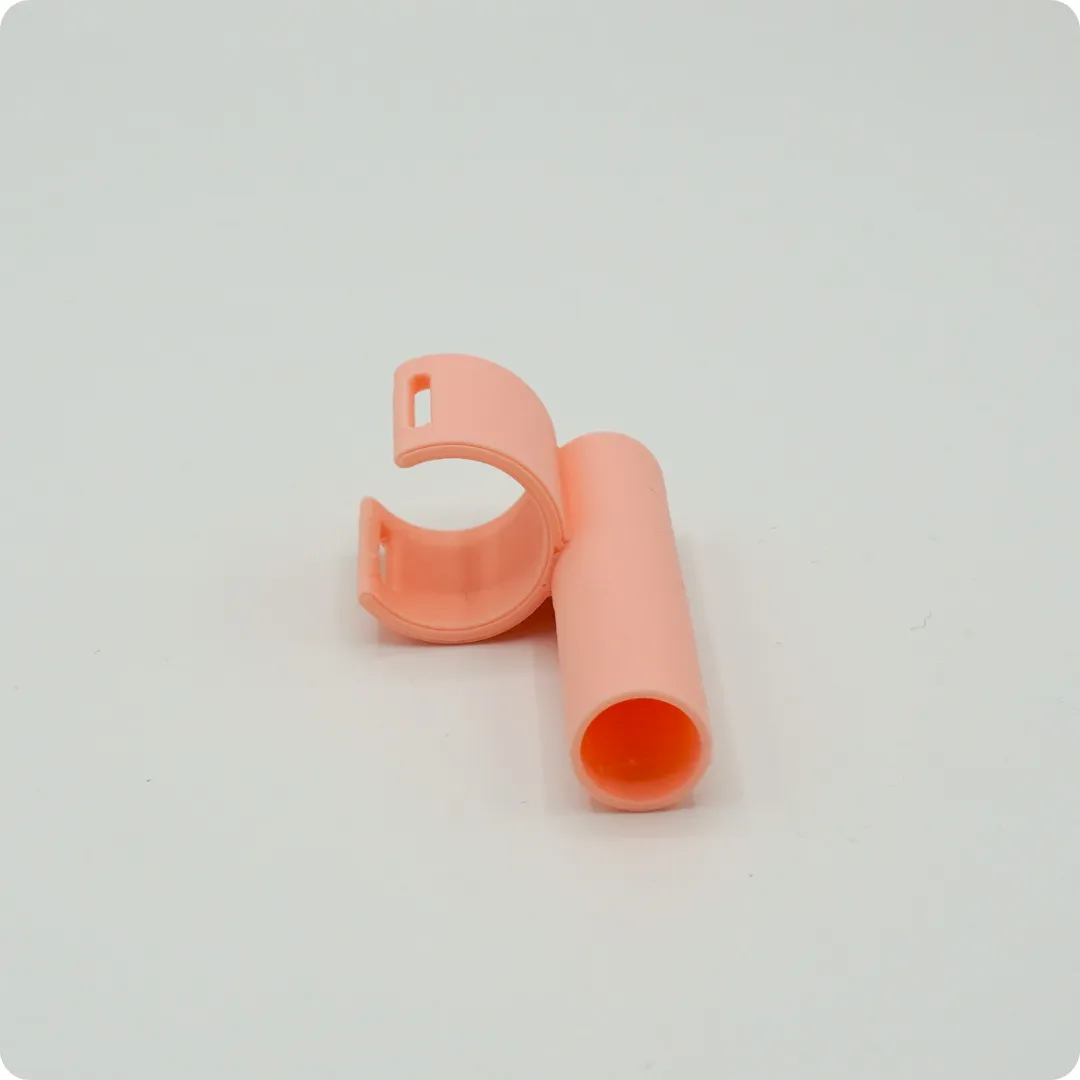
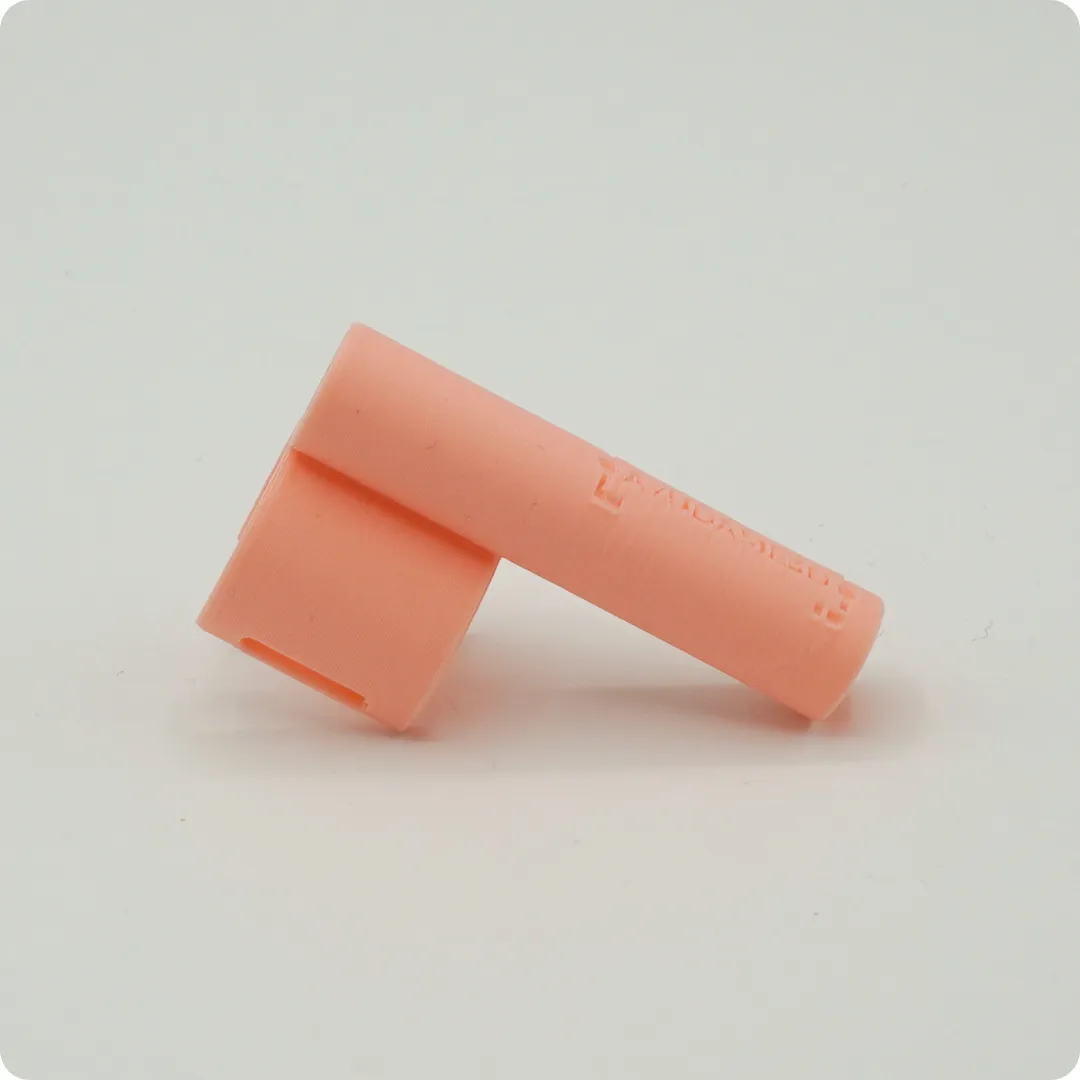
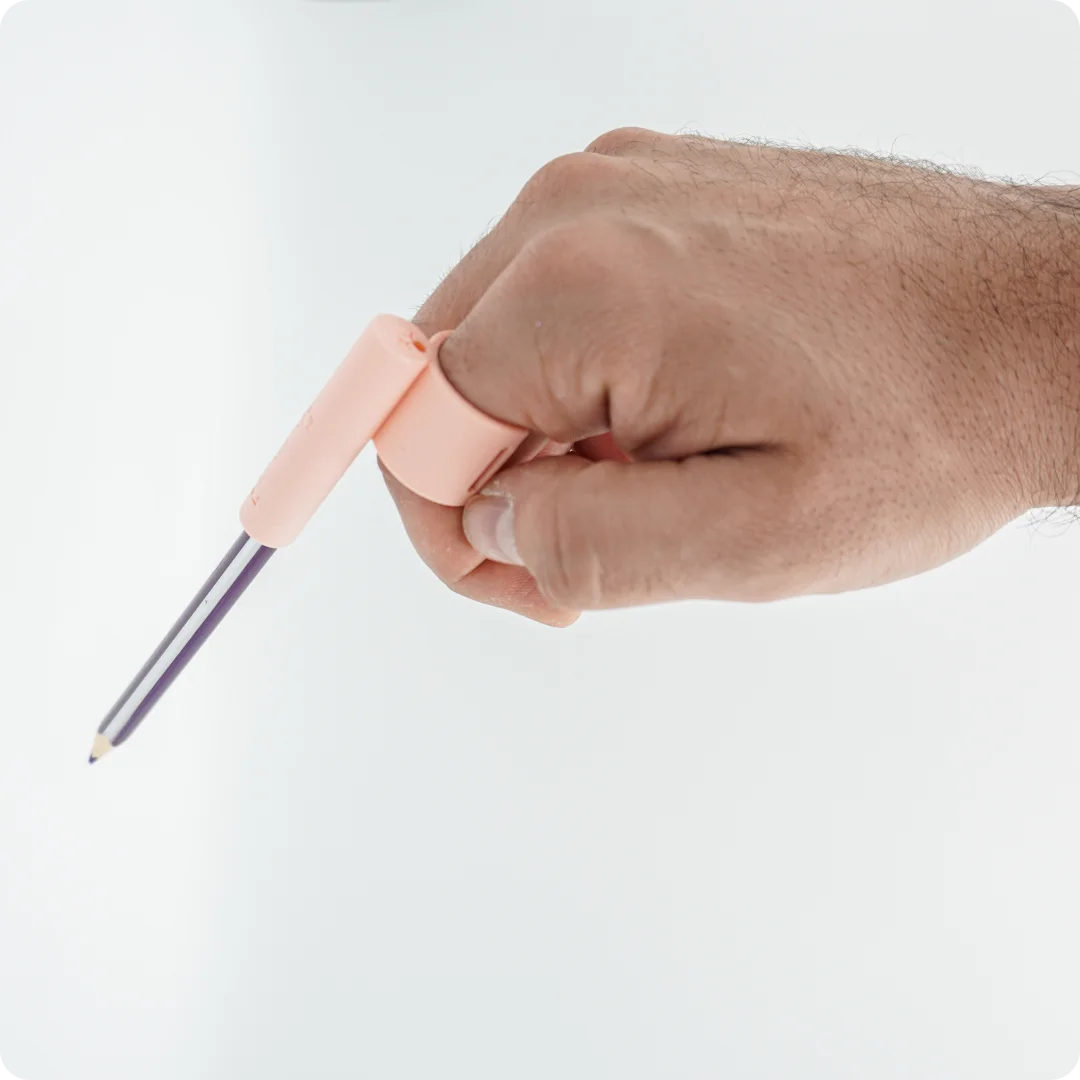
Help to hold writing and drawing objects (brushes, pencils, etc.).
How does it work?
It is positioned as a ring and at the end writing elements of different thicknesses can be inserted and held inside the tube.
Who can use it?
People with reduced hand mobility and difficulty holding thin objects.
Thickened grip
What is it for?
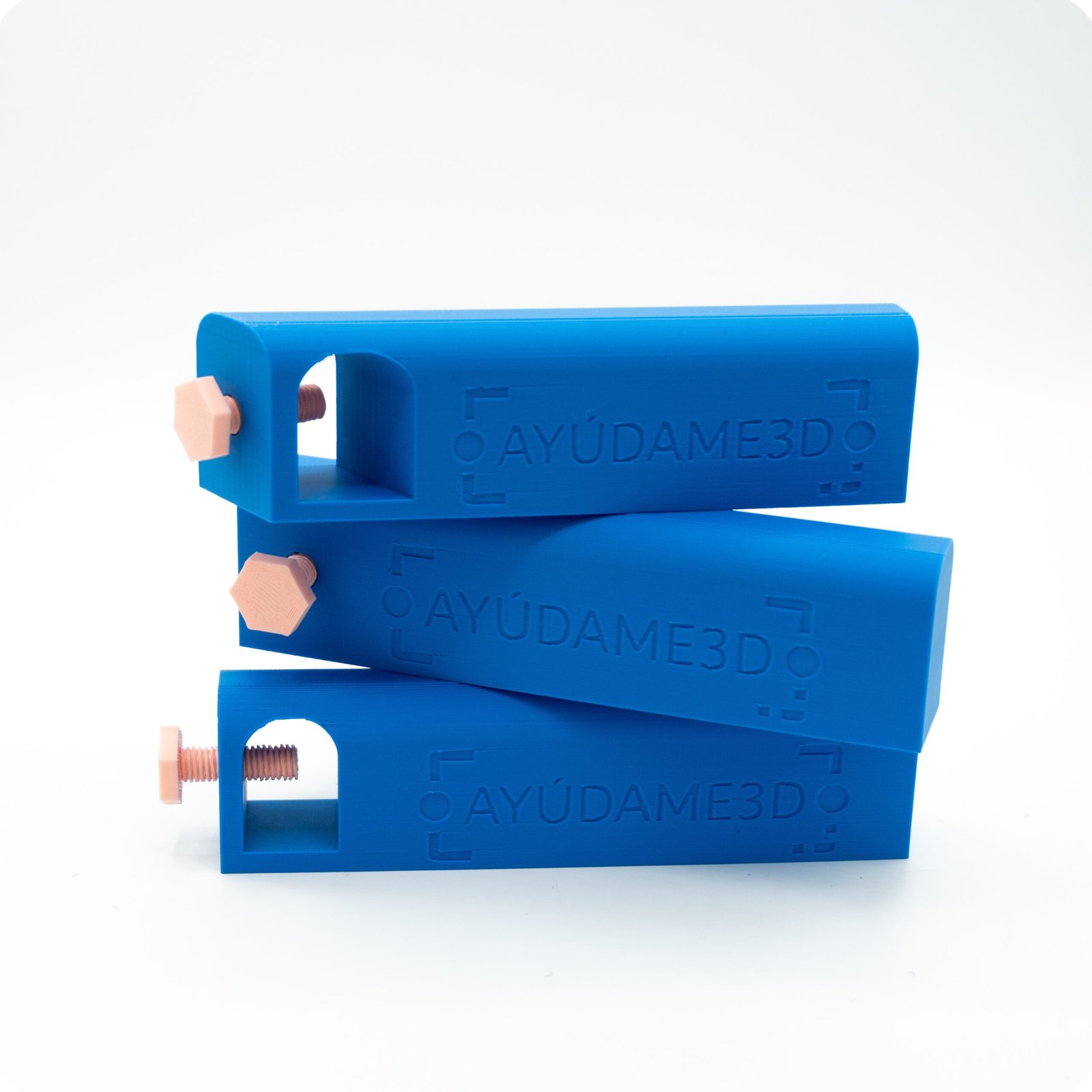
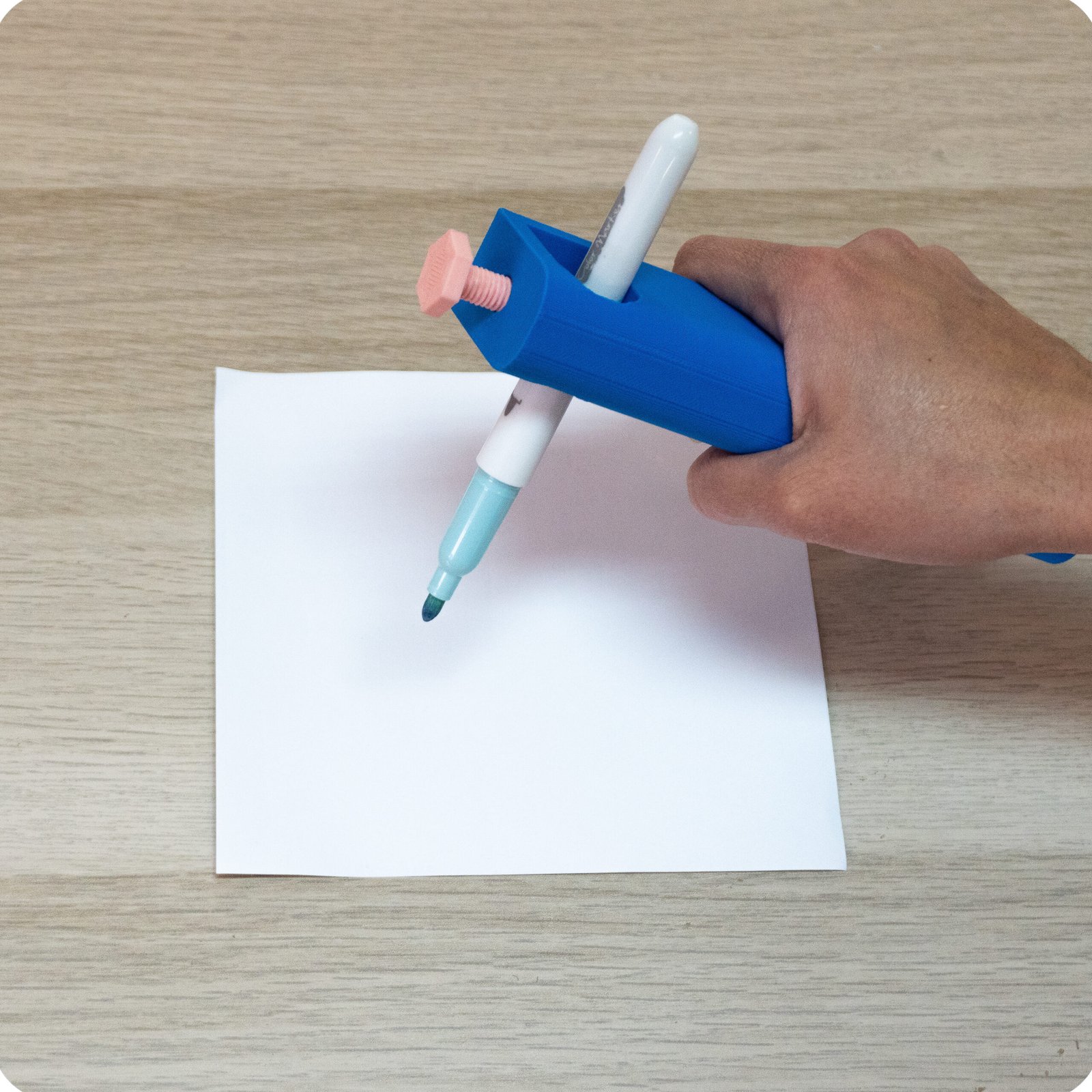
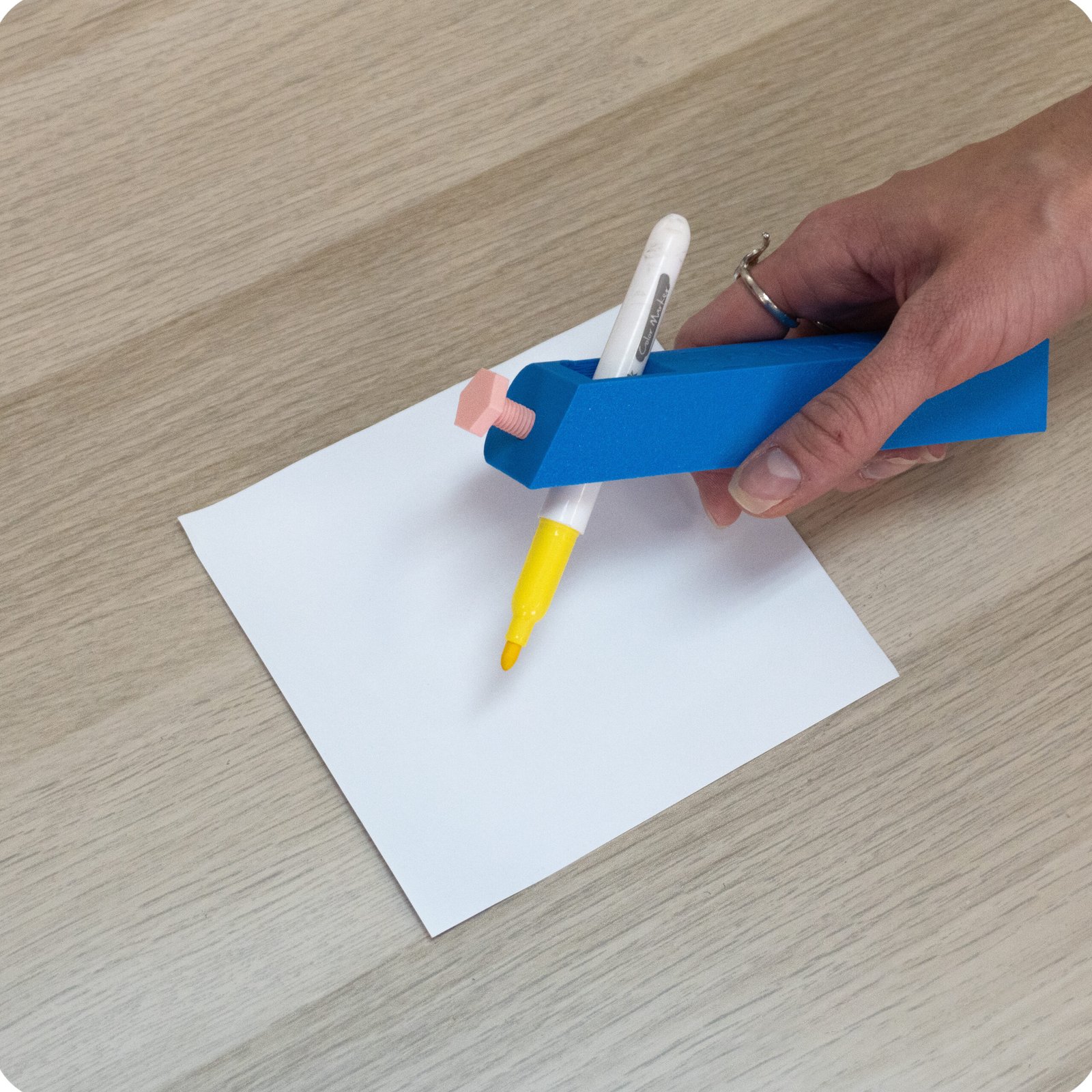
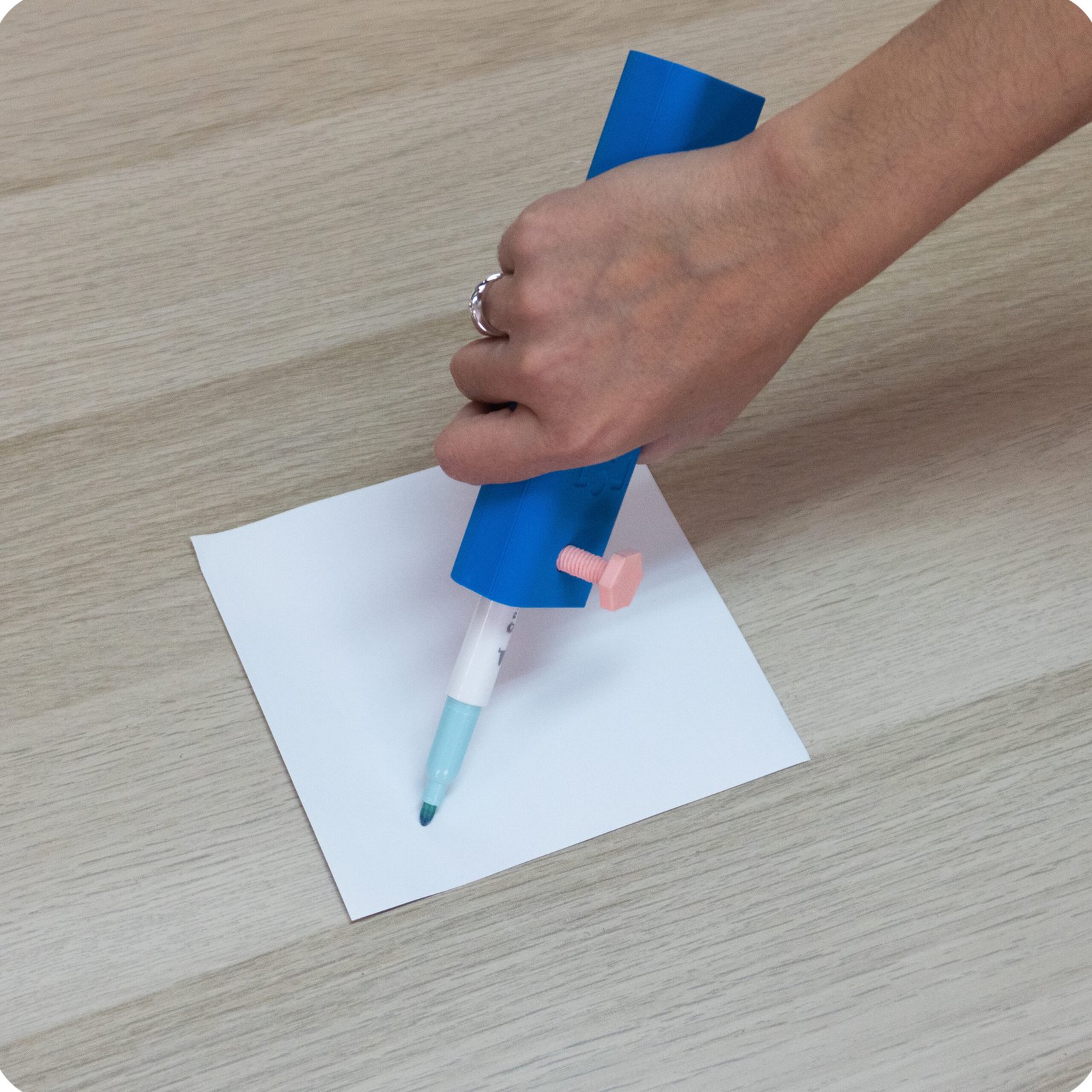
It is a thick support to help hold brushes and other objects. Each one has a different angle (horizontal, vertical and diagonal at 45º) to place the object in the desired position.
How does it work?
The object is placed in the adjustable support to be fastened with the thickened support to the required joint. To ensure that the object does not move, tighten the screw on the device and it is ready for use.
Who can use it?
People with reduced hand mobility and difficulty holding thin objects.
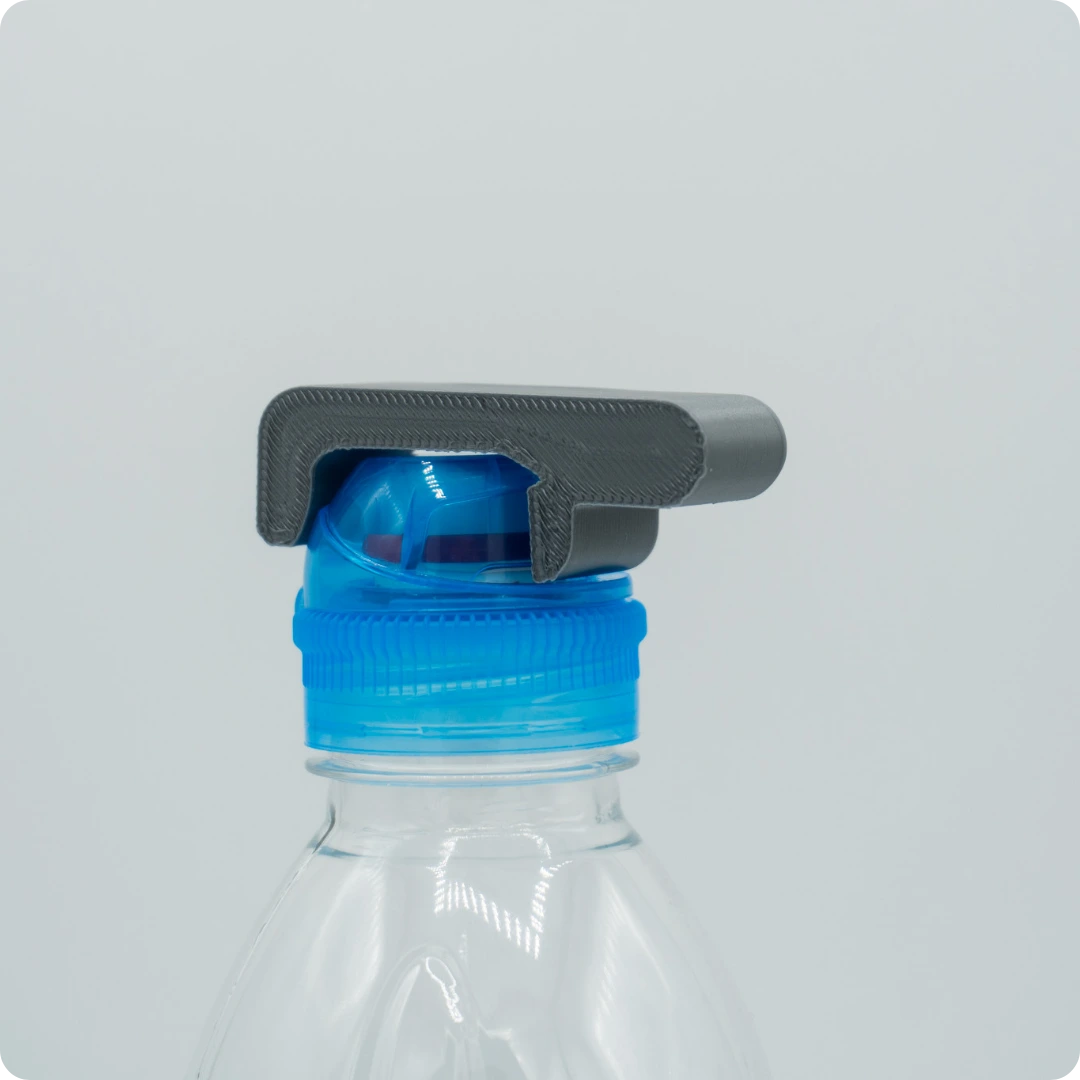
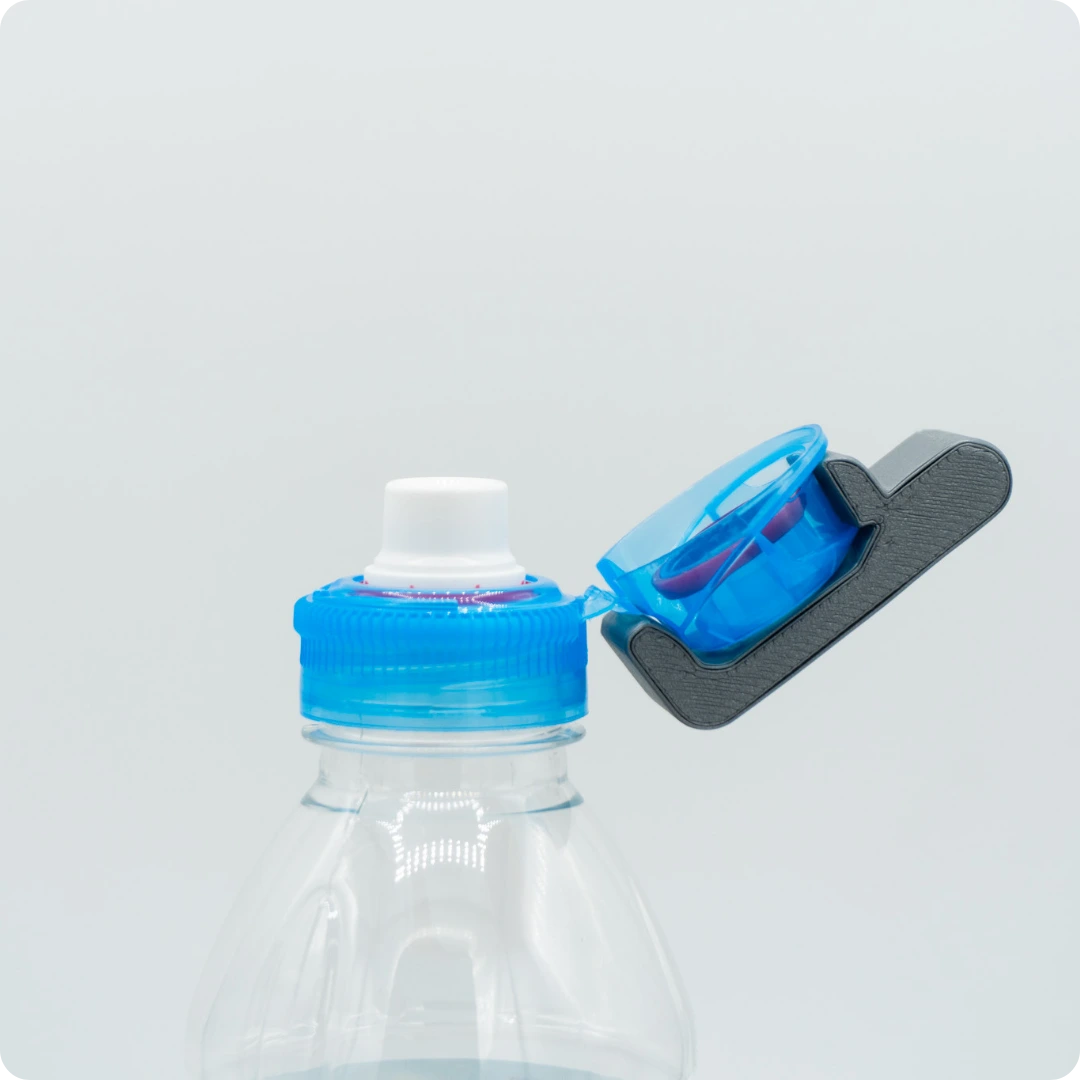
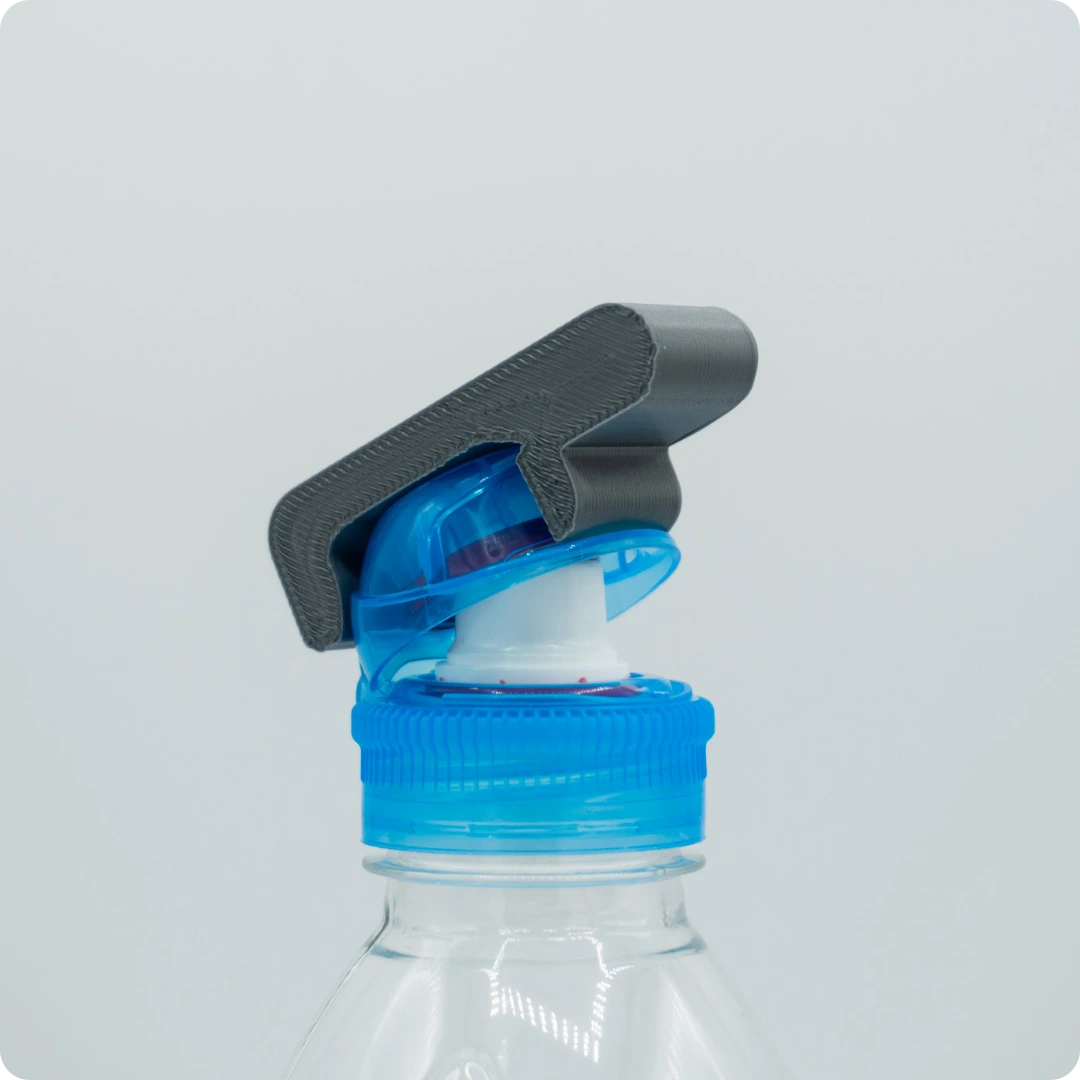
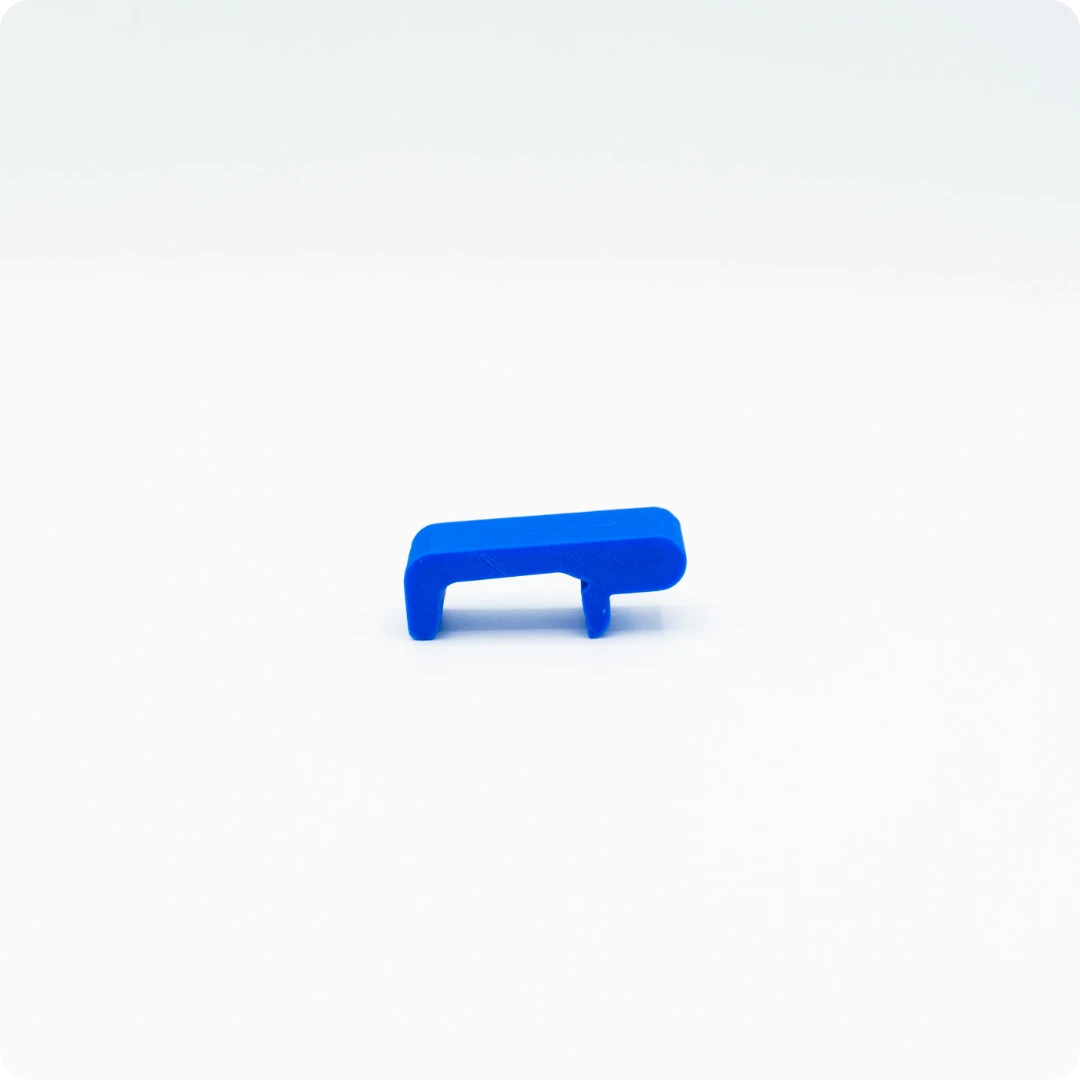
Agarre para botellas
What is it for?
Facilita la apertura y el cierre de botellas con tapón a presión.
How does it work?
El dispositivo se encaja en el tapón a presión de la botella. De esta manera la persona que lo utilice solo tiene que ejercer fuerza hacia arriba para abrir la botella.
Who can use it?
Personas con dificultad para sujetar objetos.
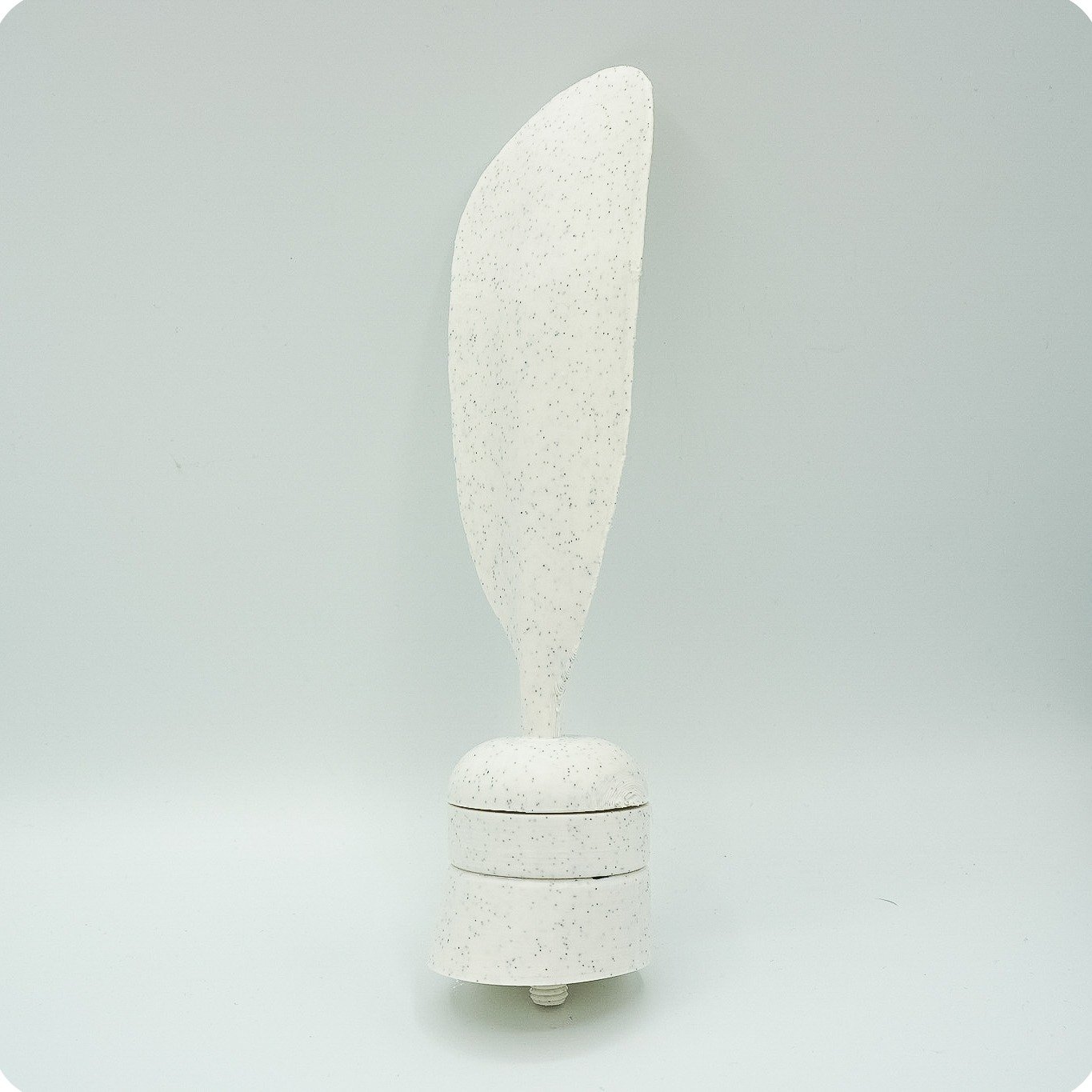
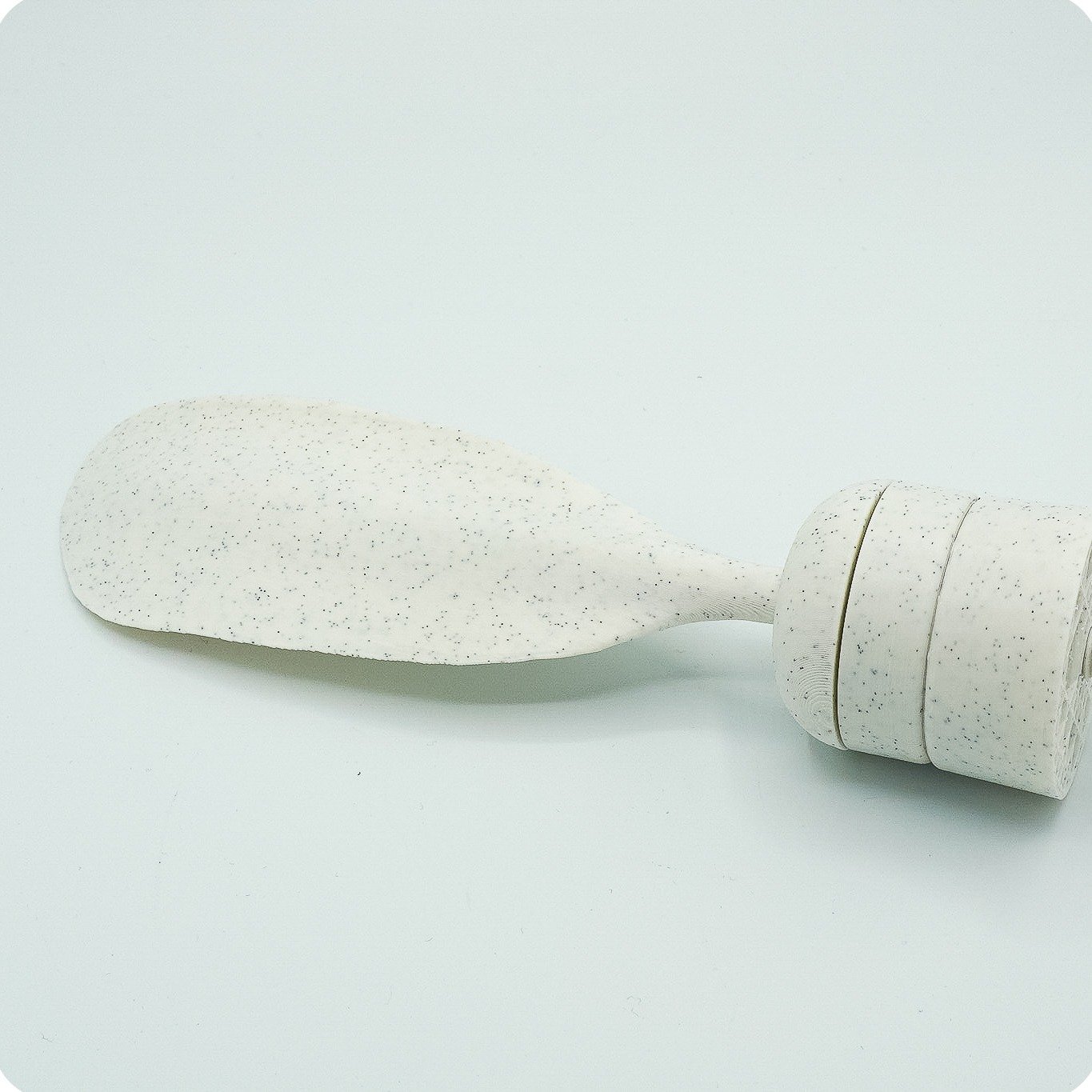
Swimming paddle
What is it for?
Swimming complement.
How does it work?
The arm is placed inside the device and the paddle helps propel it through the water.
Who can use it?
Persons with amputation/agenesis of the arm or hand.
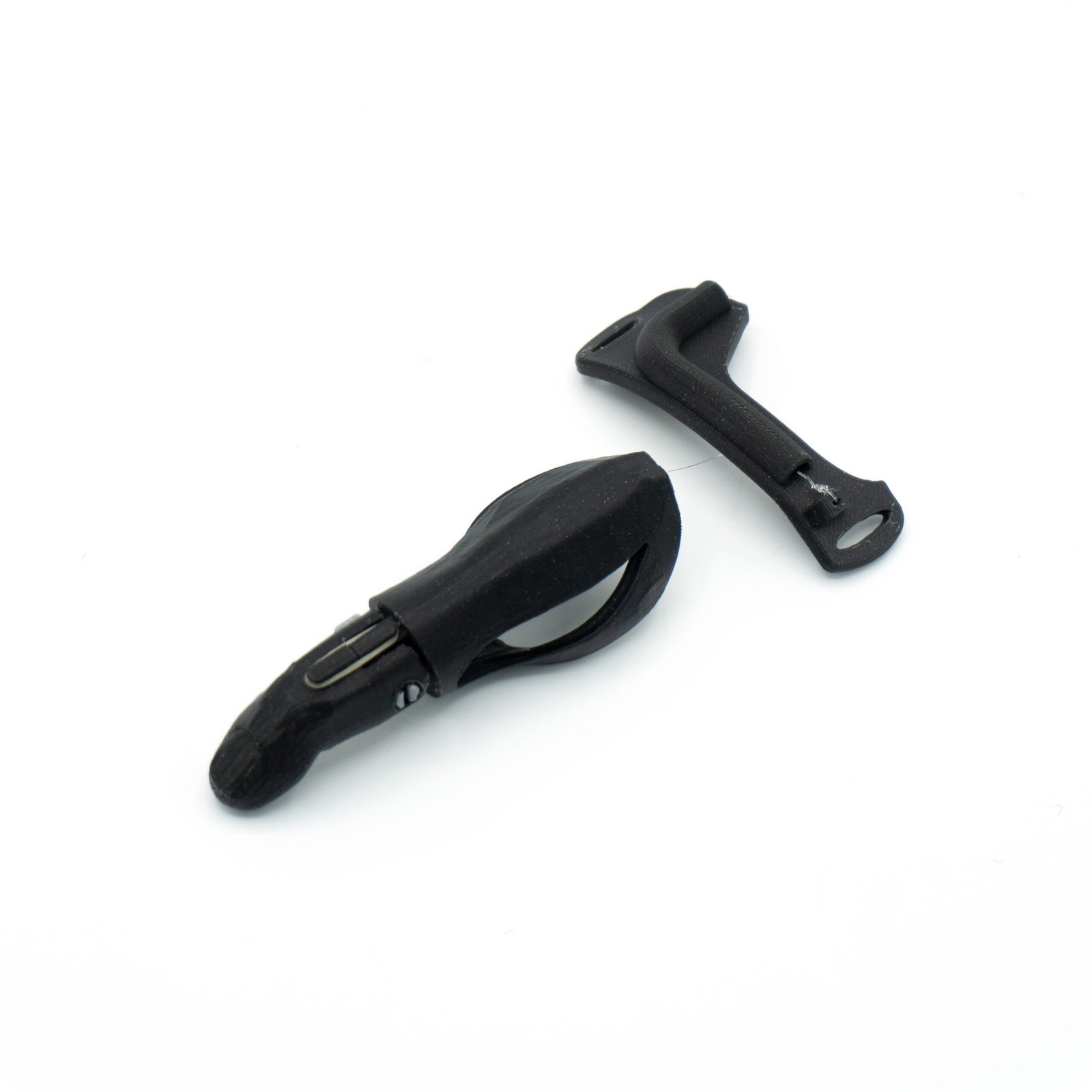
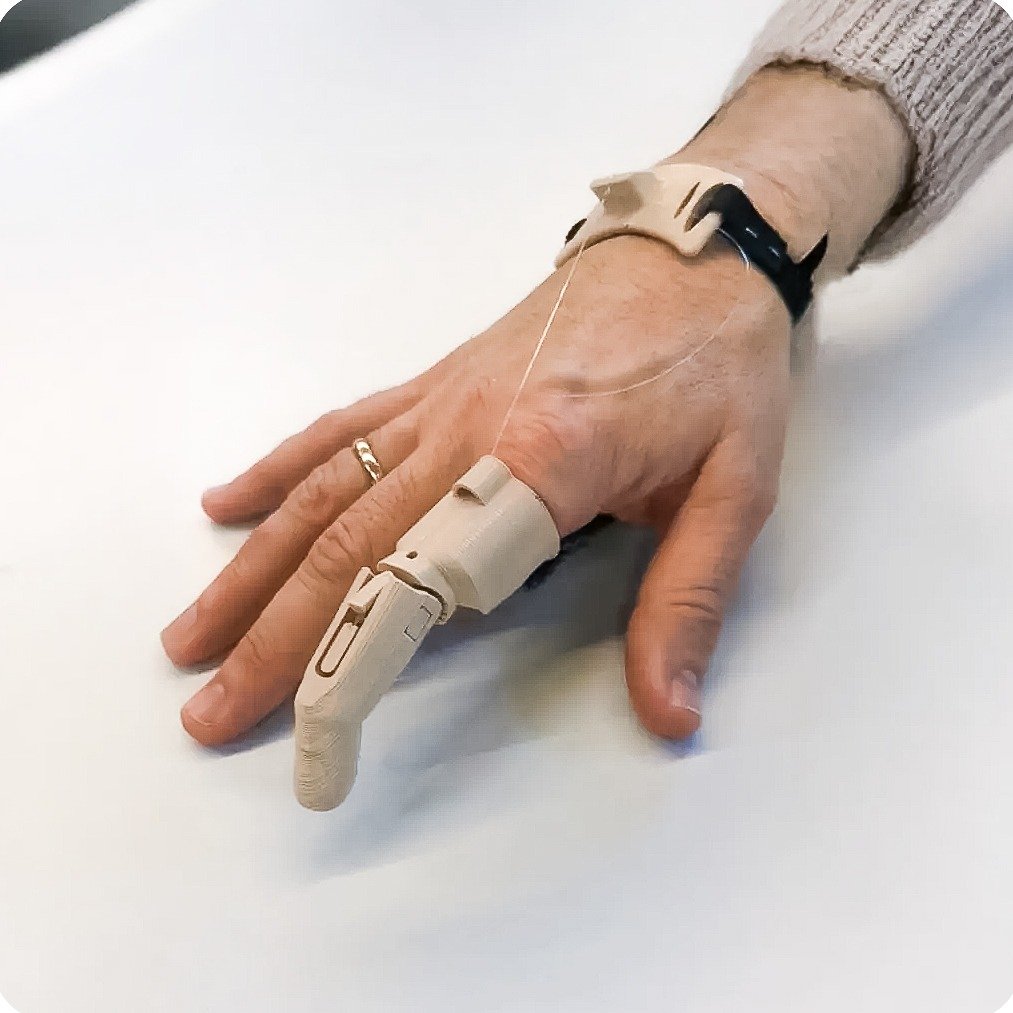
Finger Trésdesis
What is it for?
It is a prosthesis for an amputated finger.
How does it work?
The prosthesis is placed on the residual limb and the cuff is fastened to the wrist. When the person flexes the fingers of his hand, the Trésdesis also closes accompanying the movement. There is a model for fingers with 3 mobile phalanges and another one for thumb with only 2.
Who can use it?
People with amputations of distal and medial phalanges of fingers or thumb.
Tablet key separator
What is it for?
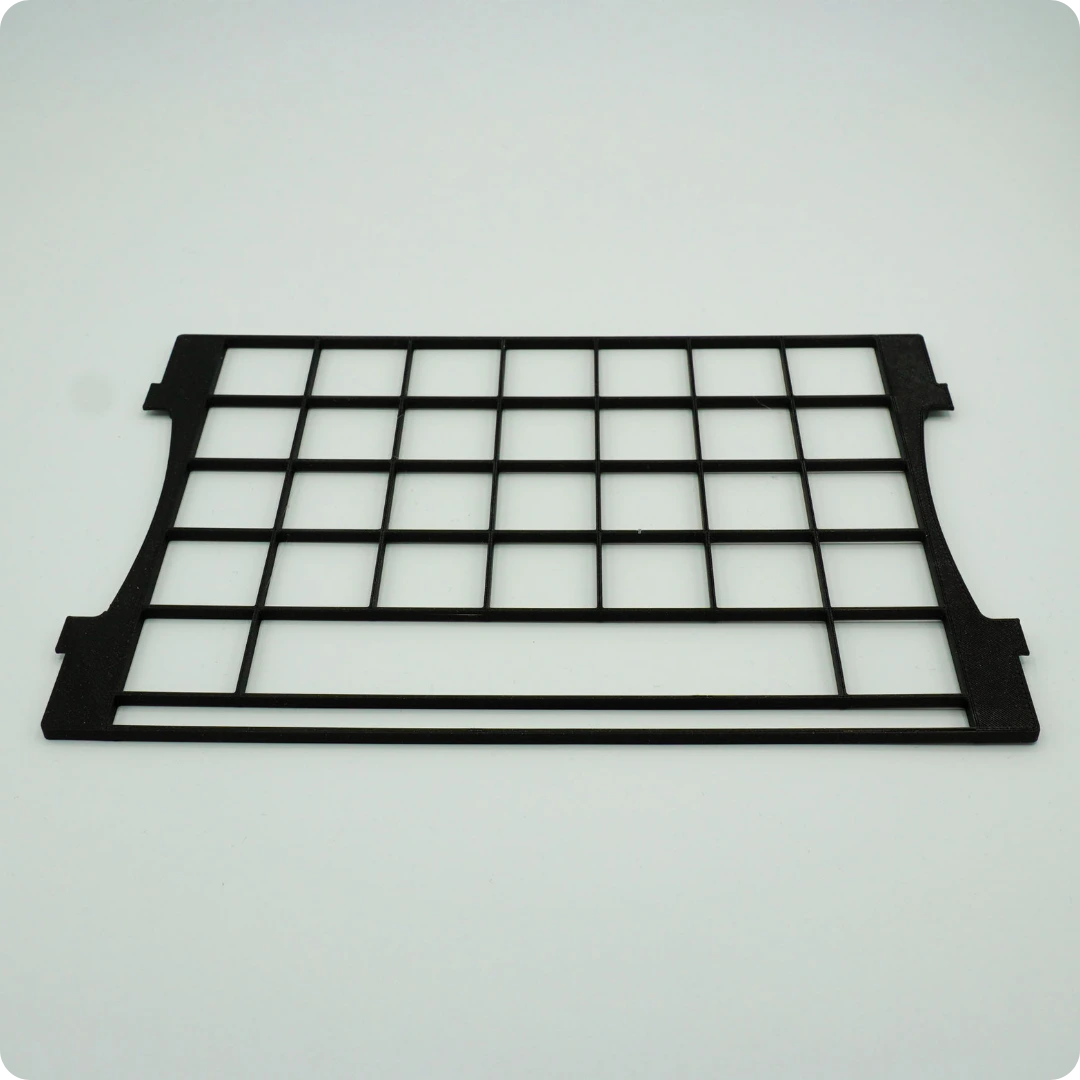
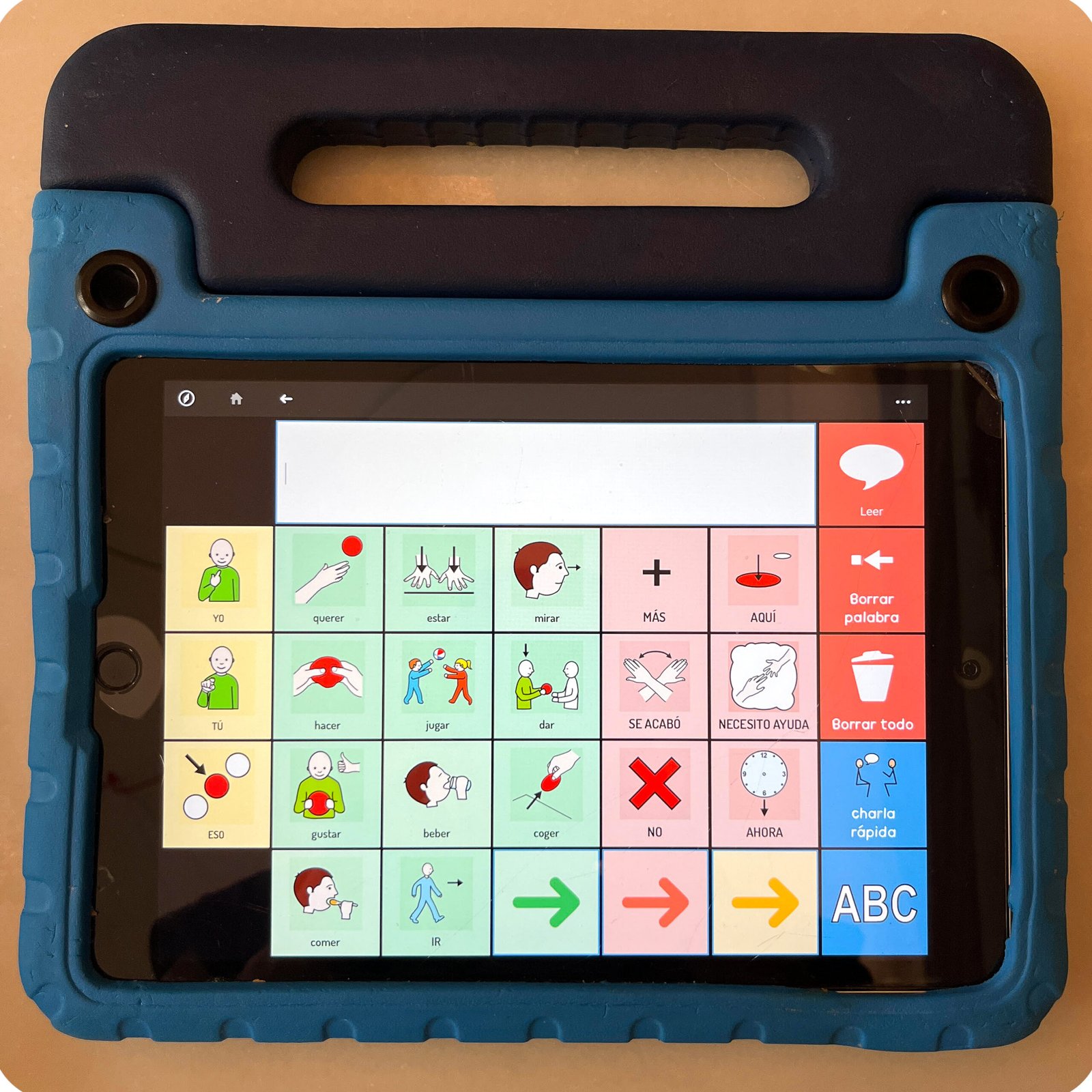
Creates a physical separation between the "keys" of a tablet communication application, preventing the wrong key from being pressed when dragging the hand across the screen.
How does it work?
It is placed on the tablet screen, wedged between the edges of the rubber casing, matching the edges of the app boxes with the grid of the separator, thus creating individual keys.
Who can use it?
People with motor and communication difficulties.
Belt locking device
What is it for?
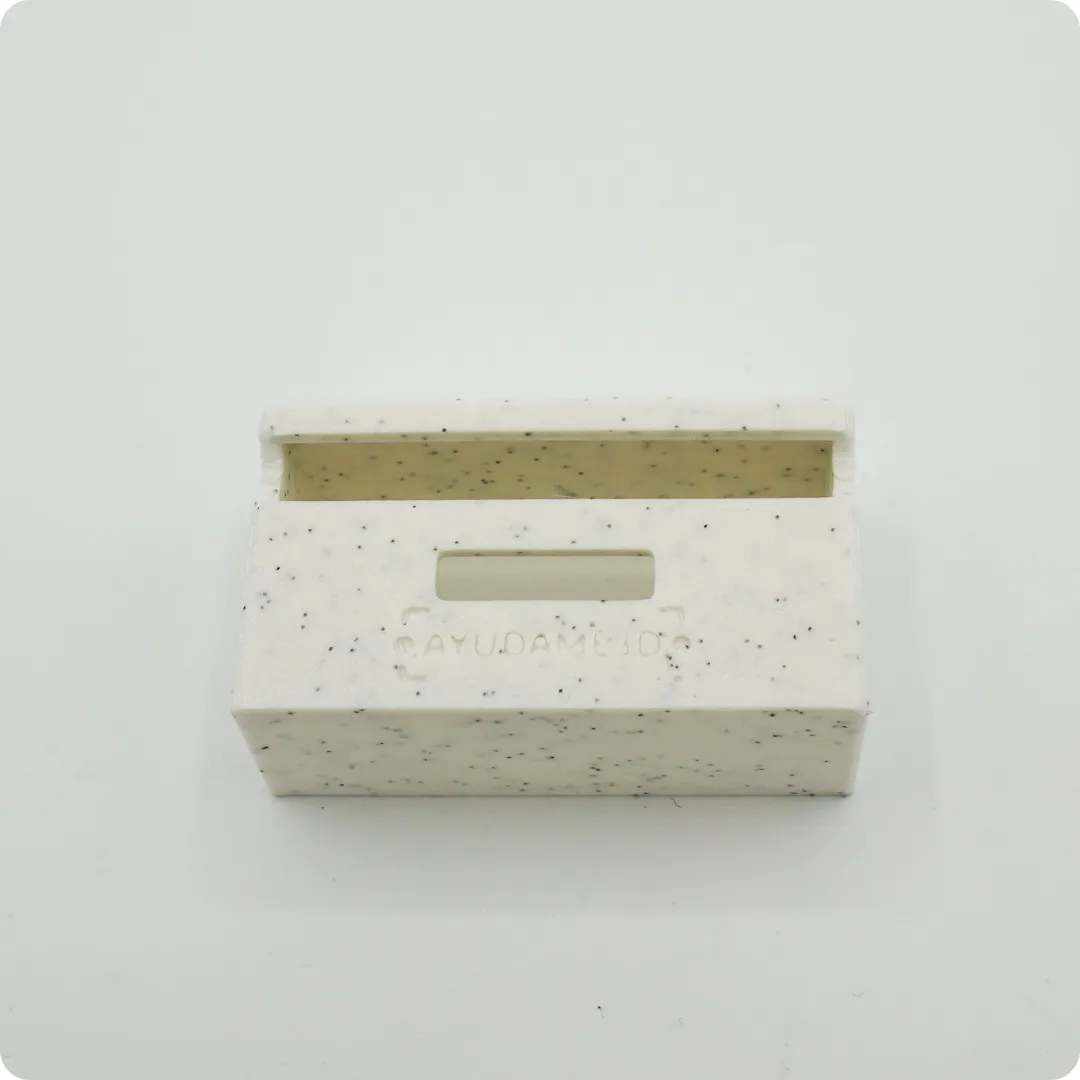
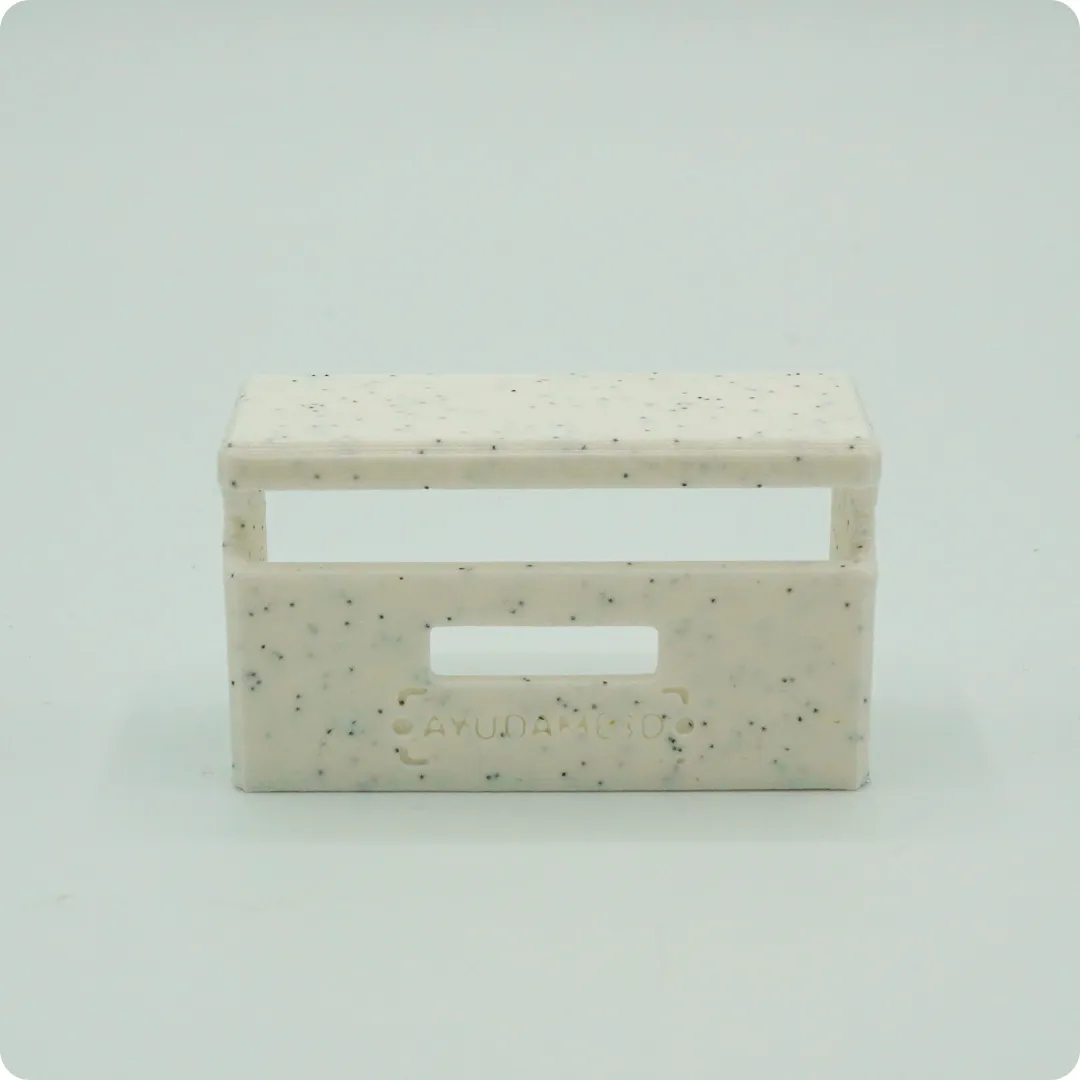
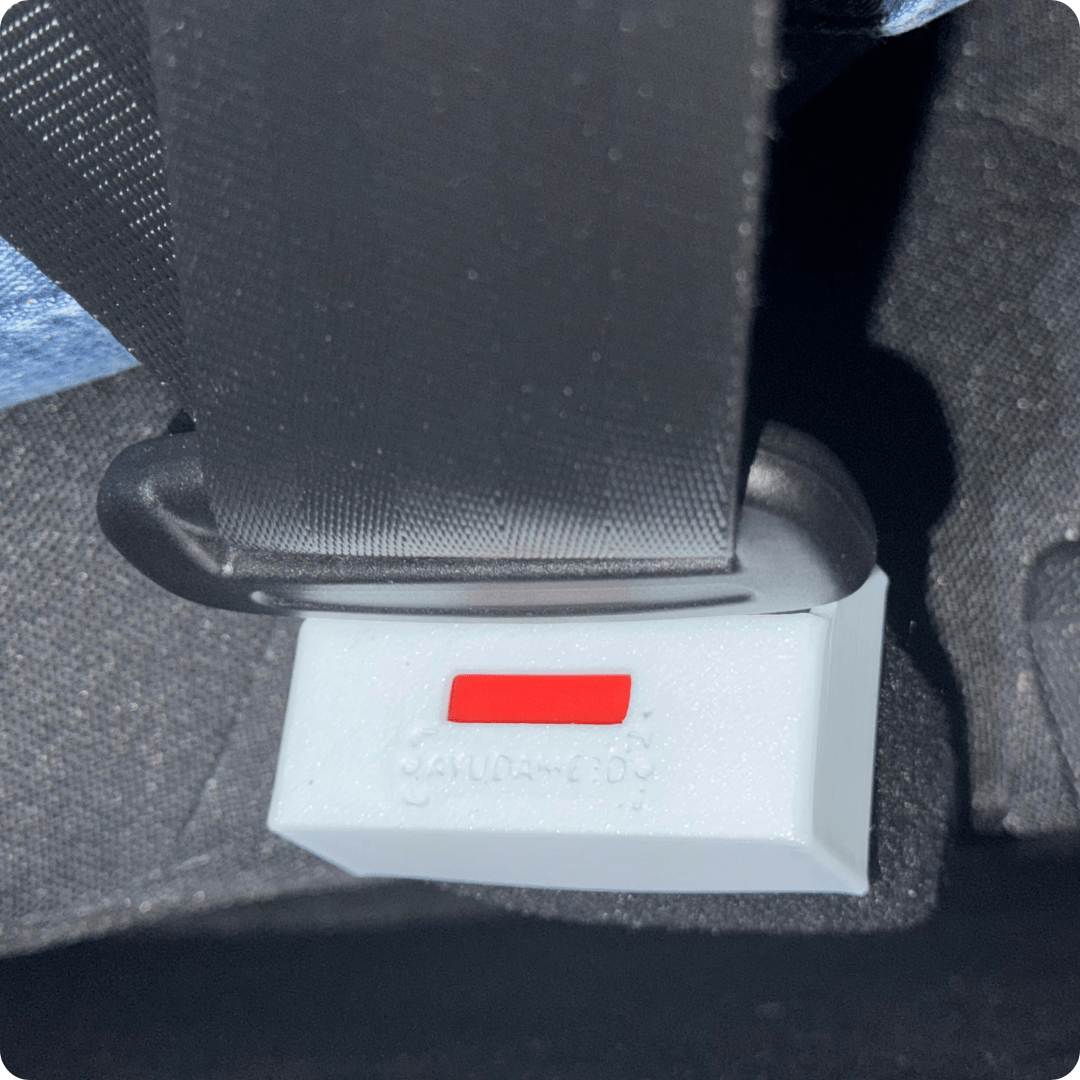
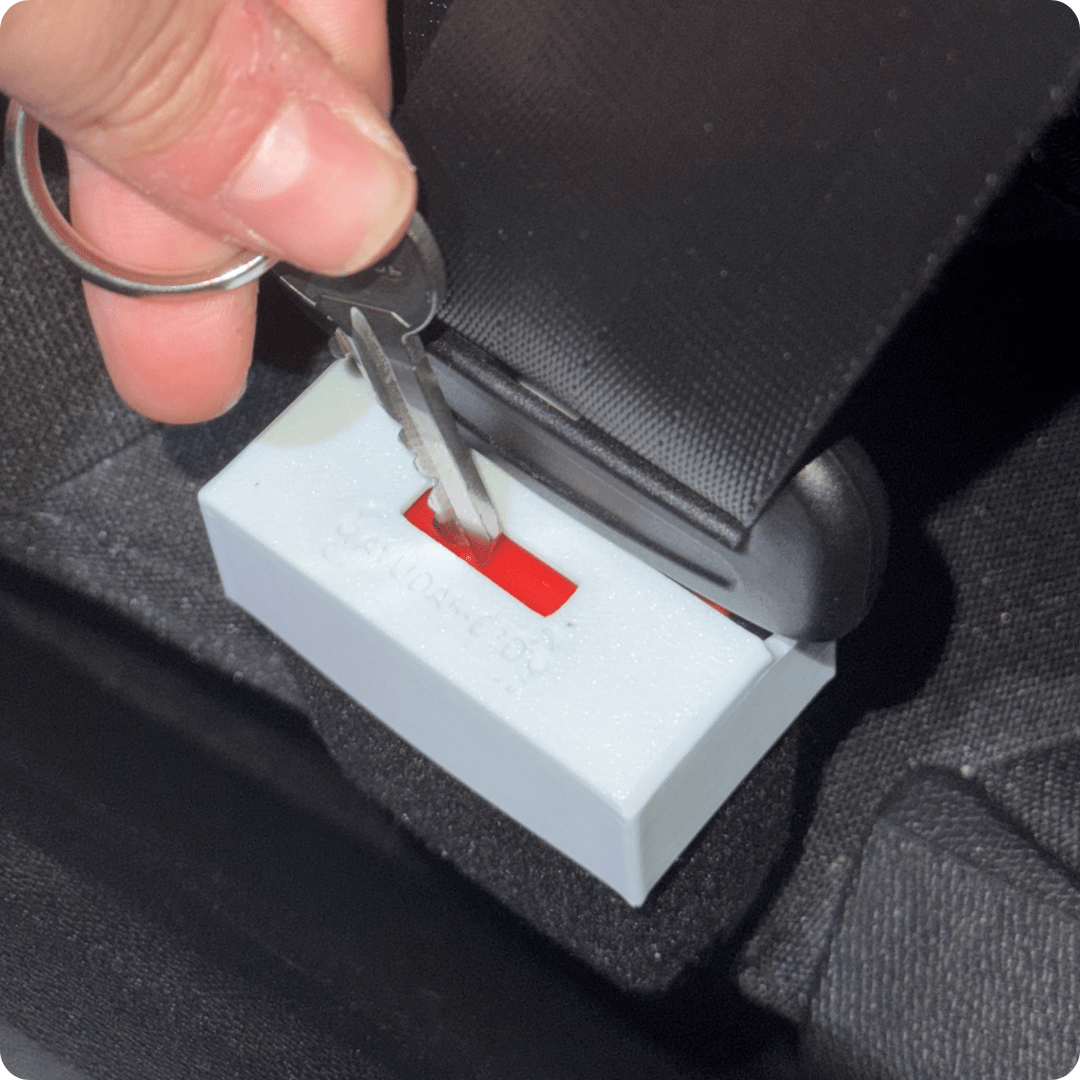
Prevents unbuckling a car seat belt with your finger.
How does it work?
It is placed over the belt receiver covering the button. The belt can be fastened normally, but to unfasten it, a small object (e.g. a key) must be inserted through the slot in the locking device.
Who can use it?
People at risk of unbuckling their seat belts while the car is in motion.
Shoulder pad
What is it for?
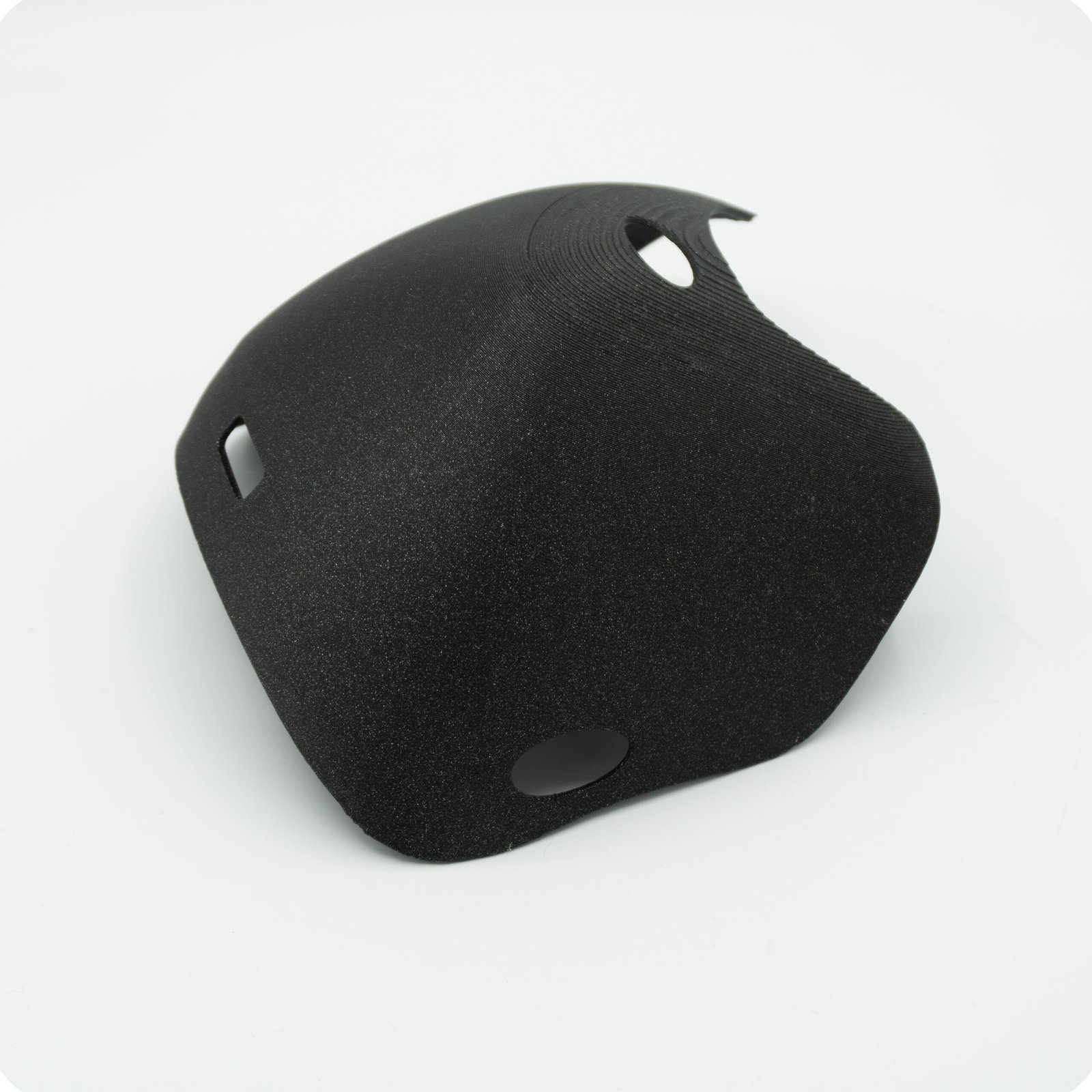
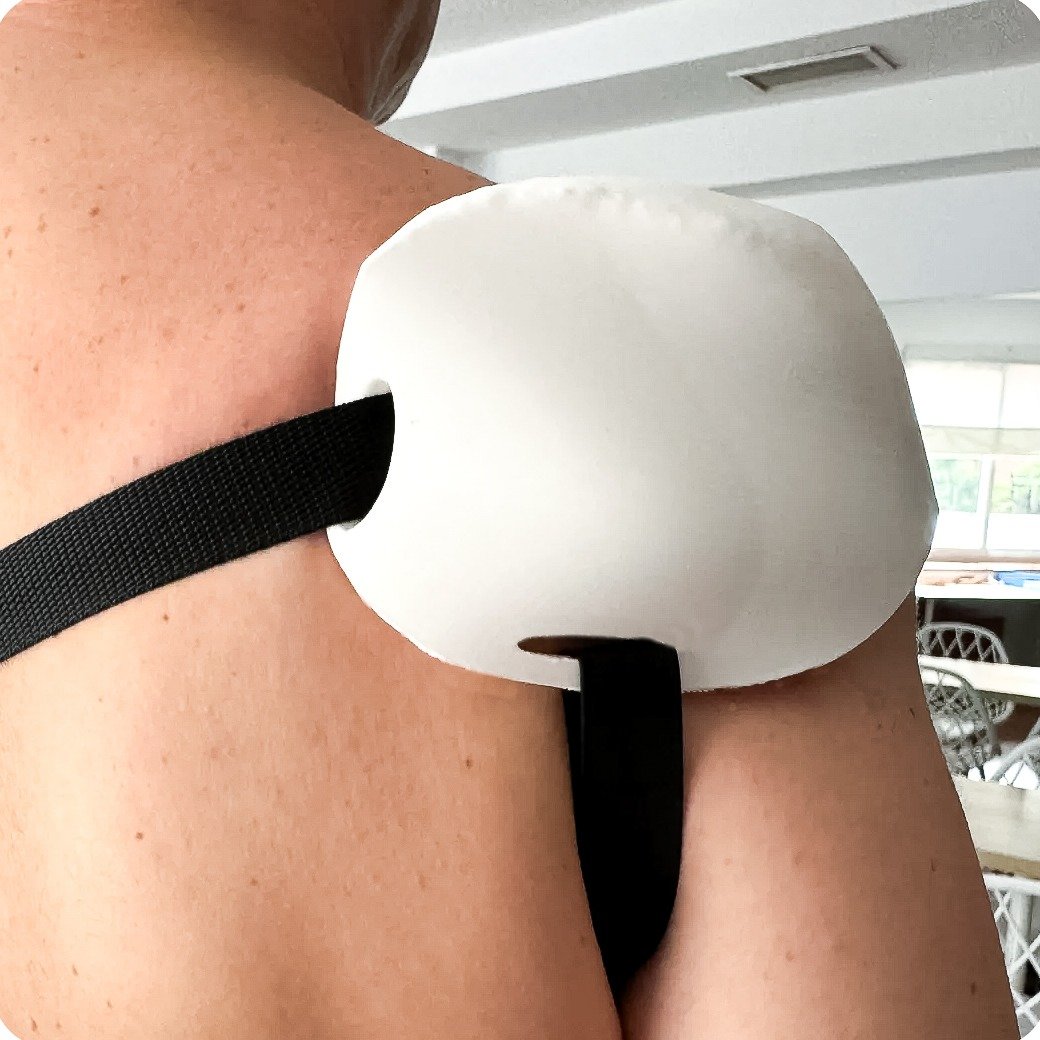
Completes the shape of the shoulder after loss of muscle mass, restoring the symmetrical silhouette of the bust.
How does it work?
It is placed over the affected shoulder, under the clothing, and fastened with adjustable straps.
Who can use it?
People with loss of muscle mass or shoulder deformity.
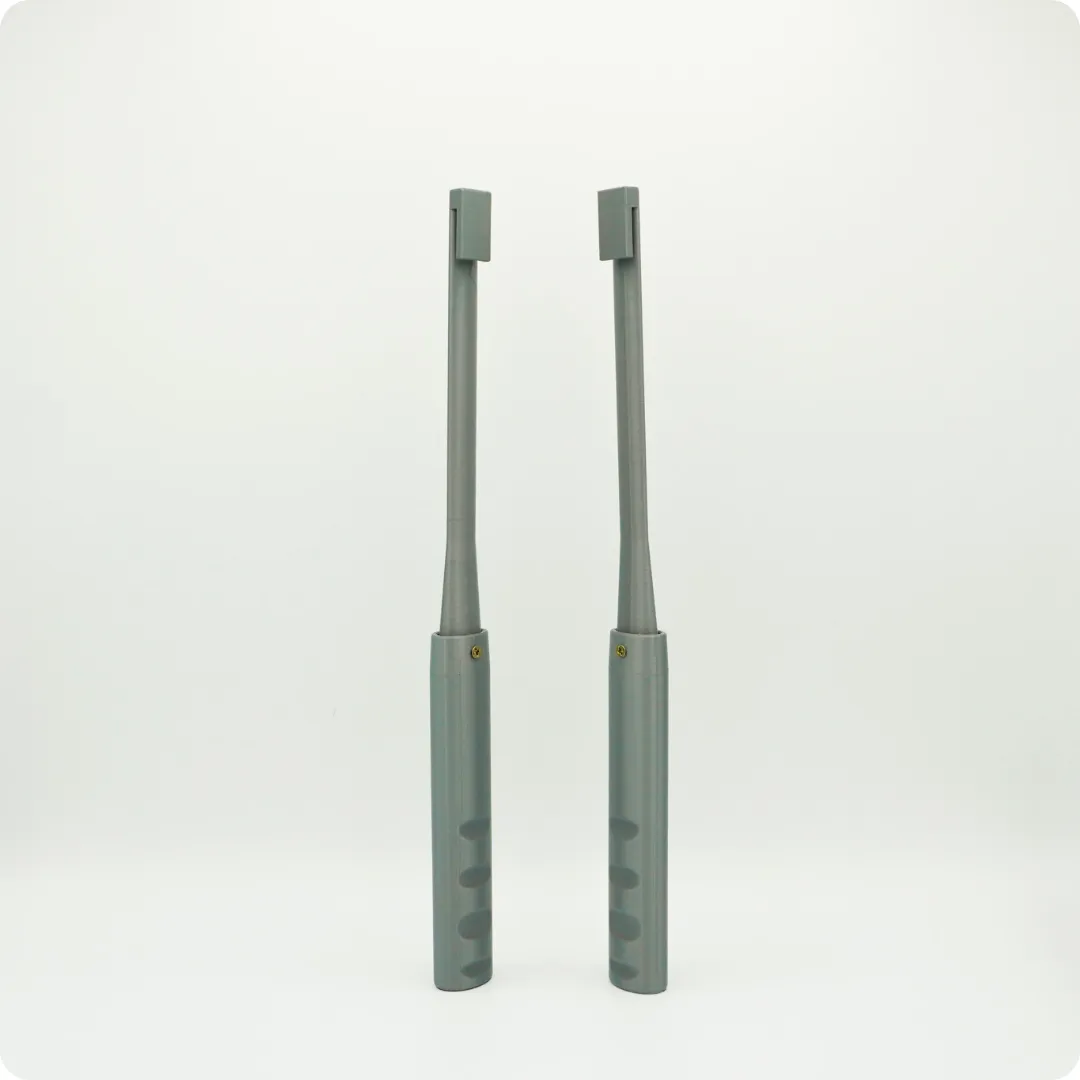
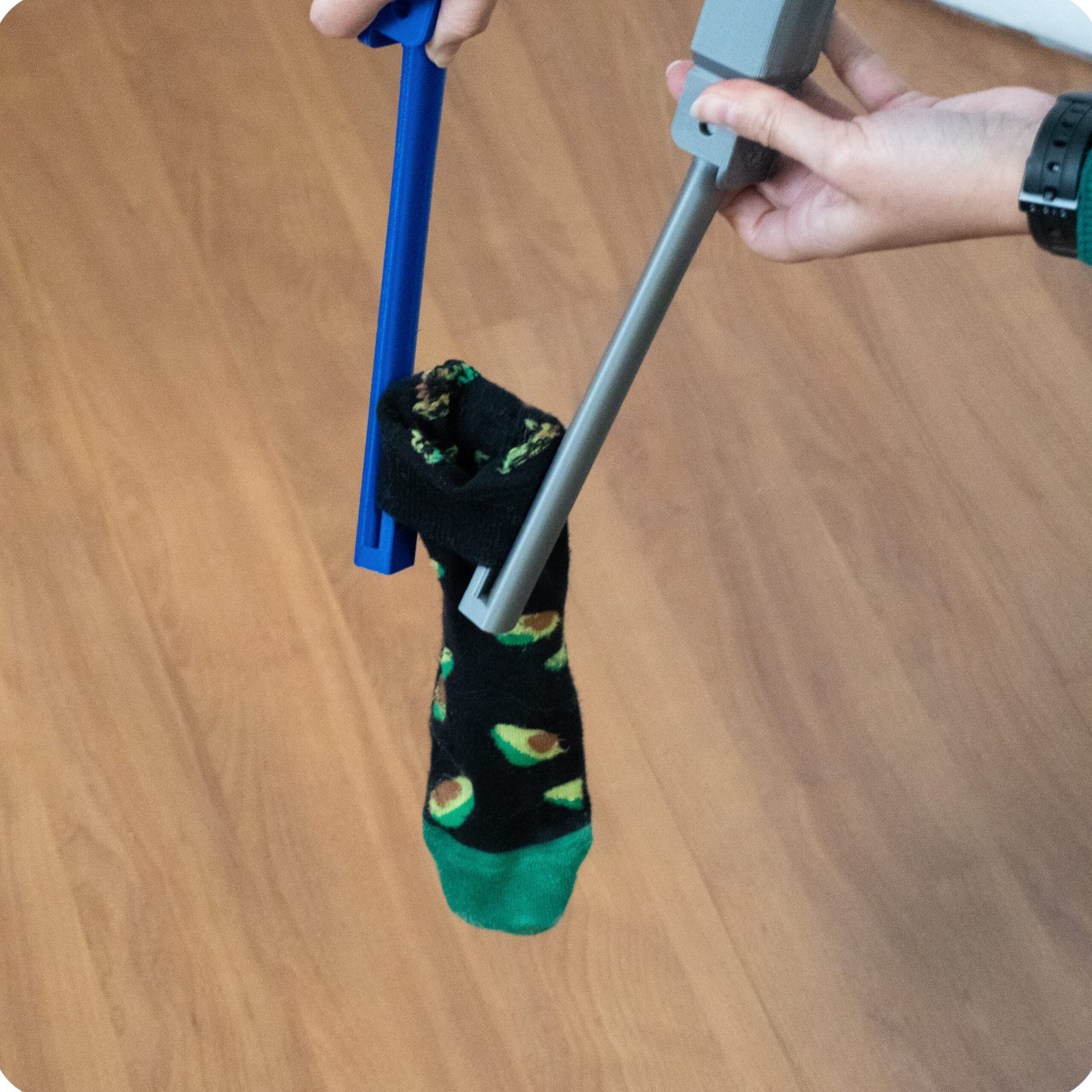
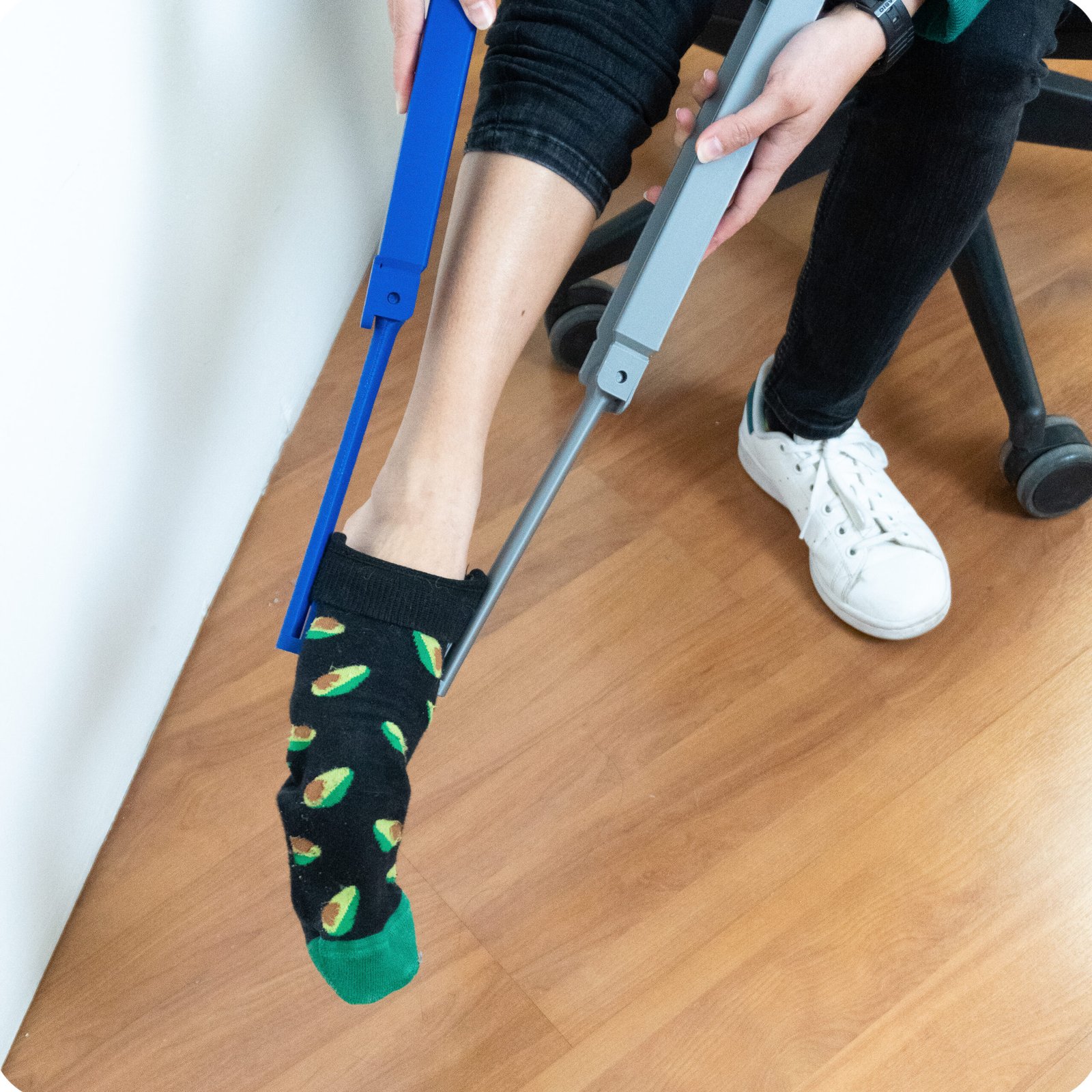
Help to put on socks
What is it for?
Helps to put on and pull up the socks, without the need for third party assistance.
How does it work?
The sock is held between the hooks of the devices, which are placed one on each side of the ankle. The toe of the foot is inserted into the sock and pulled from the handle so that the foot slides into the sock.
Who can use it?
People with difficulty bending their knees.
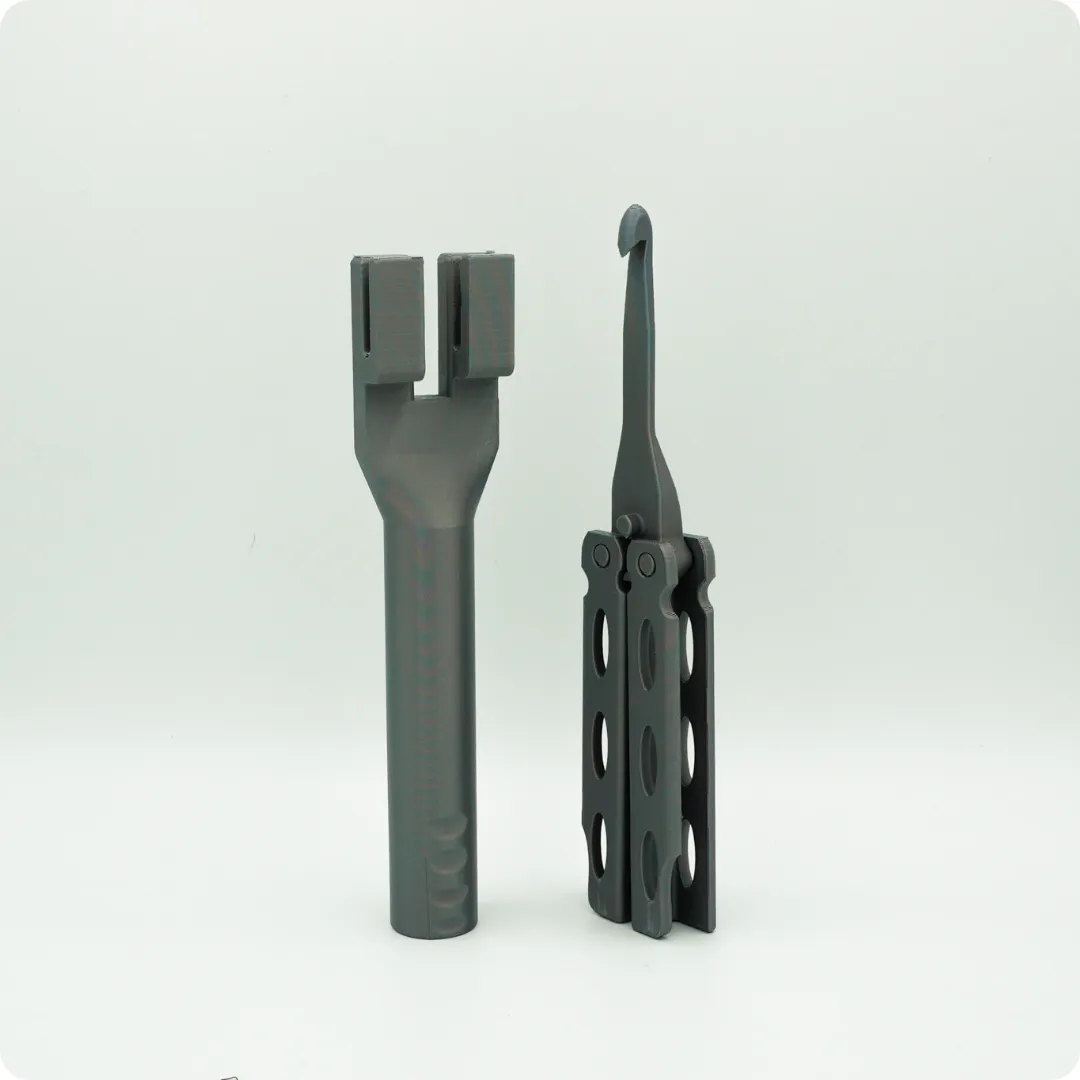
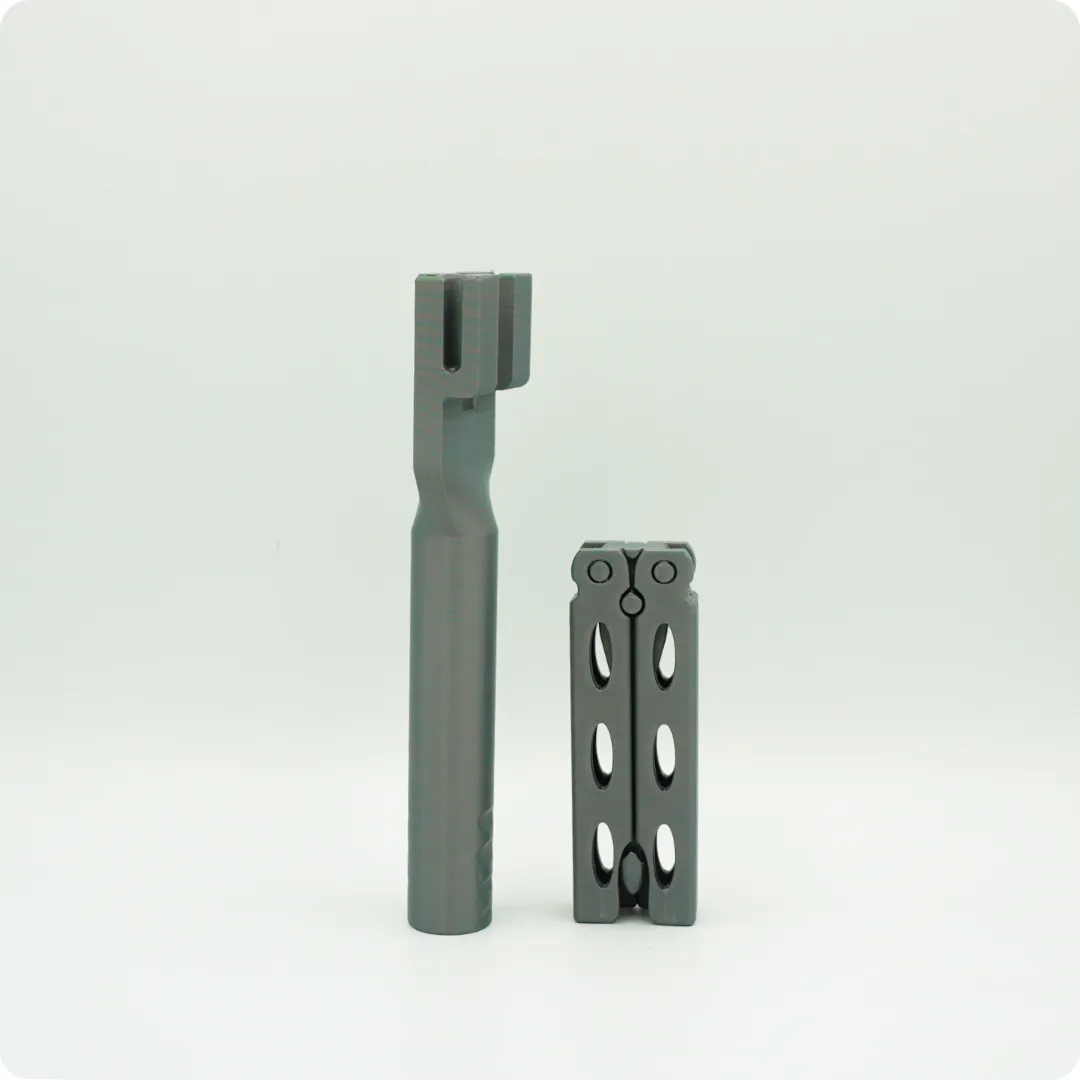
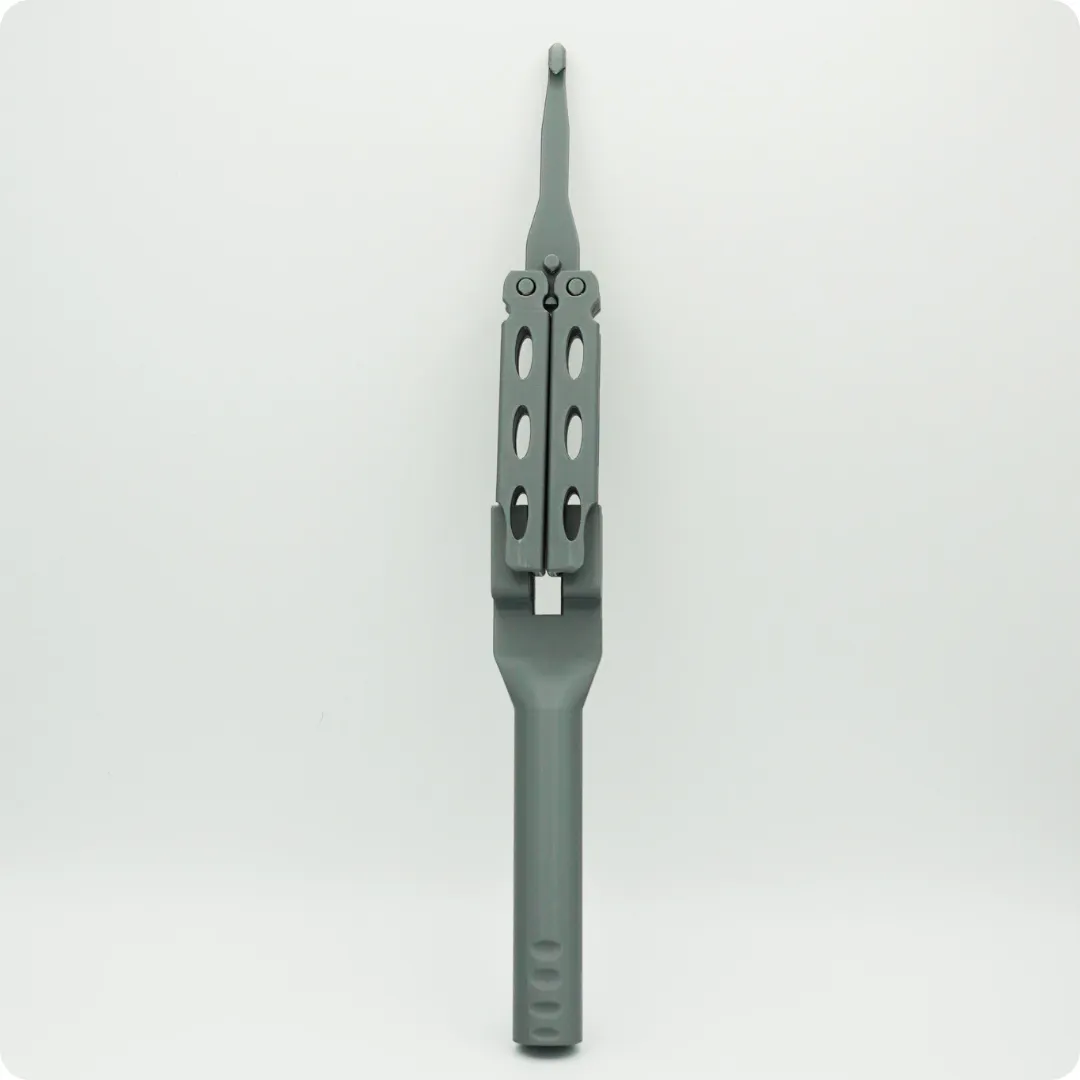
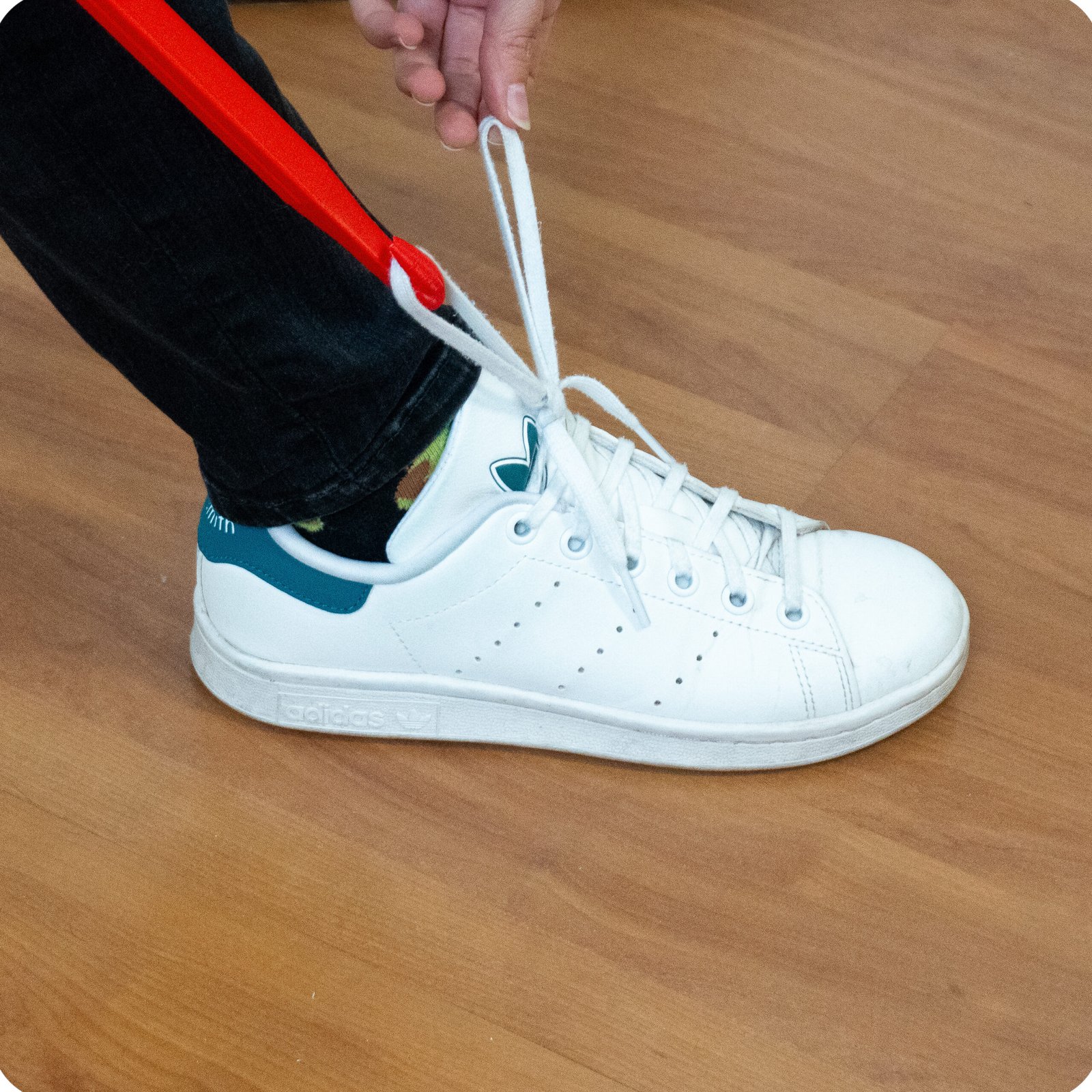
Assistance in tying shoelaces
What is it for?
It helps to pull the lacing of the shoelaces to tighten the knot.
How does it work?
The loop of the cord is hooked to the device and pulled up to tighten the knot. Its parts can be easily disassembled and folded for transport.
Who can use it?
People with difficulty bending their knees.
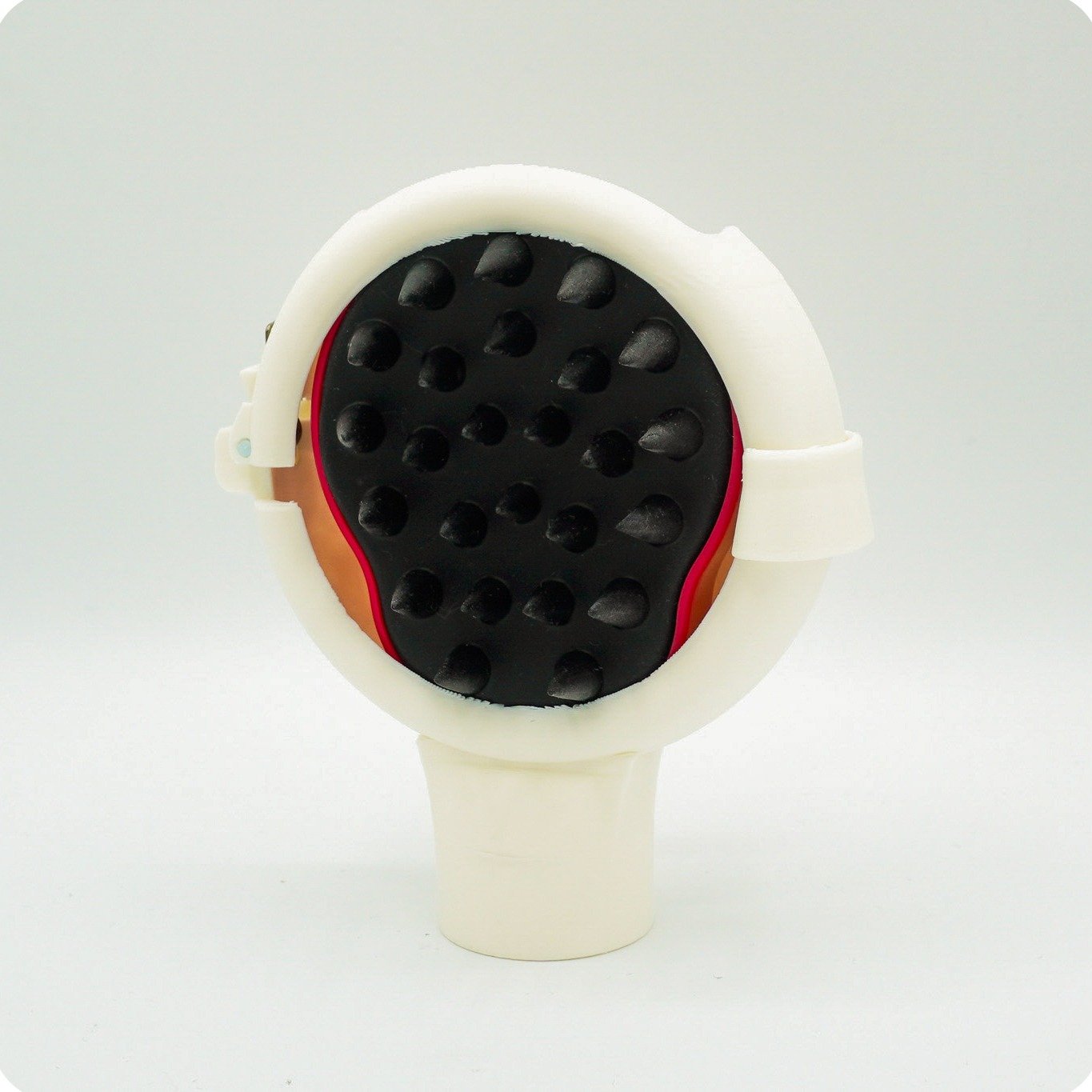
Shower prosthesis
What is it for?
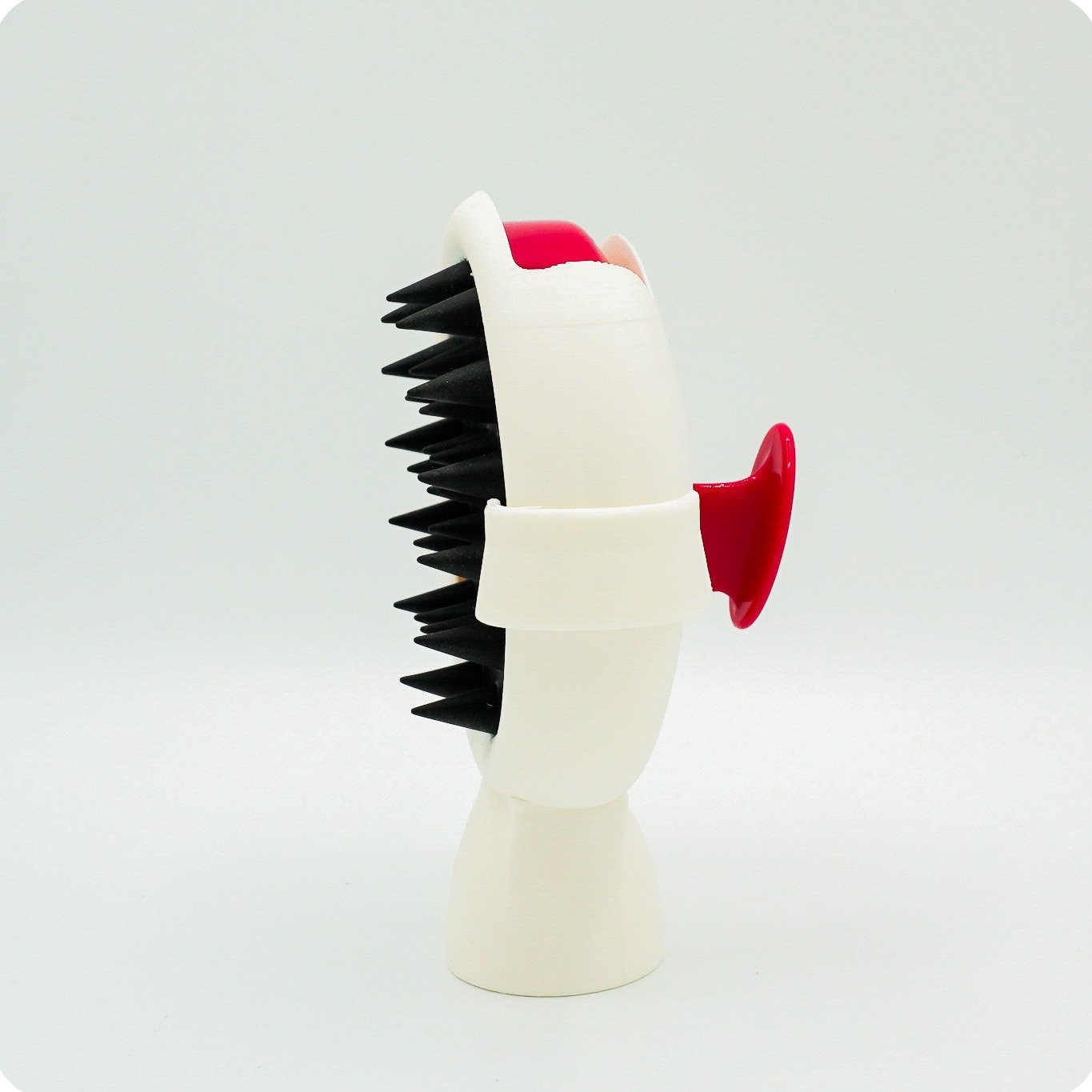
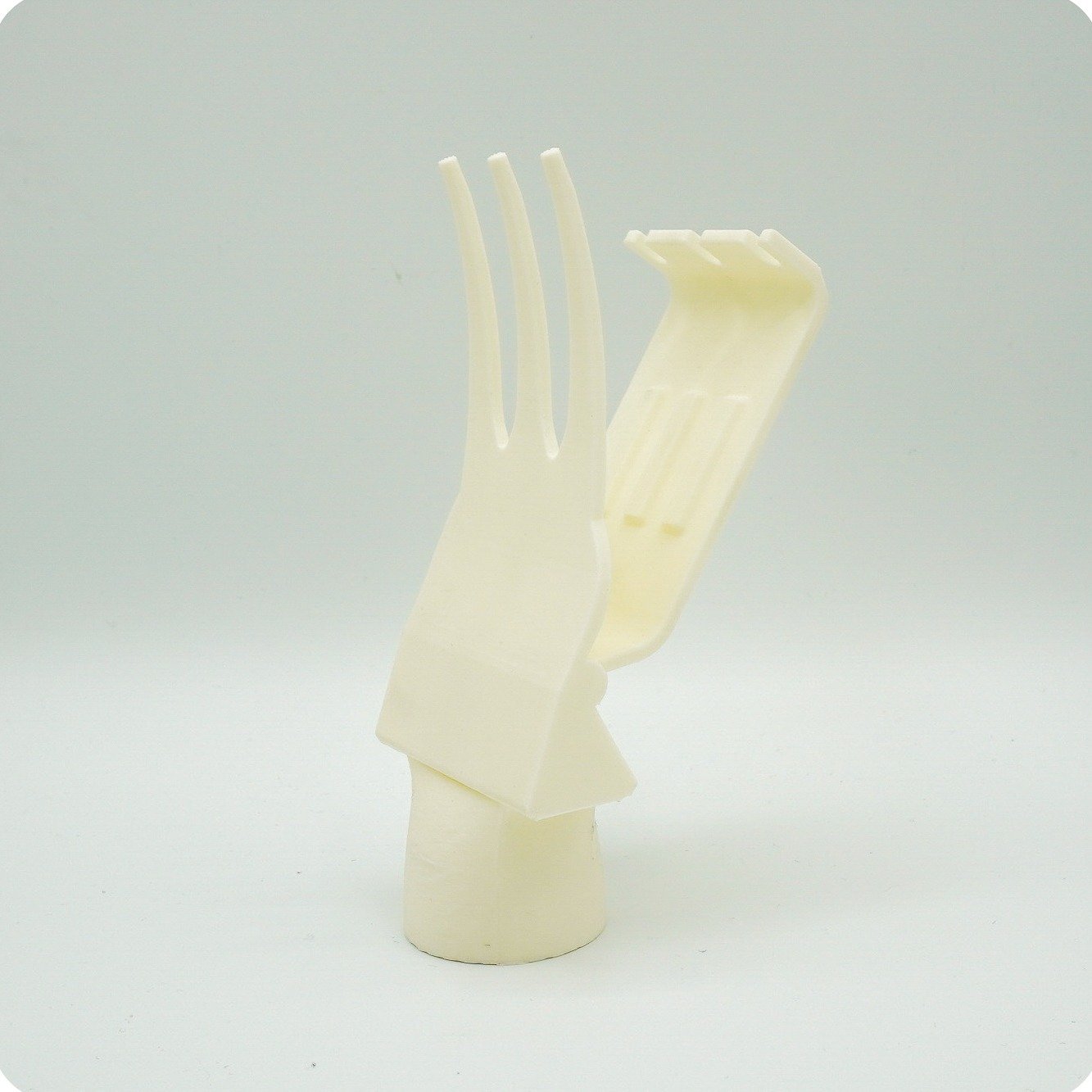
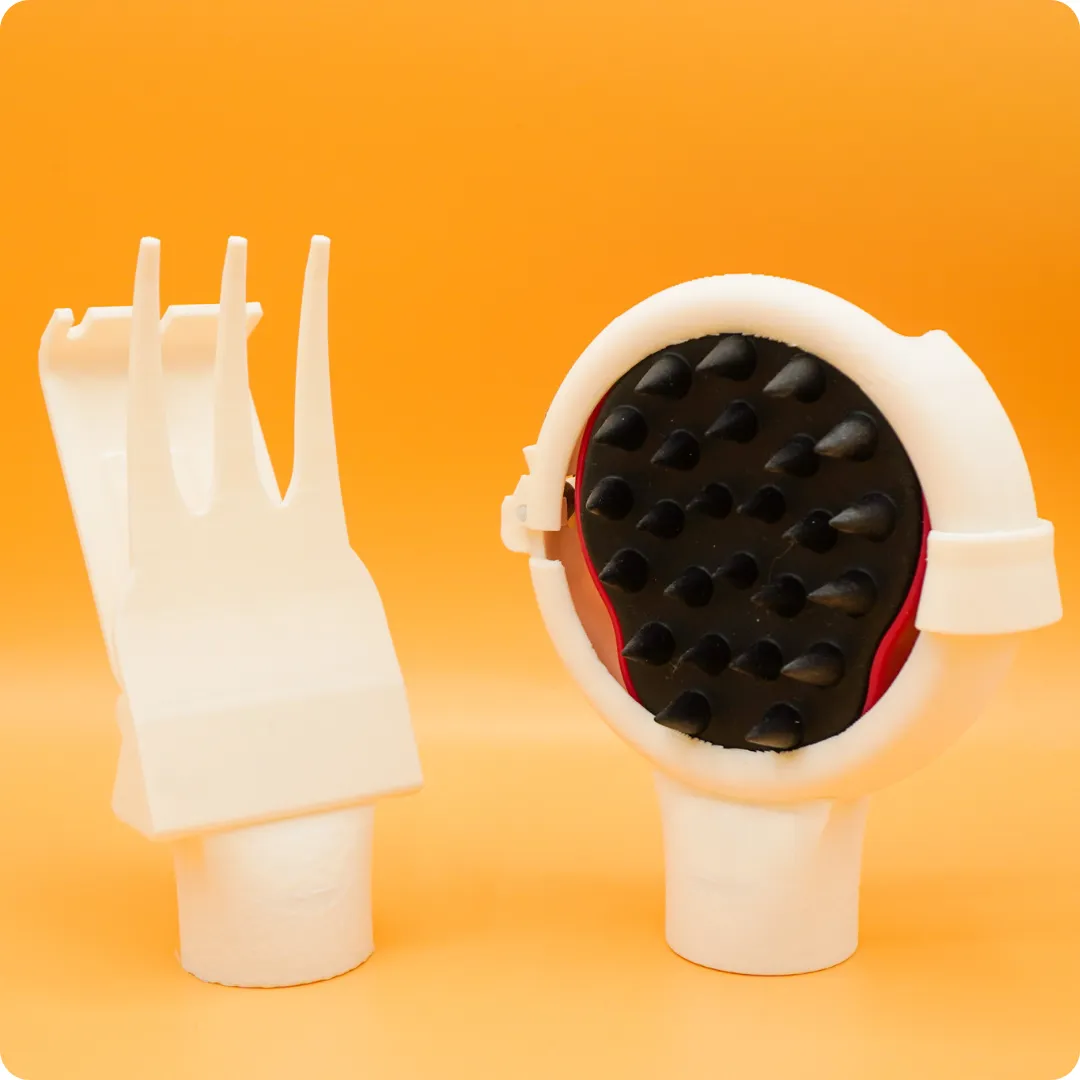
These are two aids for holding a sponge and a scalp brush.
How does it work?
The arm is placed inside the socket and with the heads the person can lather with the sponge and/or wash his/her hair with the brush. It can be used at the same time, in case of double amputation, or separately.
Who can use it?
Persons with amputation or agenesis of the arm or hand.
Yoga prosthesis
What is it for?
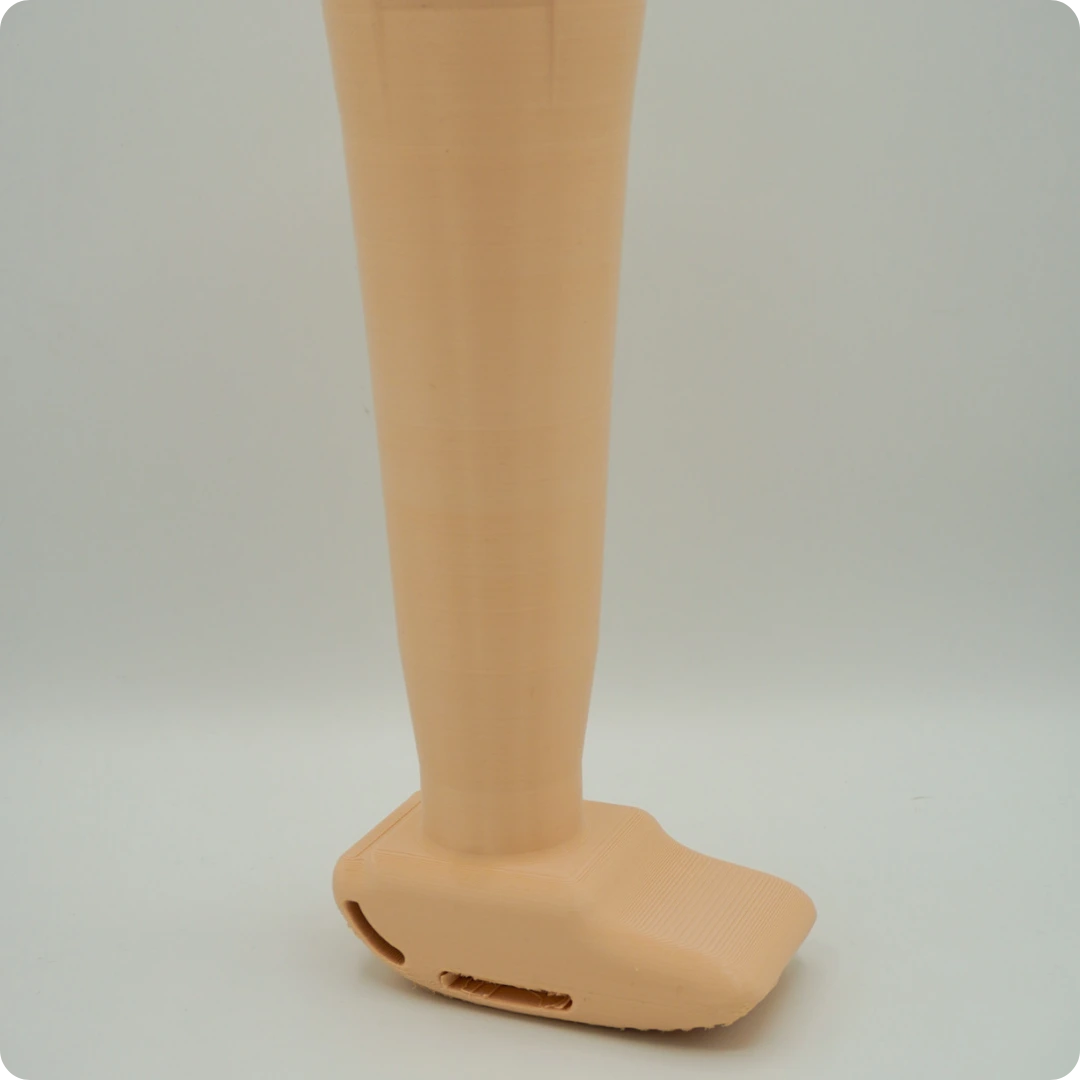
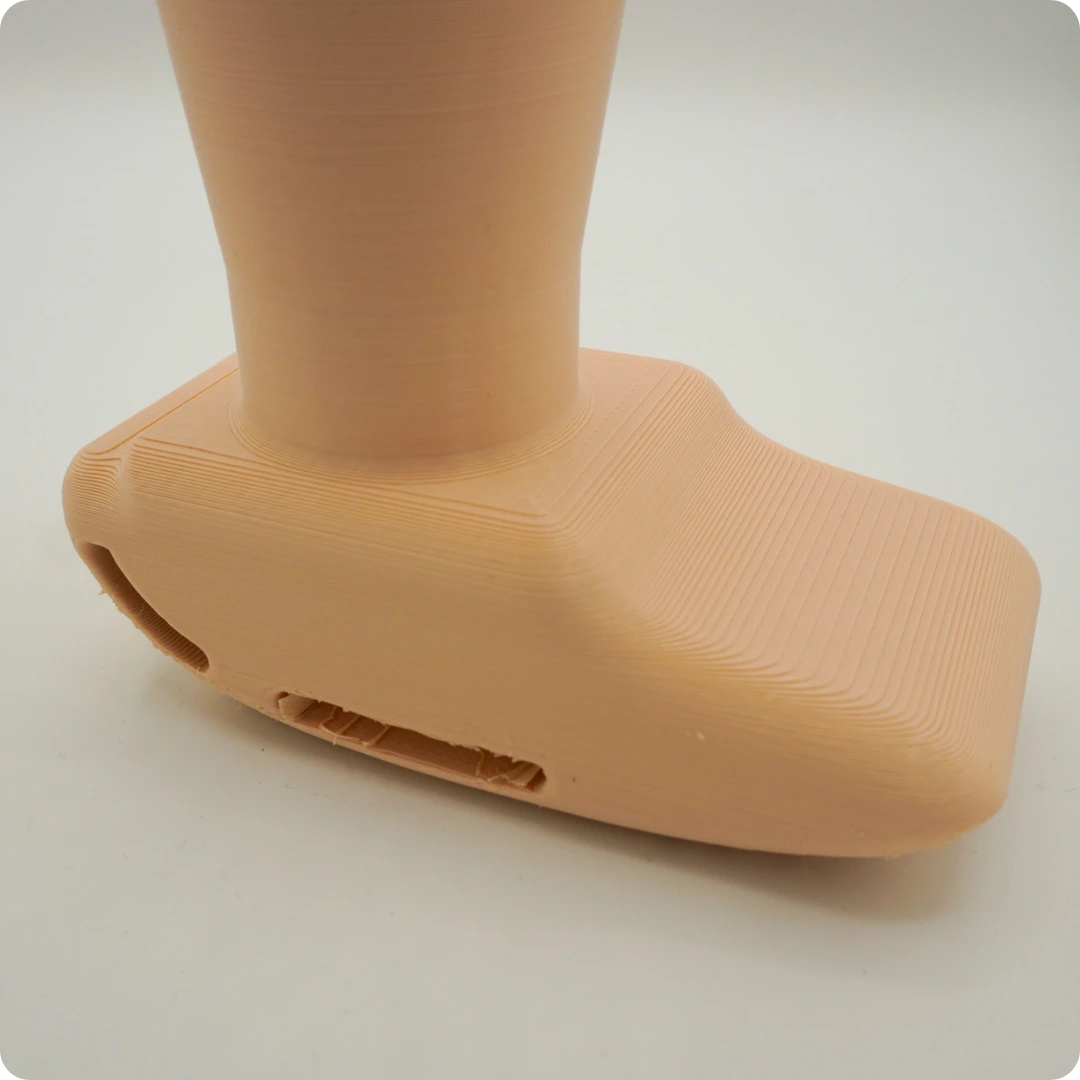
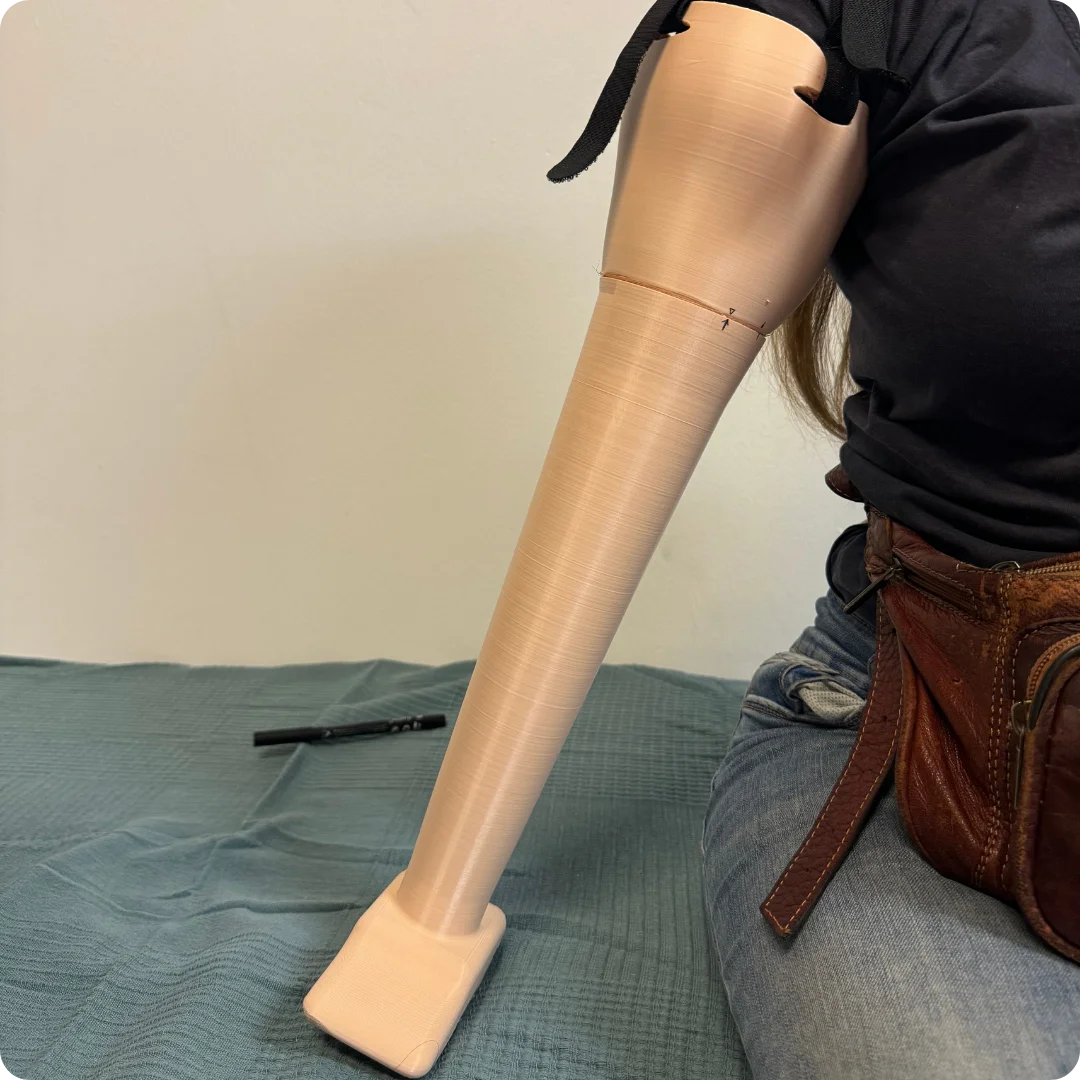
Complement to support yourself on the floor and perform the different yoga postures.
How does it work?
The arm is placed inside the socket and the heads allow to rest on the floor. These heads are interchangeable and have different sizes to facilitate the realization of exercises on the floor, either with the arms stretched to support the hands or with the arms bent to support the elbows.
Who can use it?
Persons with amputation or agenesis of the arm or hand.
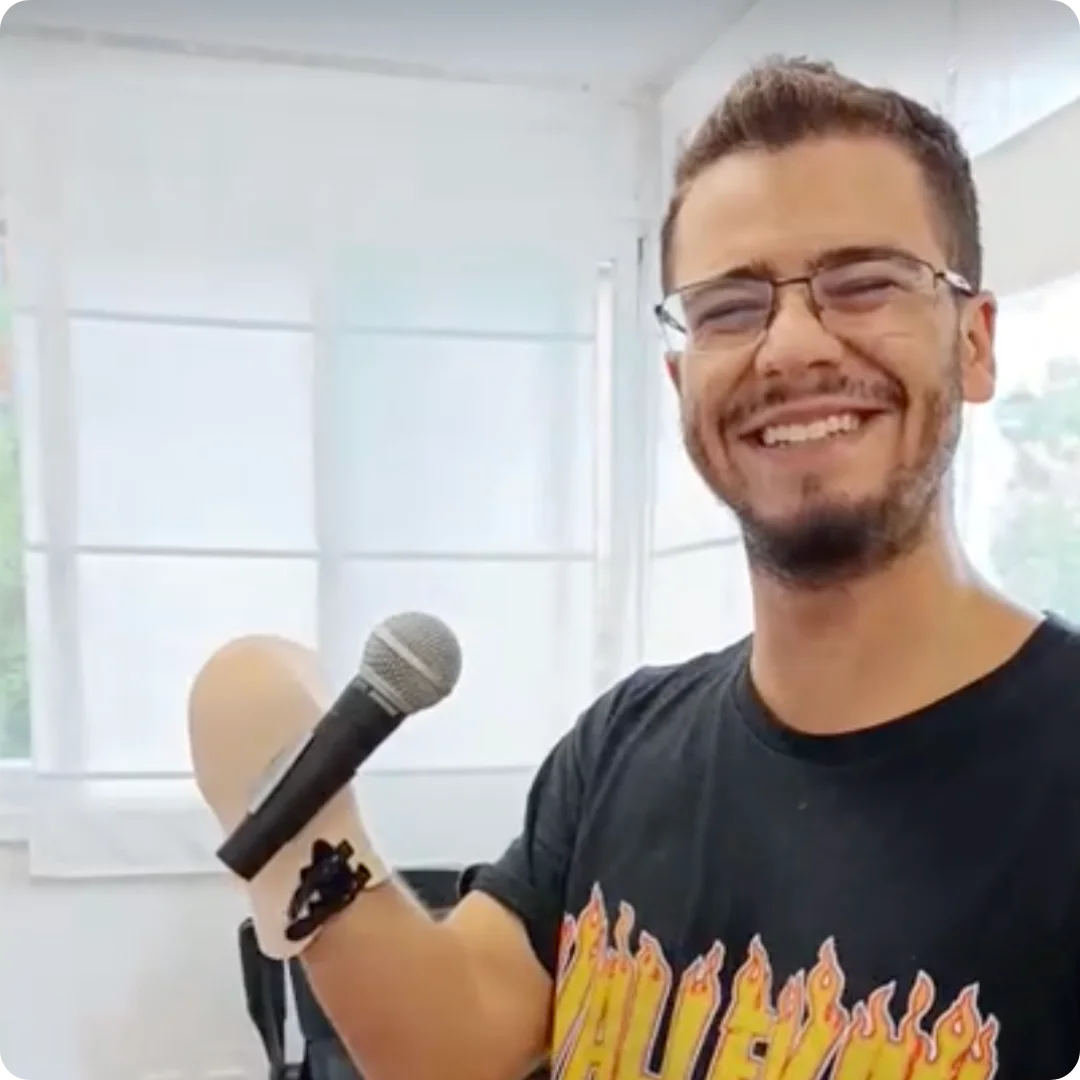
Music prostheses
What is it for?
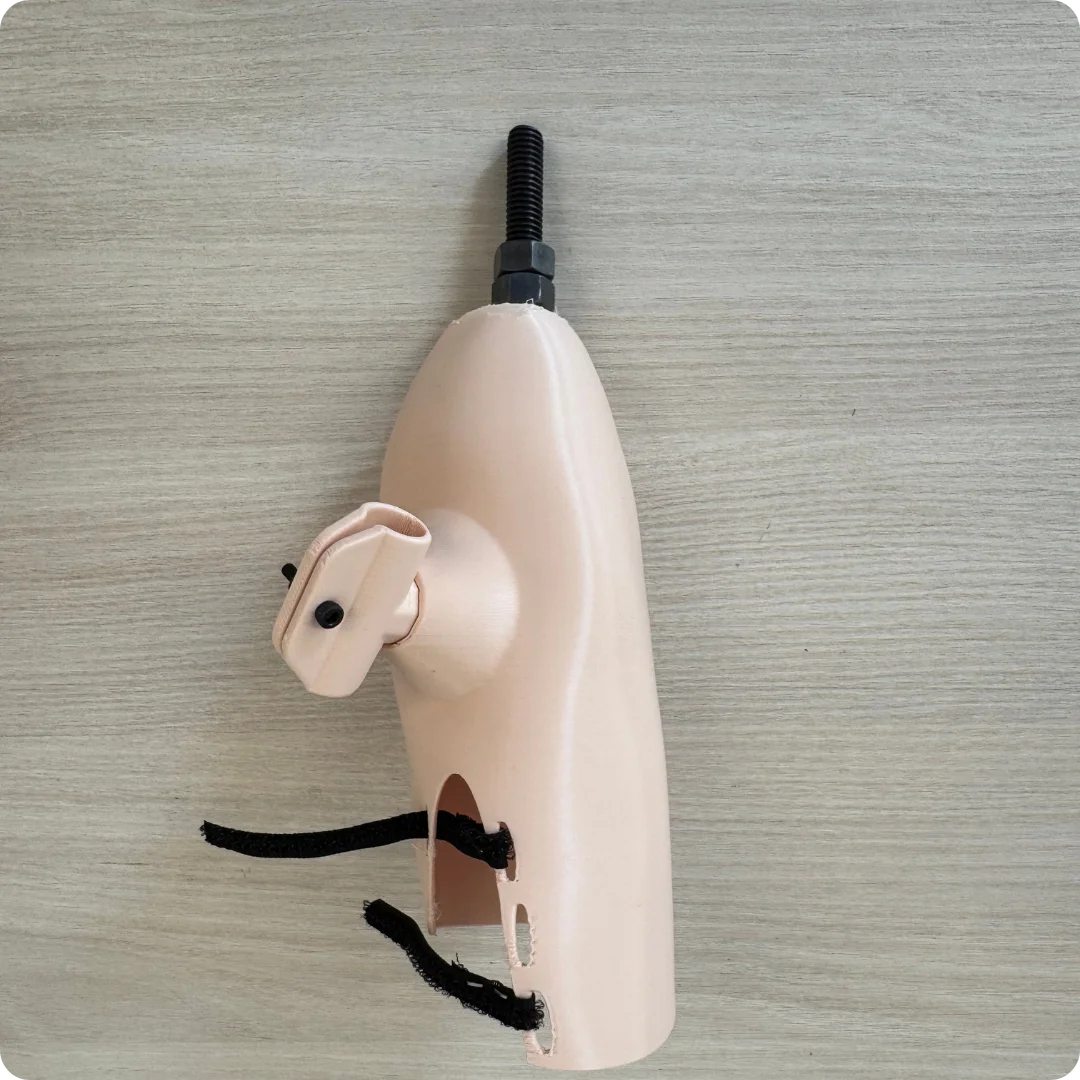
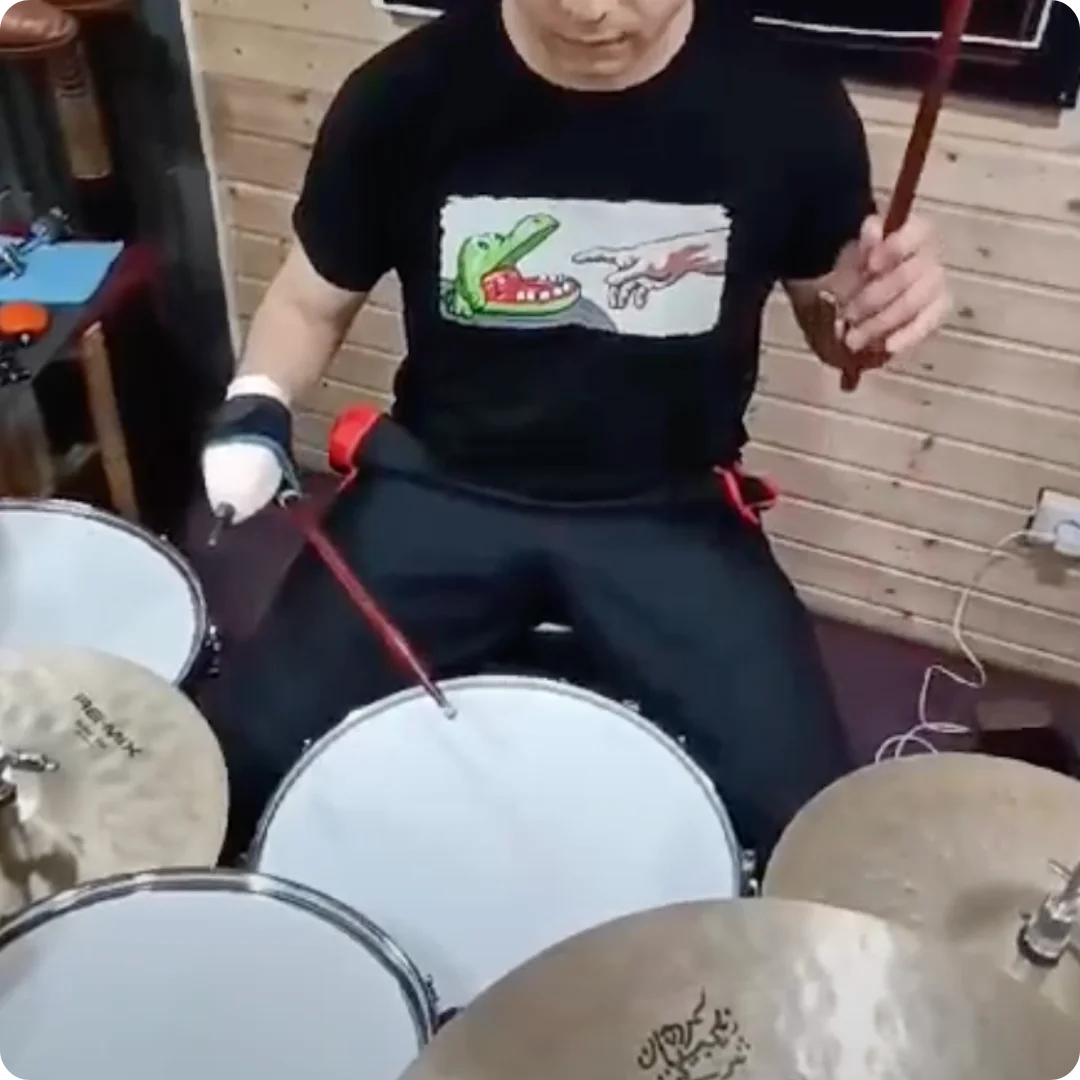
Prosthesis to hold a microphone or a drum stick.
How does it work?
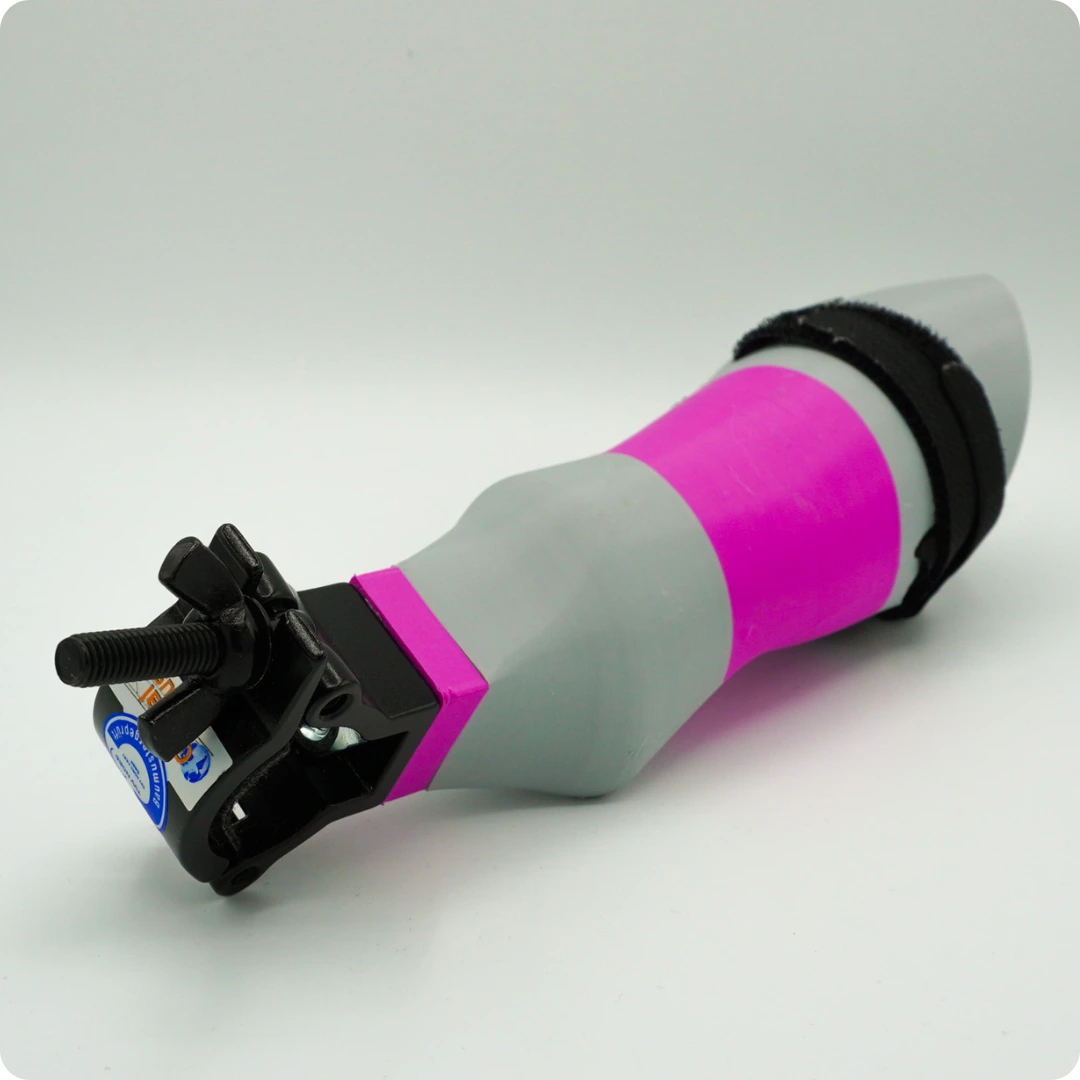
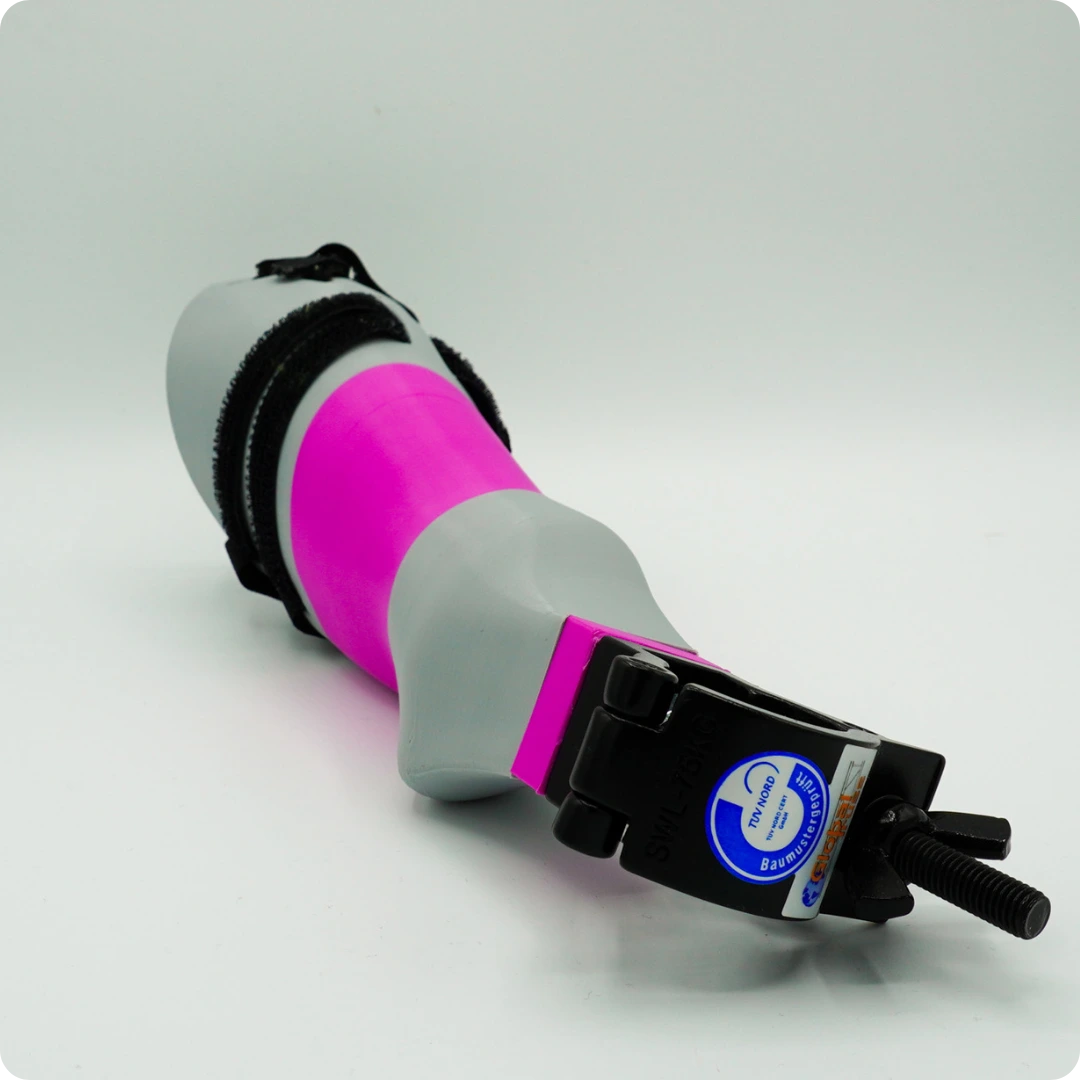
The hand is placed inside the socket and at the top it has a special screw to adjust a microphone clamp. While on one side it has a piece to hold a drumstick and that allows it to be placed at different angles depending on the desired opening.
Who can use it?
People with amputation or agenesis of the fingers.
Prótesis para tocar la guitarra
What is it for?
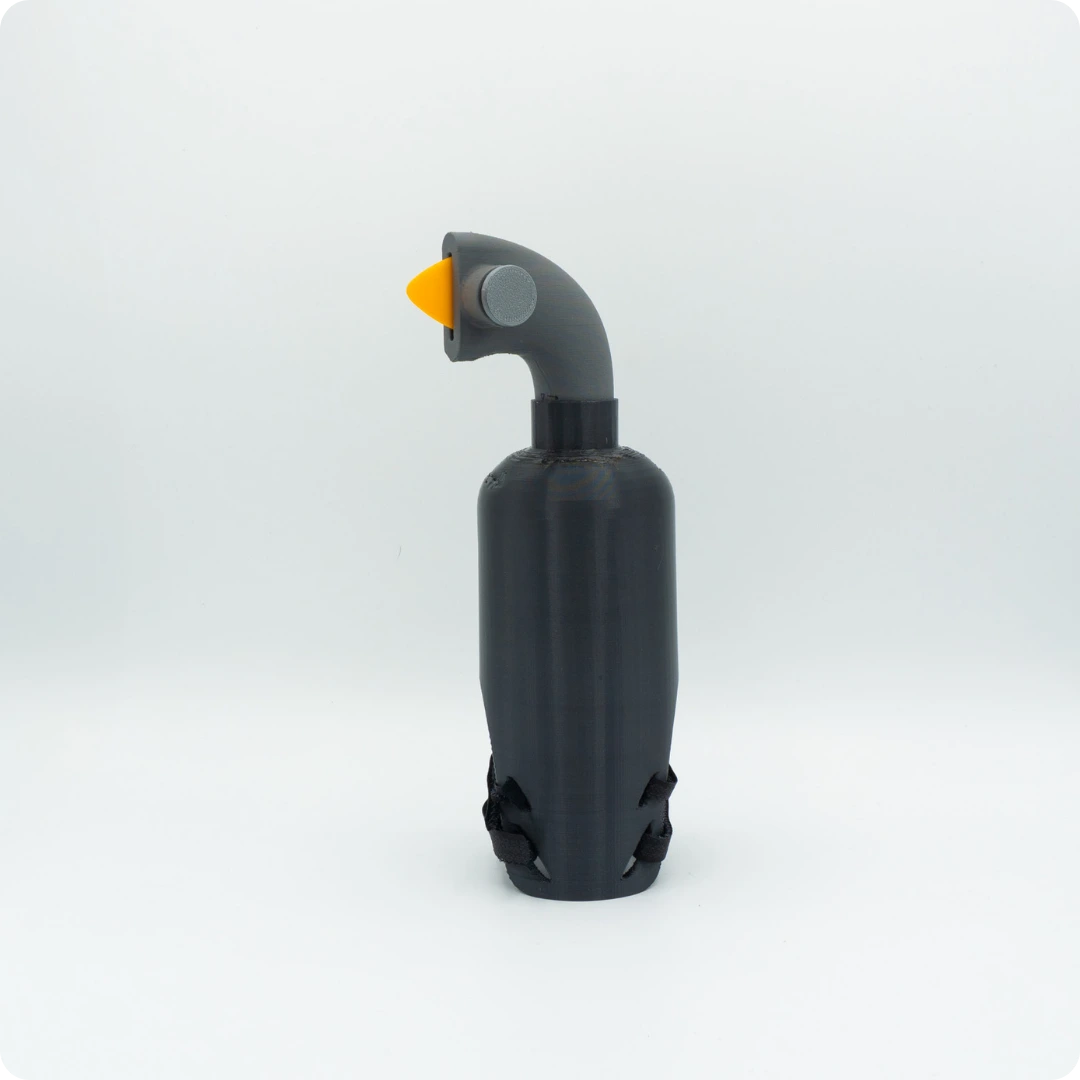
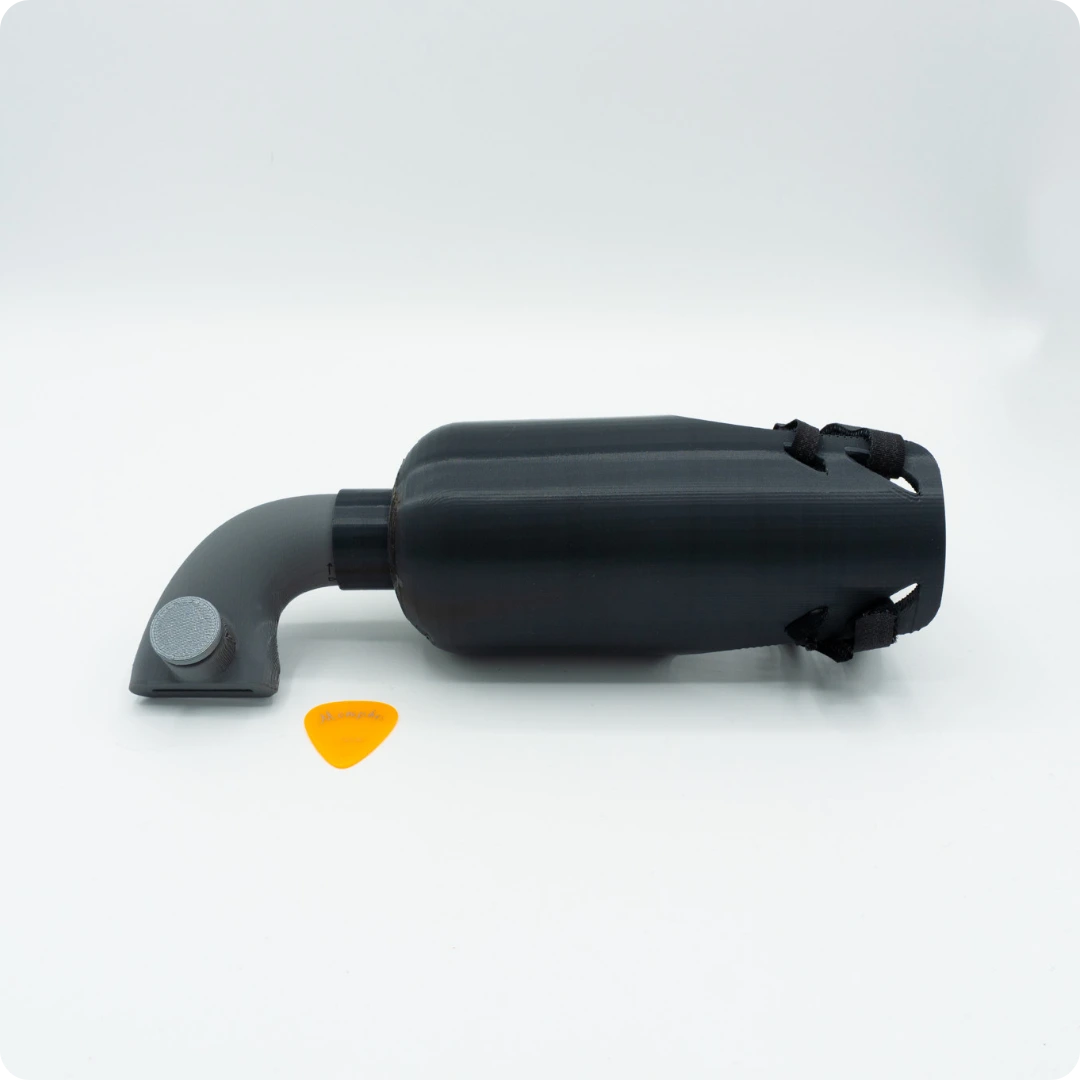
Prótesis para sujetar una púa.
How does it work?
La mano se coloca dentro del encaje y en la parte superior lleva un tornillo especial para ajustar la púa con la que se desee tocar la guitarra.
Who can use it?
People with amputation or agenesis of the fingers.
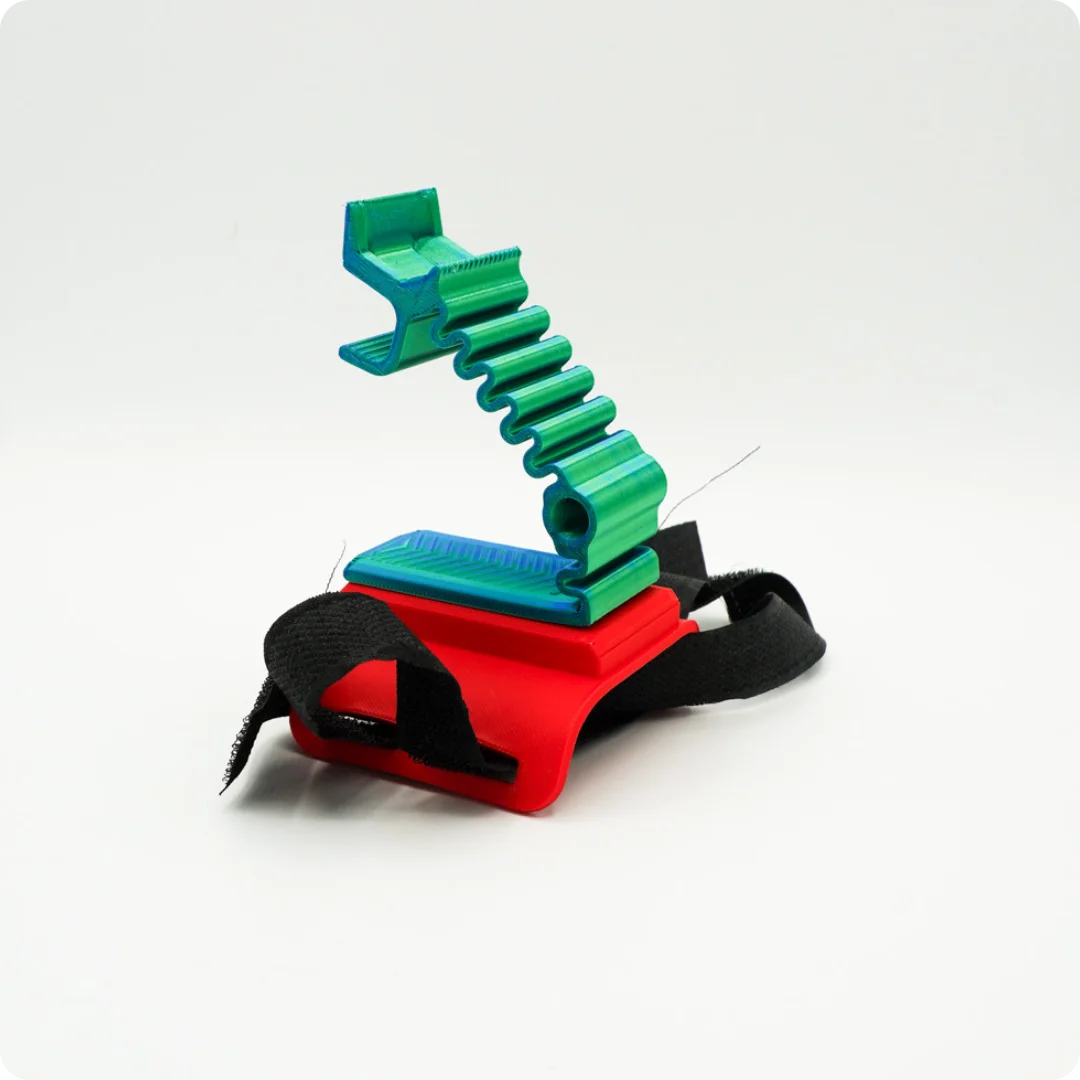
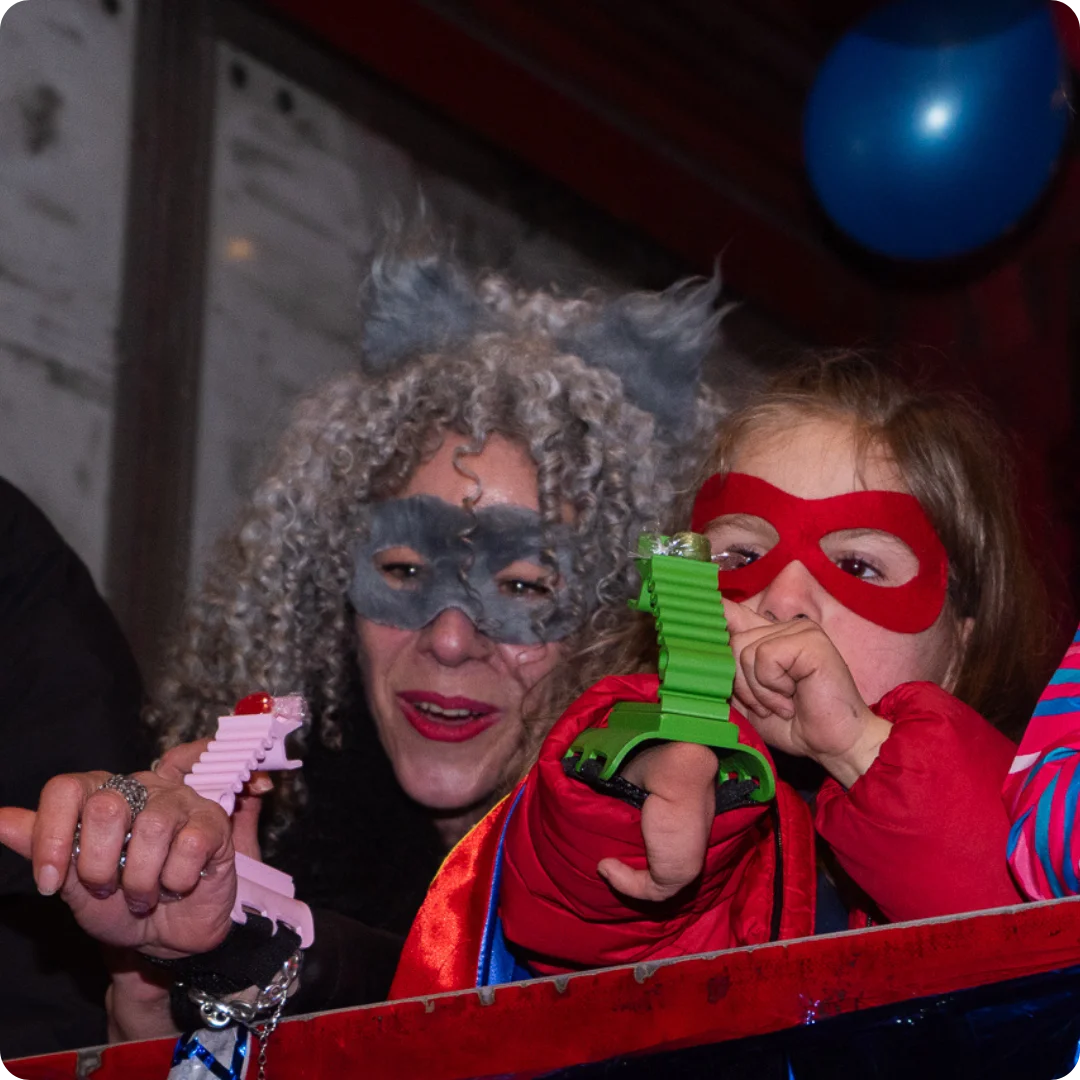
Playing prostheses
What is it for?
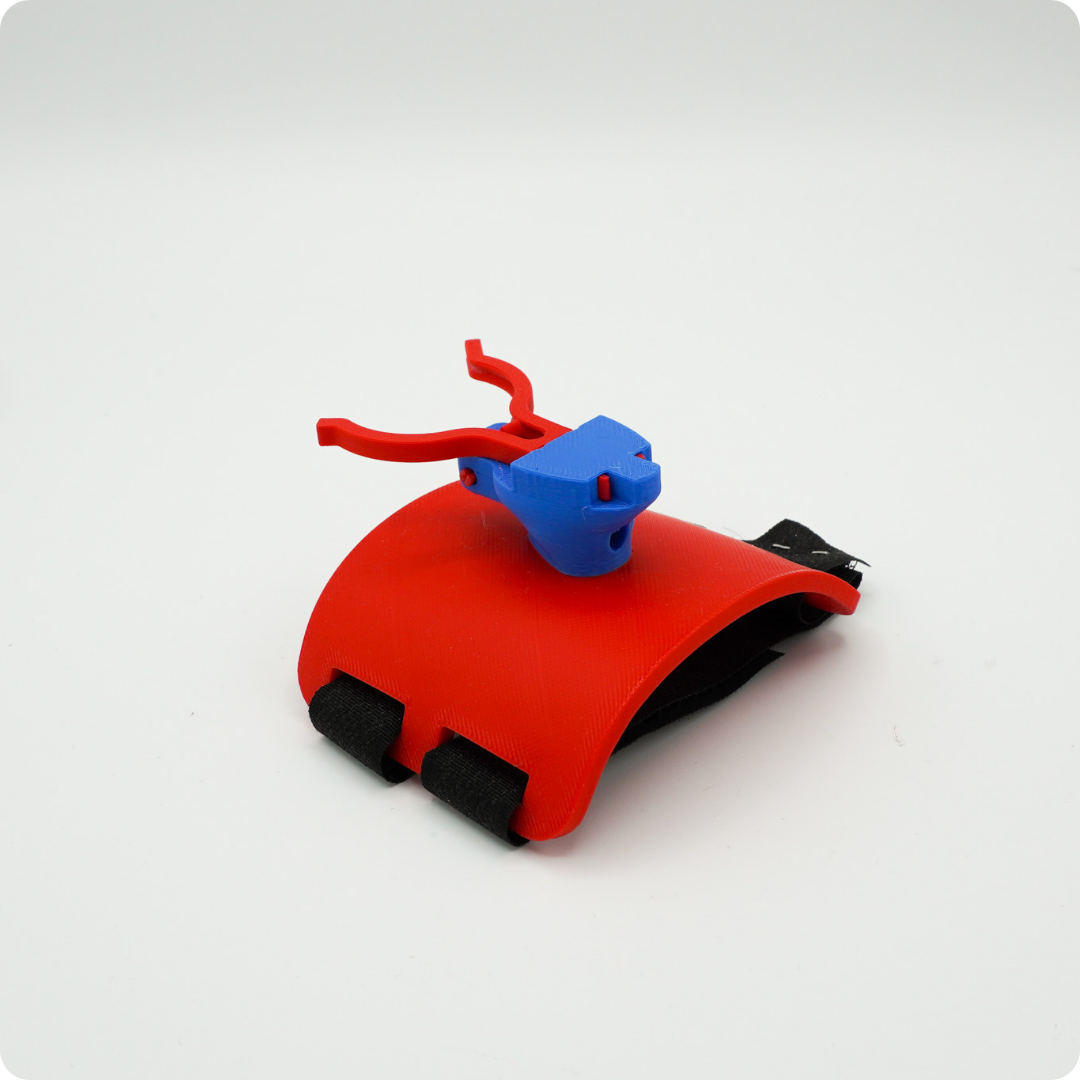
Playful complement for prosthesis. We have different models that shoot plastic discs, throw candies or throw small objects.
How does it work?
The device is attached to a prosthesis or to the arm by means of velcro. In the case of the disc launcher: the disc is placed in the launcher and when the string is pulled, it shoots out. In the case of the candy launcher: the candy is placed in the receiver of the catapult, the catapult is pressed backwards with the other hand and when released, the candy shoots out.
Who can use it?
Everyone.
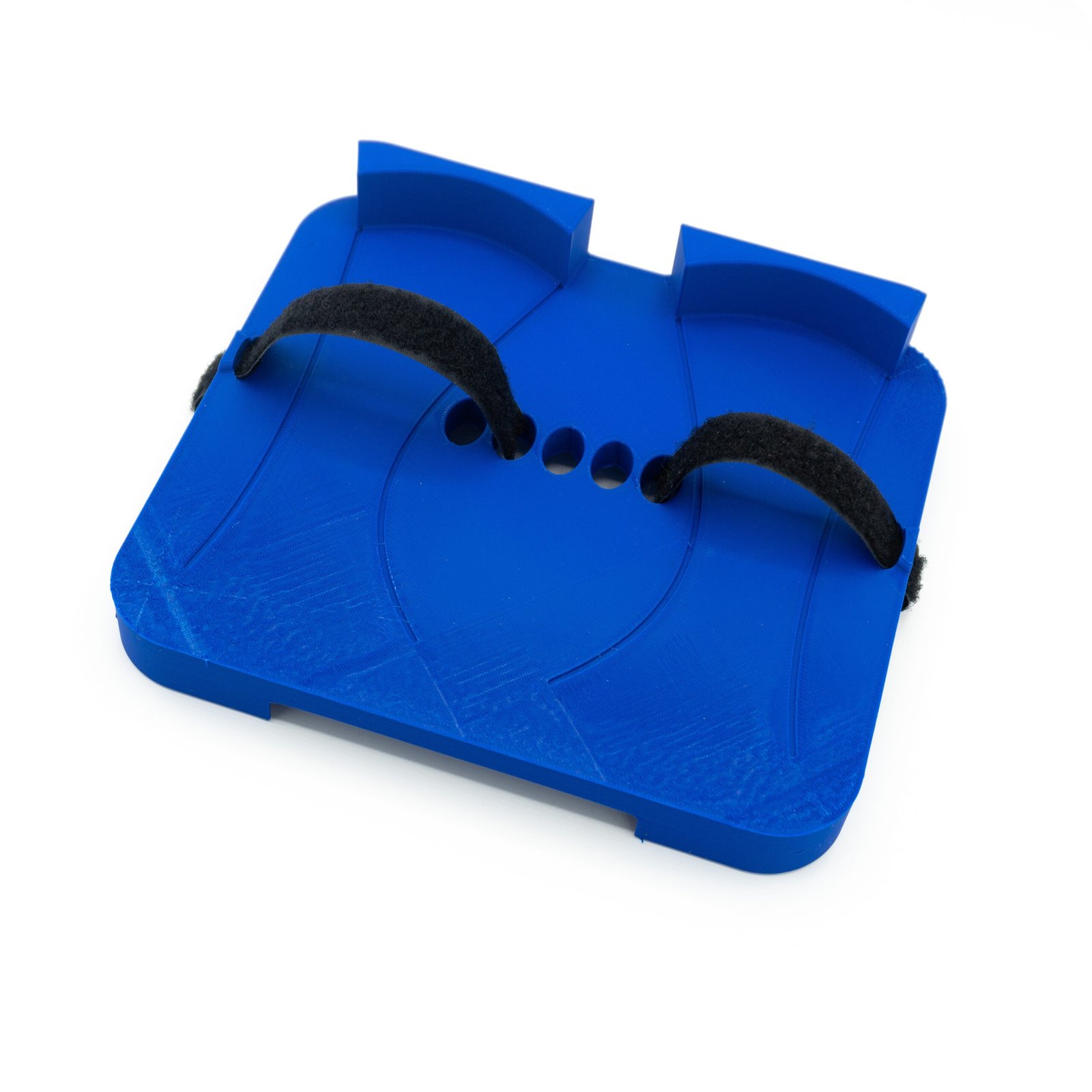
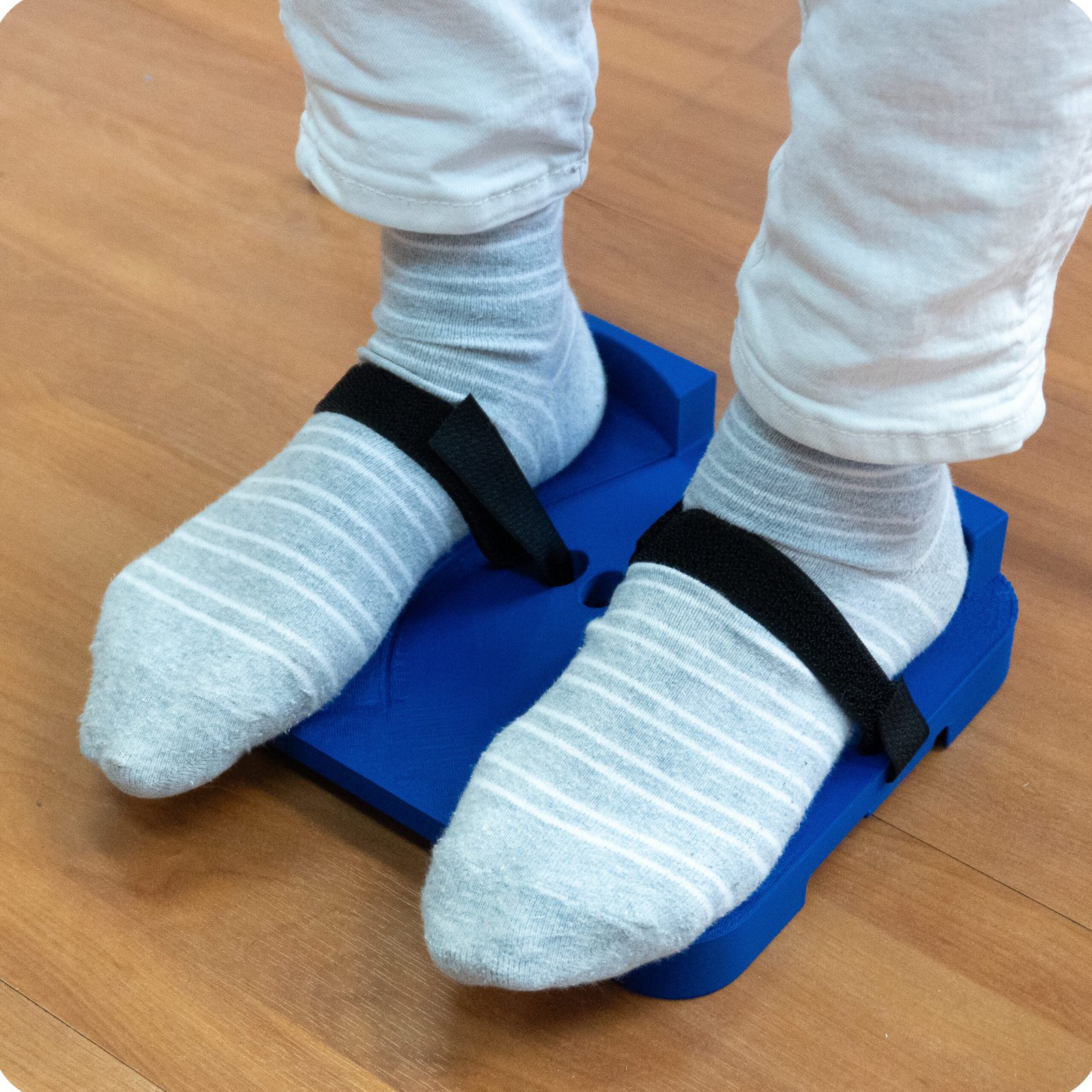
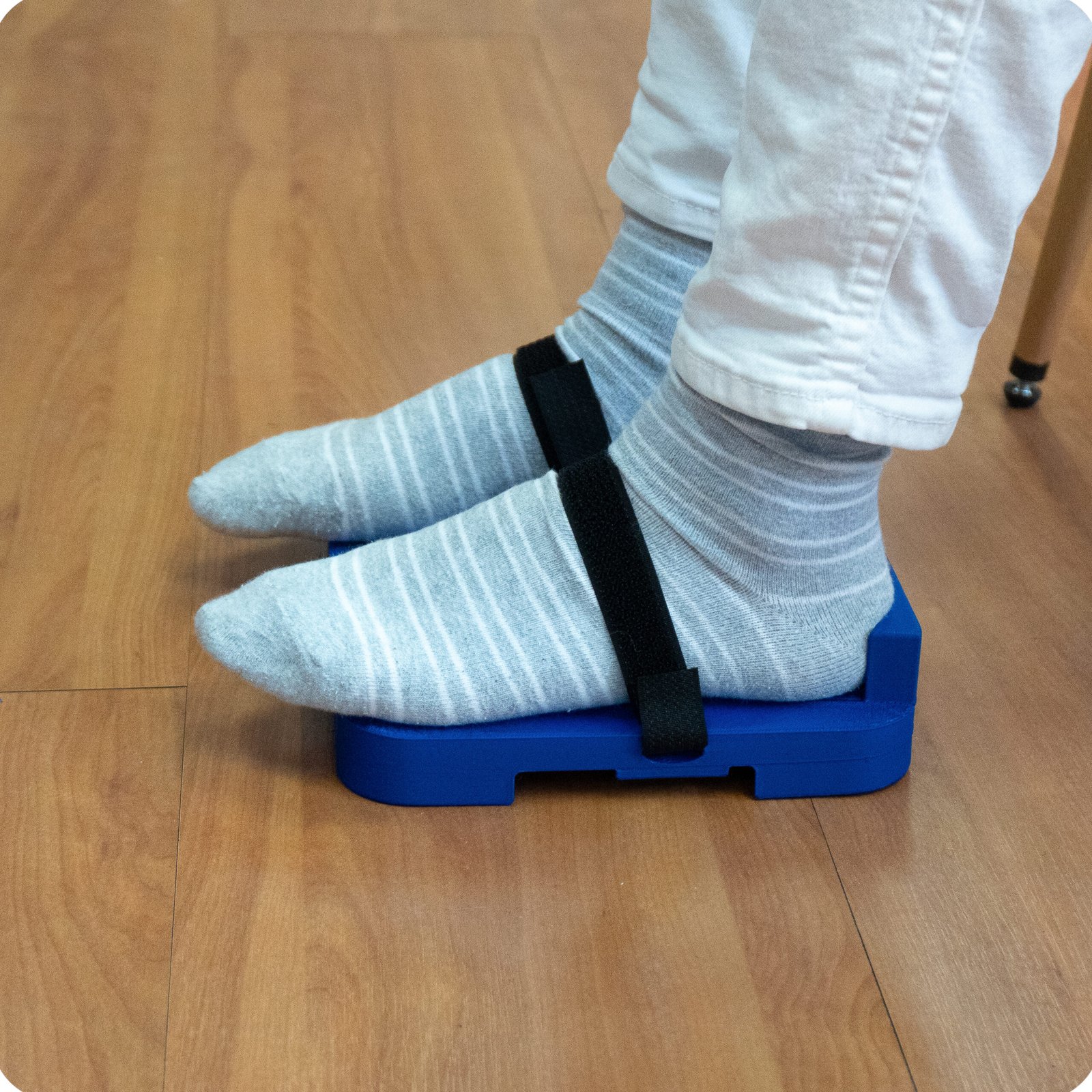
Apoyo ergonómico para pies
What is it for?
Plataforma para corregir la postura de los pies mientras la persona permanece sentada.
How does it work?
Se apoyan los pies en la plataforma y con los velcros se ajustan para que queden en una posición correcta, con la planta del pie bien apoyada.
Who can use it?
Personas con dificultad para controlar el movimiento y posicionamiento de sus pies y piernas.
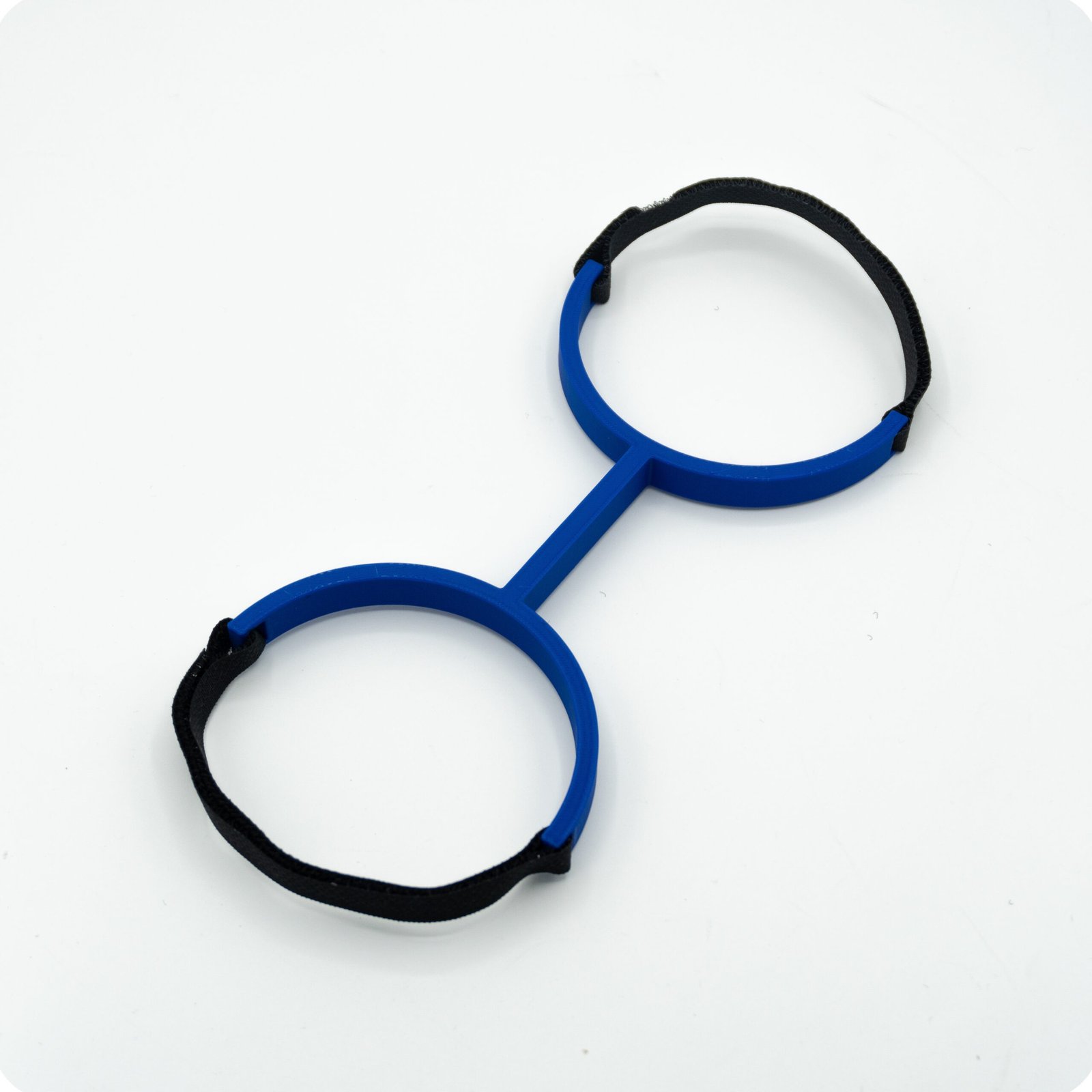
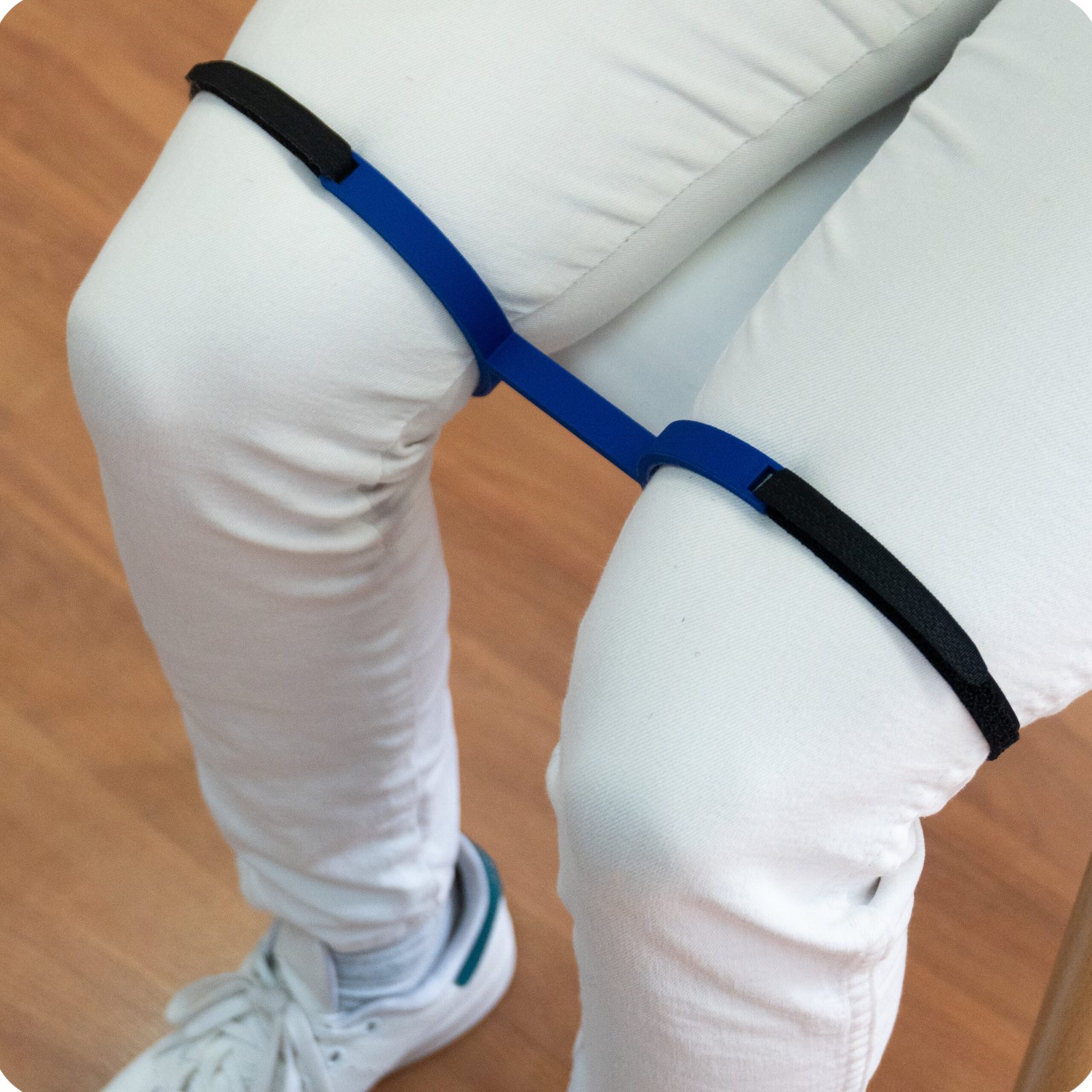
Separador de piernas
What is it for?
Evita que las piernas se junten y colapsen una contra otra cuando la persona va sentada en un vehículo o silla de ruedas.
How does it work?
Se coloca entre las piernas, a la altura de los muslos y se sujeta con los velcros, manteniendo las piernas separadas y en una posición cómoda a pesar de los posibles movimientos que pueda sufrir la persona mientras viaja.
Who can use it?
Personas con movilidad reducida y dificultad para controlar el movimiento y posicionamiento de sus piernas.
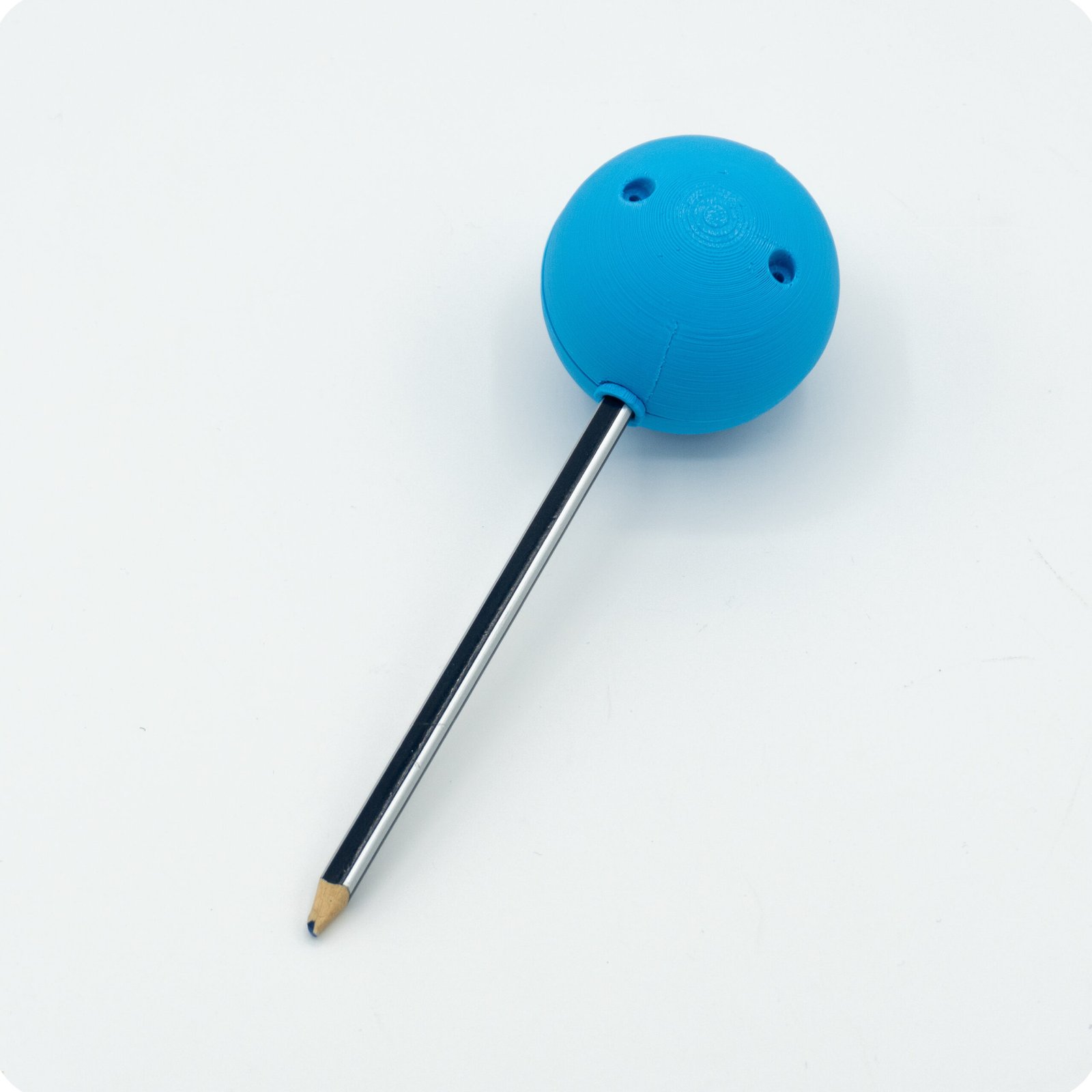
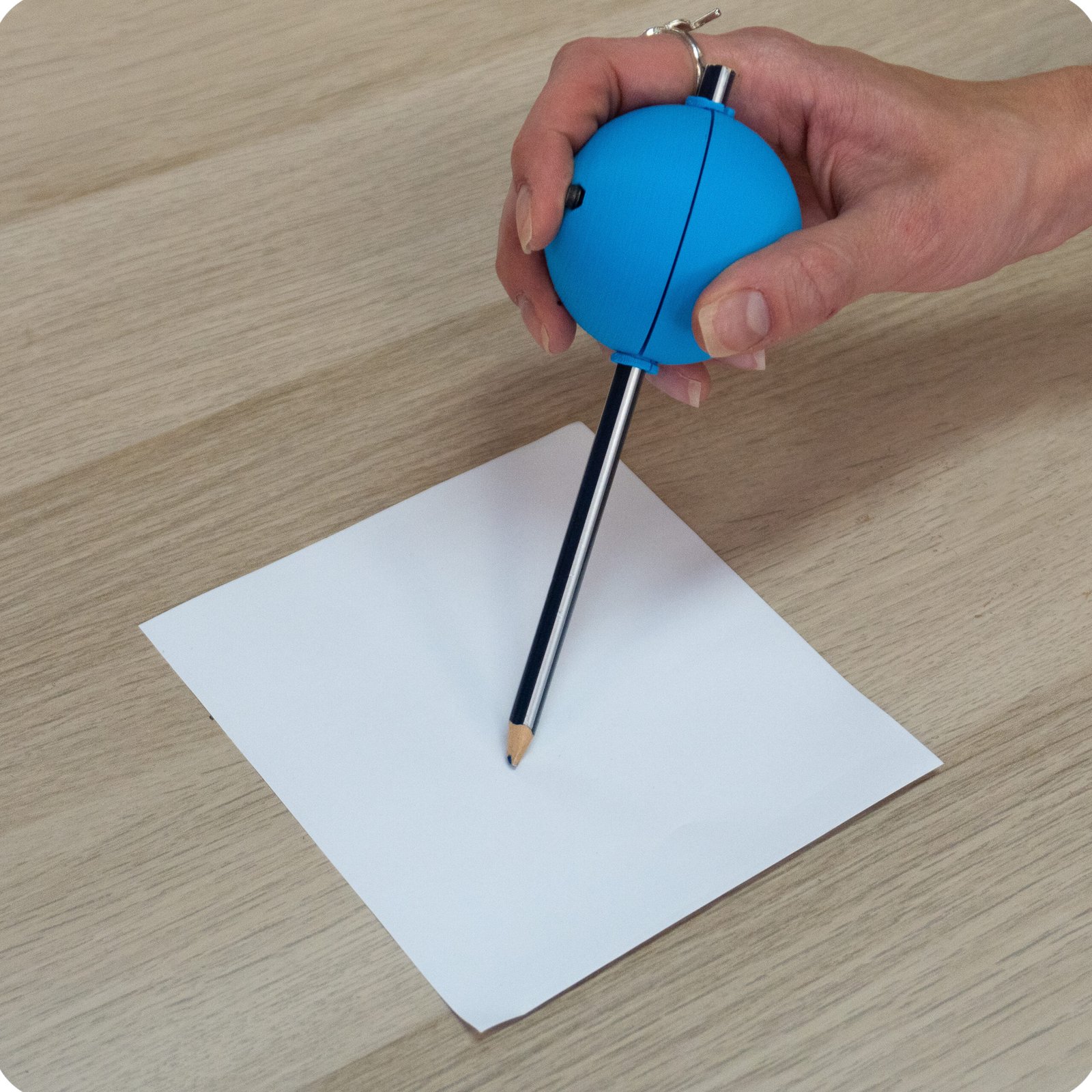
Agarre esférico para instrumentos de escritura
What is it for?
Permite agarrar un objeto fino como un lápiz o bolígrafo con más facilidad.
How does it work?
El lápiz o boli se inserta dentro y se usa la esfera para agarrarlo y escribir.
Who can use it?
Personas con dificultad para sujetar un lápiz o bolígrafo.
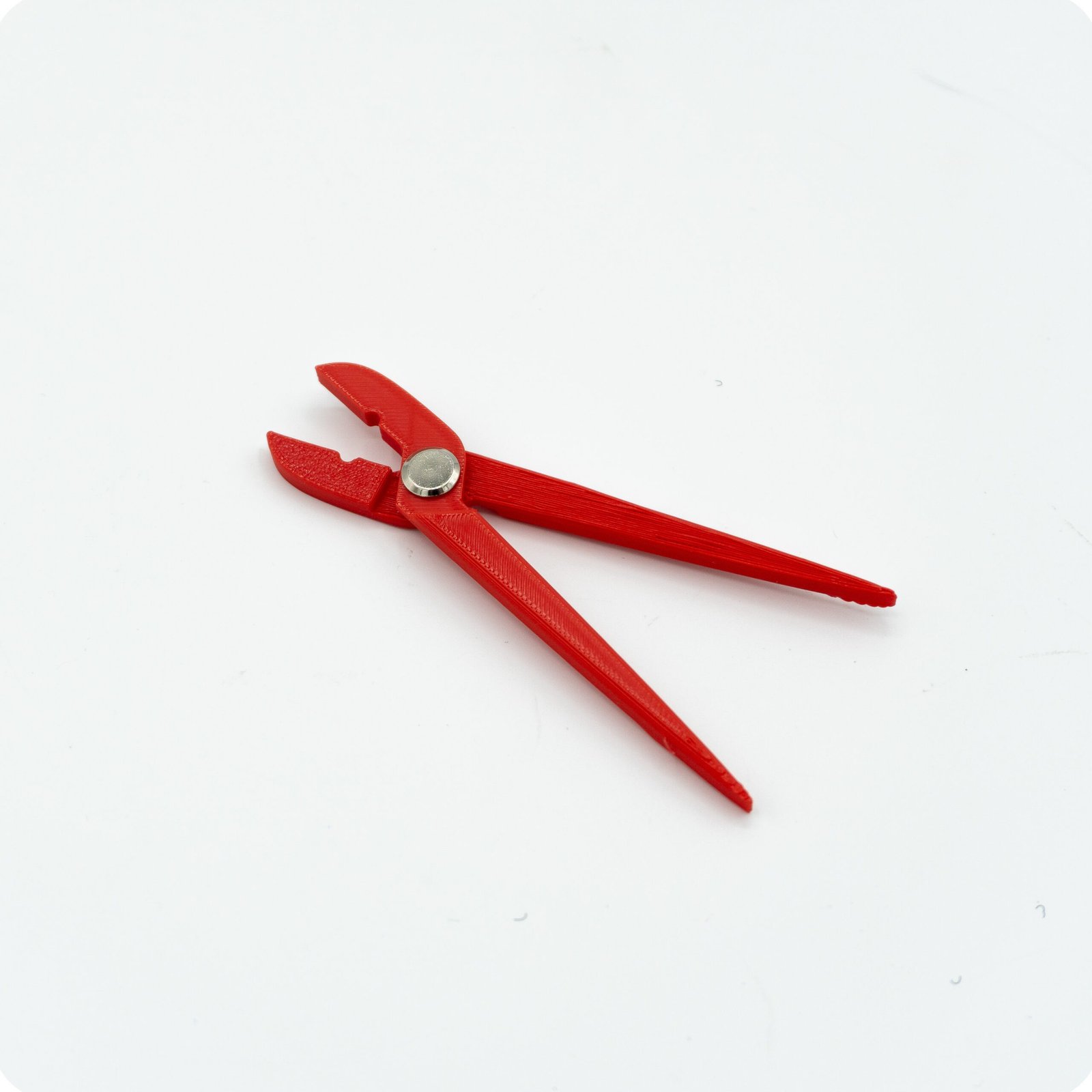
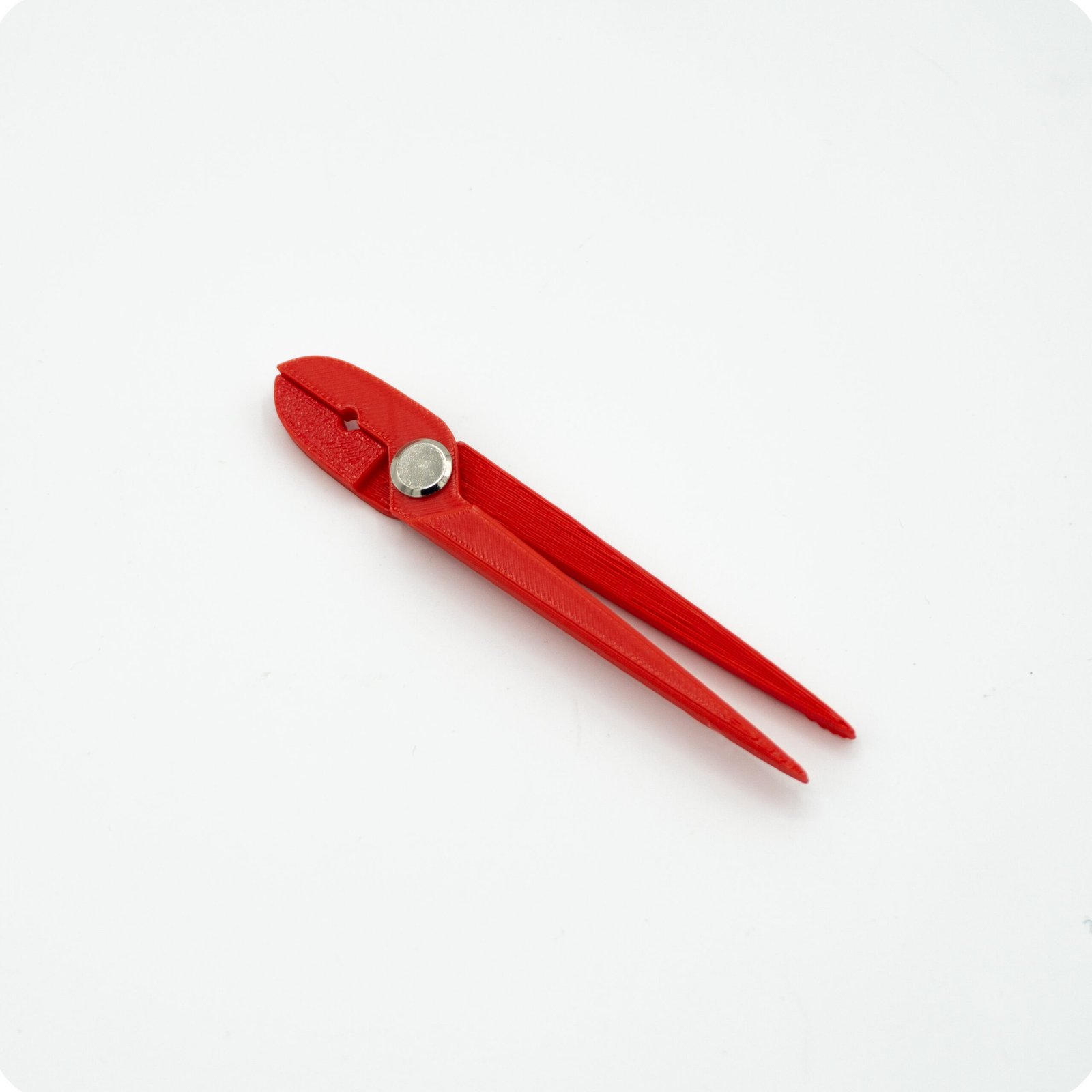
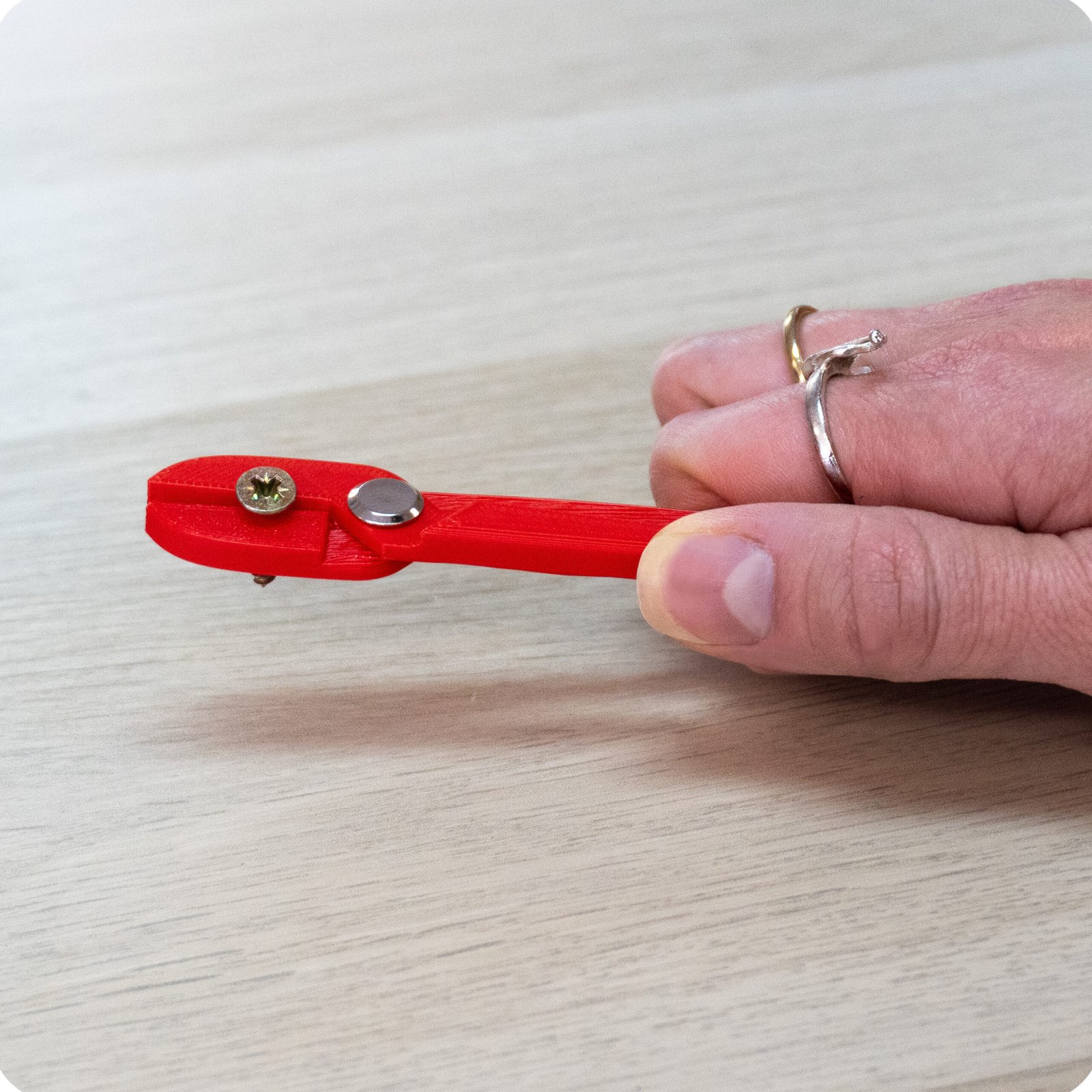
Pinza para sujetar clavos
What is it for?
Ayuda a sujetar un clavo en el momento de golpearlo con un martillo.
How does it work?
Se sujeta el clavo con la pinza para colocarlo recto contra la superficie donde se quiera clavar y se martillea con normalidad.
Who can use it?
¡Cualquier persona! Es perfecta para no lastimarse los dedos con el martillo.
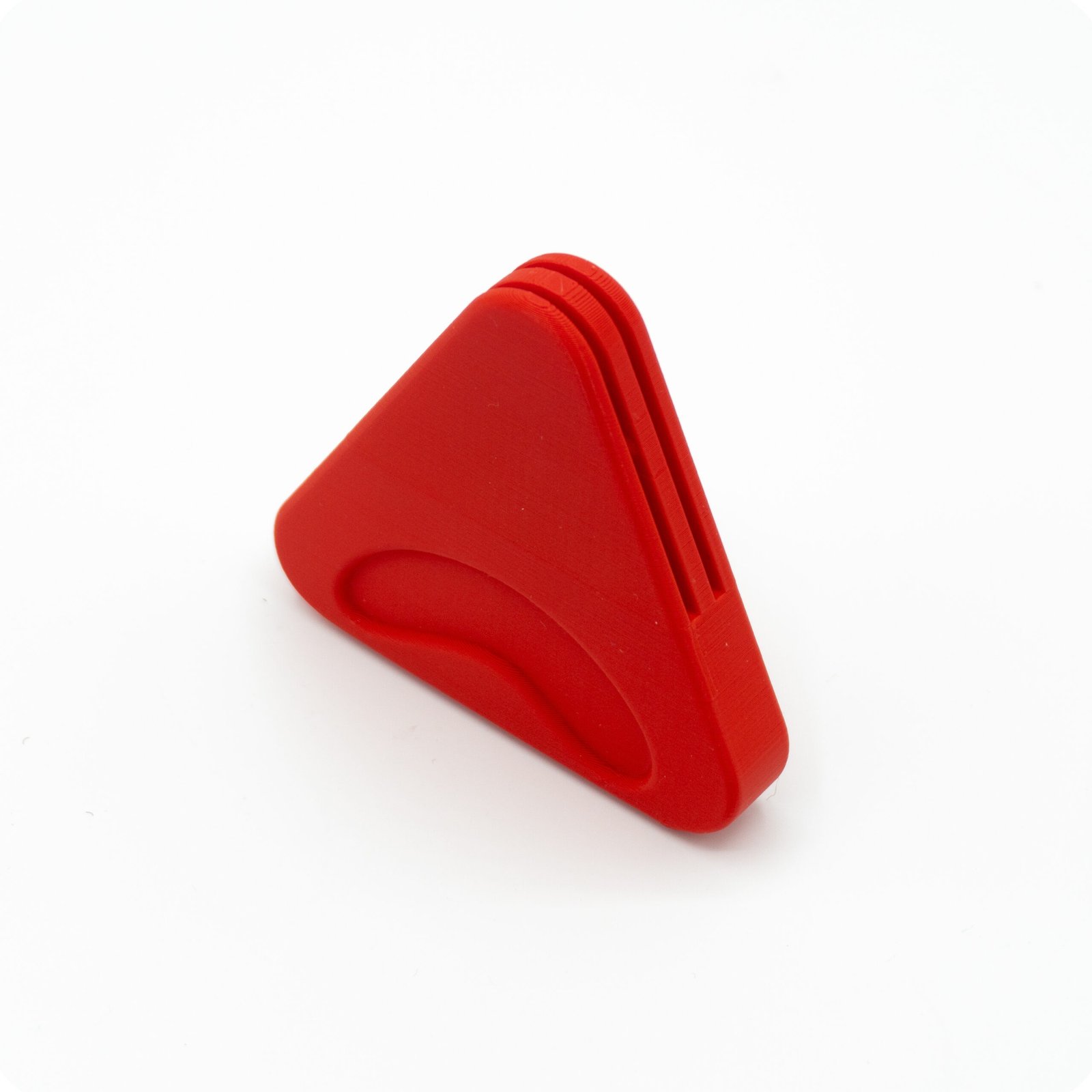
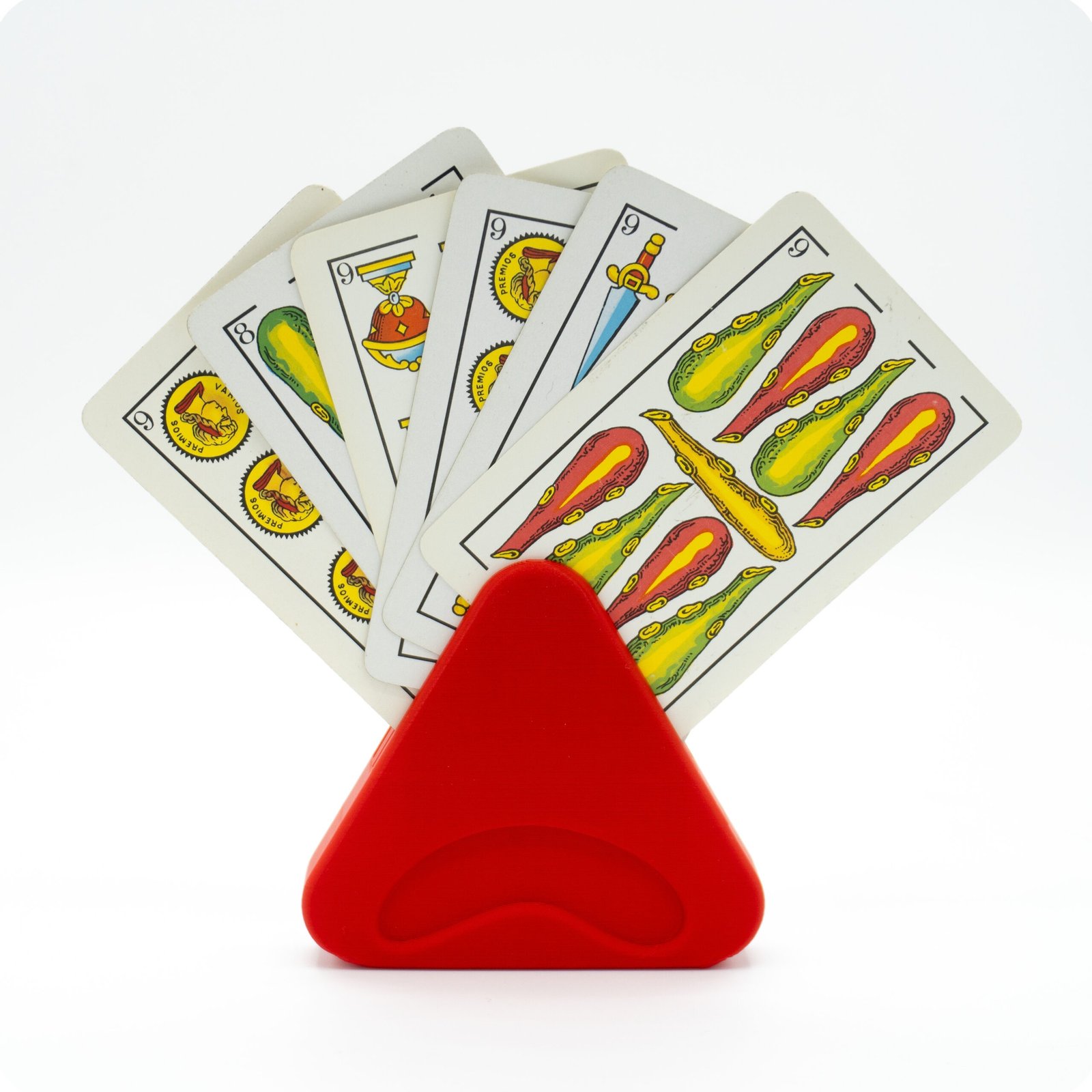
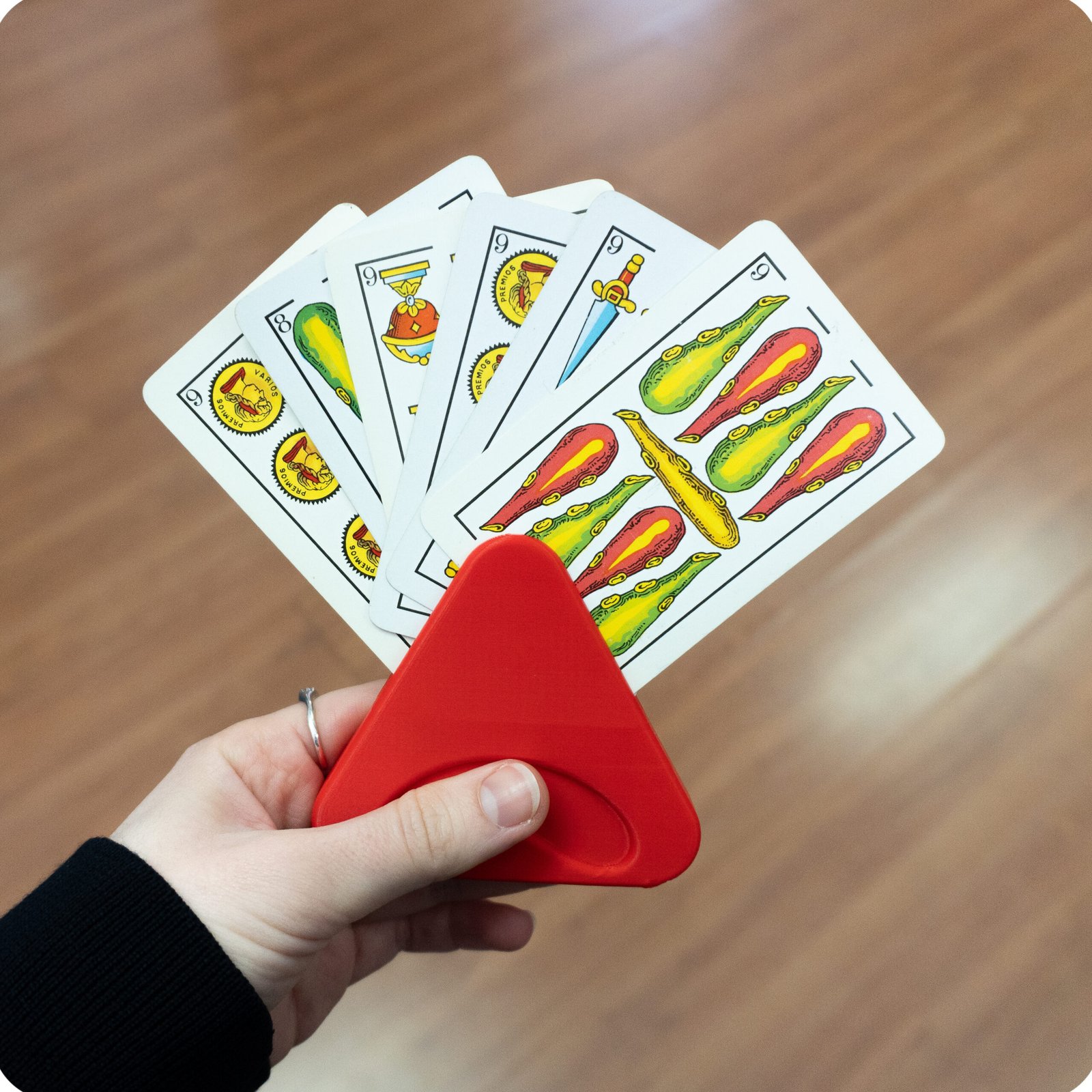
Soporte para naipes
What is it for?
Mantiene los naipes sujetos y abiertos en abanico mientras se juega una partida de cartas.
How does it work?
Se insertan los naipes en la abertura y se despliegan en abanico para poder ver sus figuras.
Who can use it?
Personas con dificultad para mantener un agarre de pinza sostenido durante un tiempo.
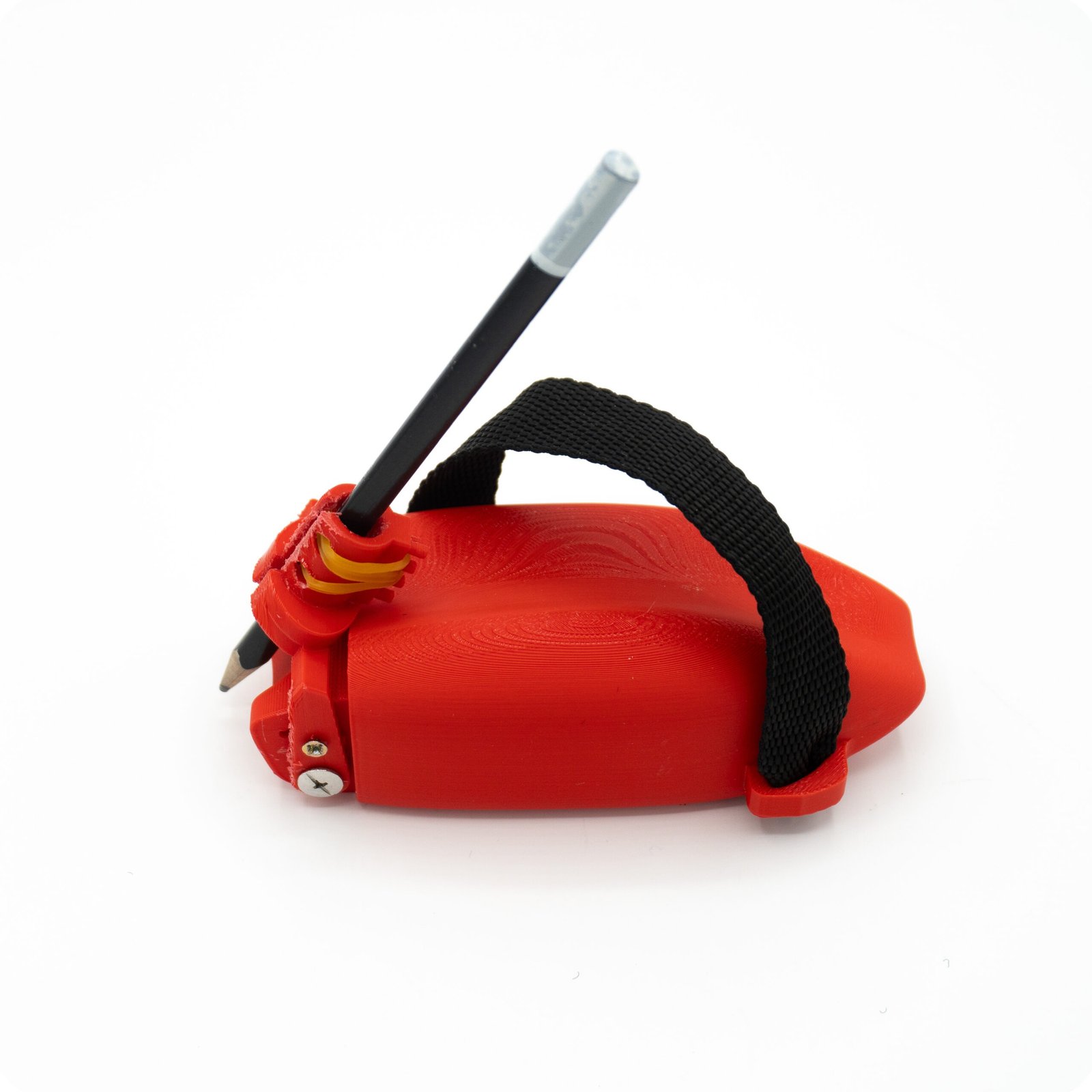
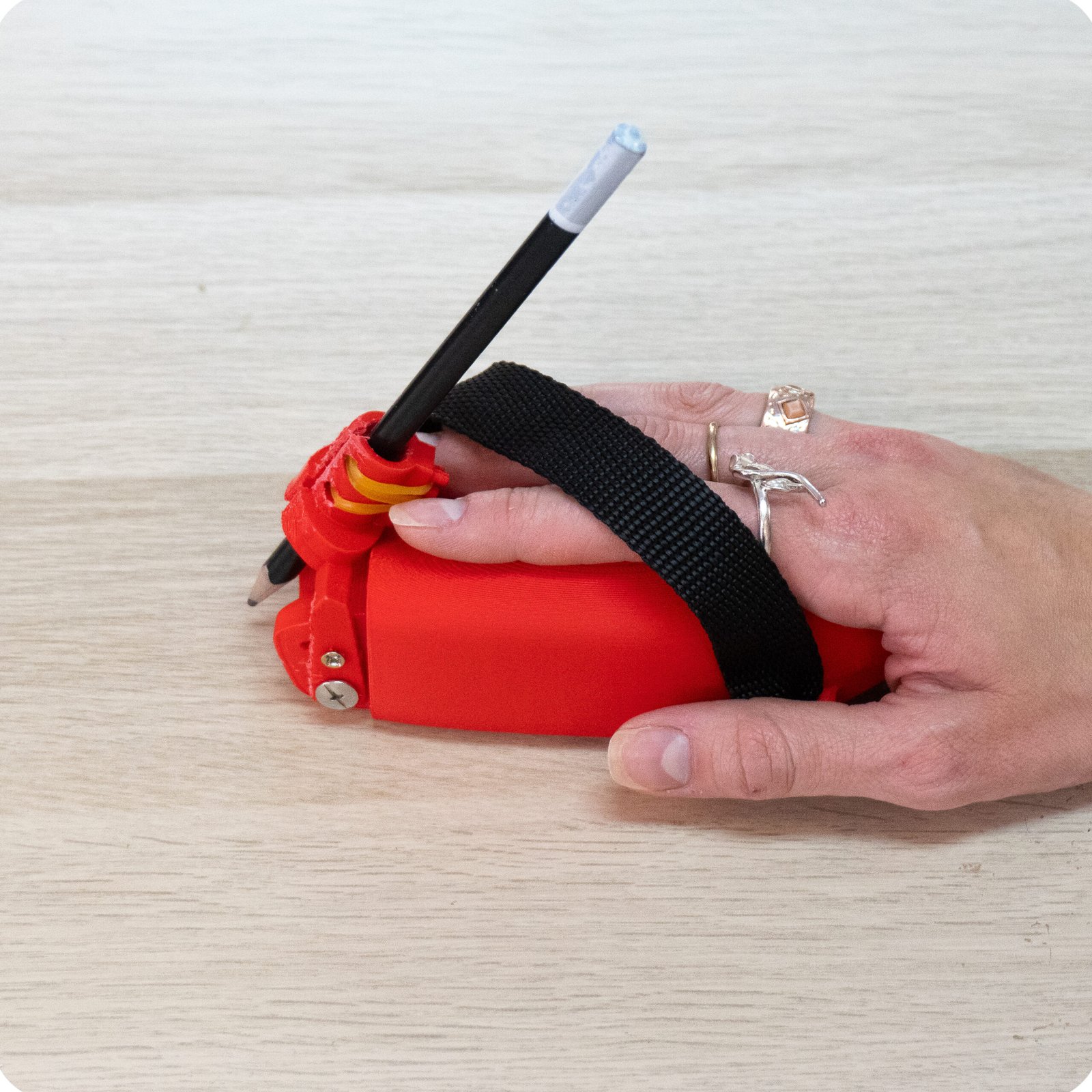
Agarre en forma de ratón para escritura
What is it for?
Ayuda a escribir con un lápiz o bolígrafo.
How does it work?
Se inserta un lápiz o bolígrafo en la parte delantera y se desliza el dispositivo por la hoja de papel como si fuera un ratón de ordenador. La curvatura de su base permite bascular la punta del lápiz/boli para levantarla del papel al terminar el trazo.
Who can use it?
Personas con dificultad para sujetar y manejar un lápiz o bolígrafo.
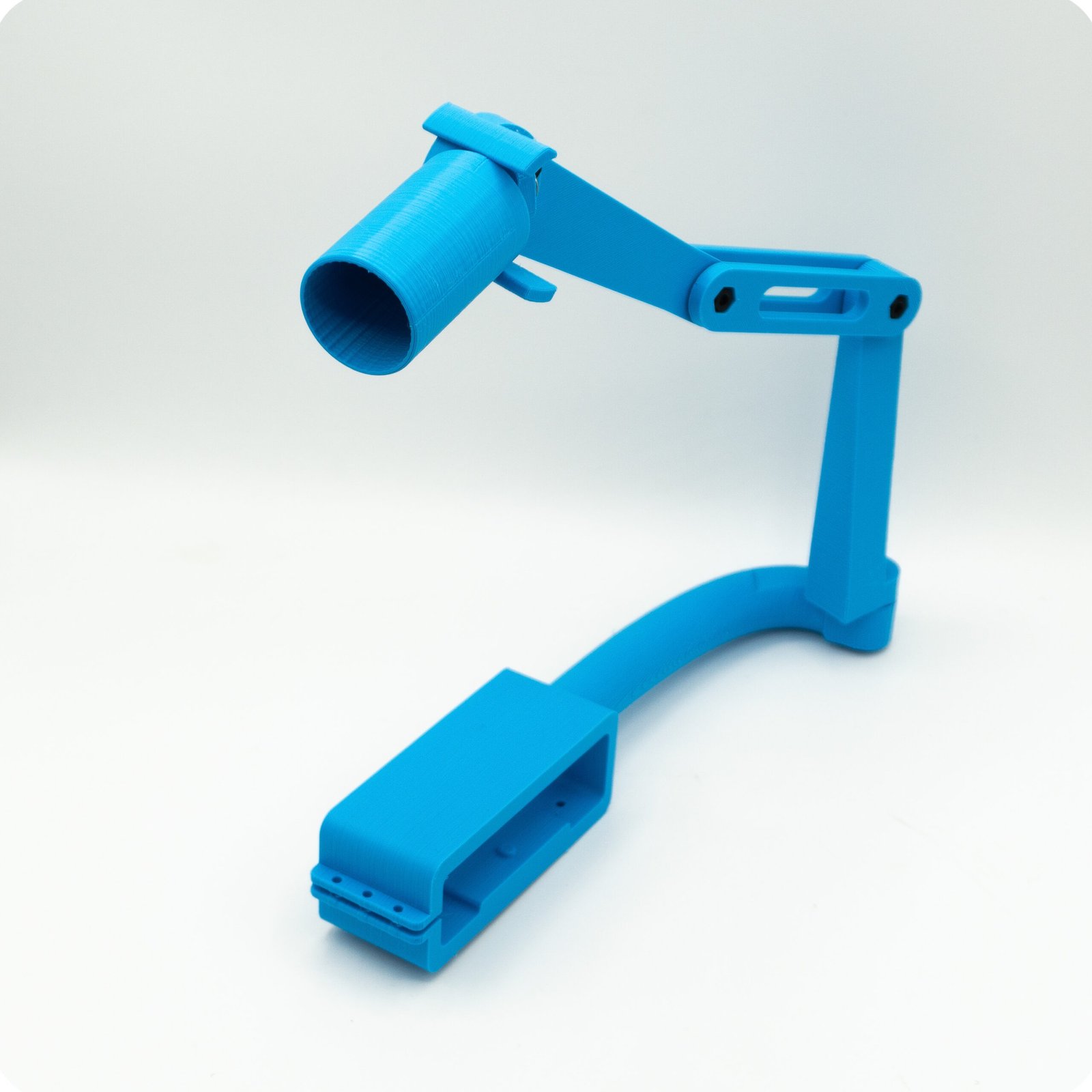
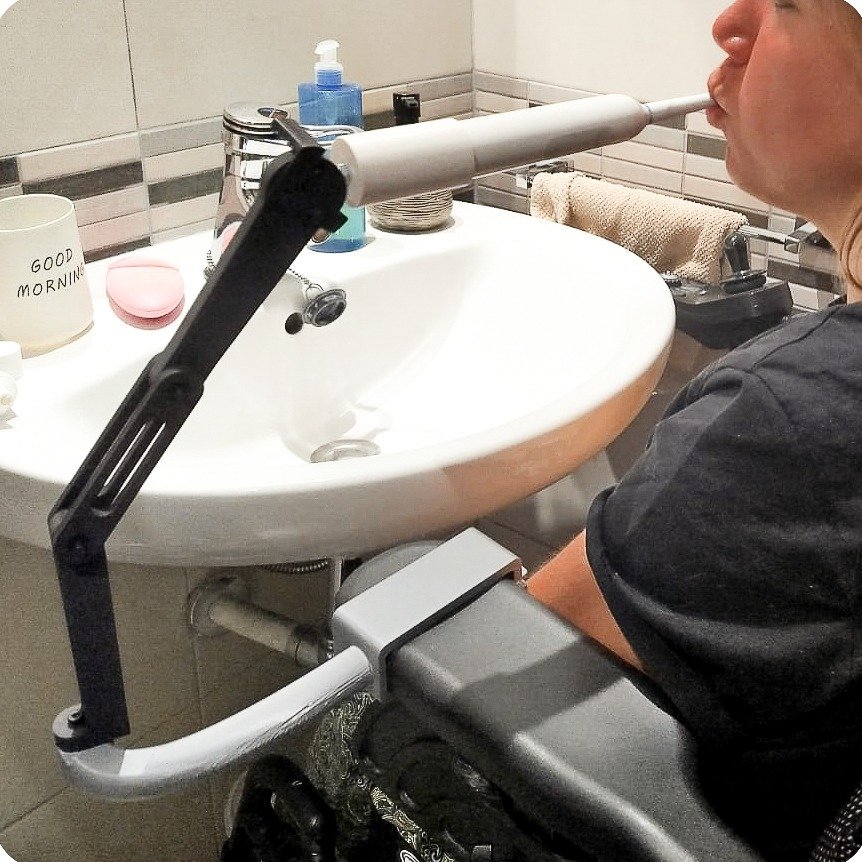
Soporte para cepillo de dientes eléctrico
What is it for?
Permite cepillarse los dientes sin tener que sujetar el cepillo con las manos.
How does it work?
El soporte se ancla al reposabrazos de una silla de ruedas y sus piezas se pueden articular hasta posicionar el cepillo de dientes a la altura de la boca de la persona. El cabezal es oscilante y permite mover el cepillo en todas las direcciones con la lengua y la boca.
Who can use it?
Personas sin movilidad en las manos y brazos y con dificultad para sujetar un cepillo de dientes.
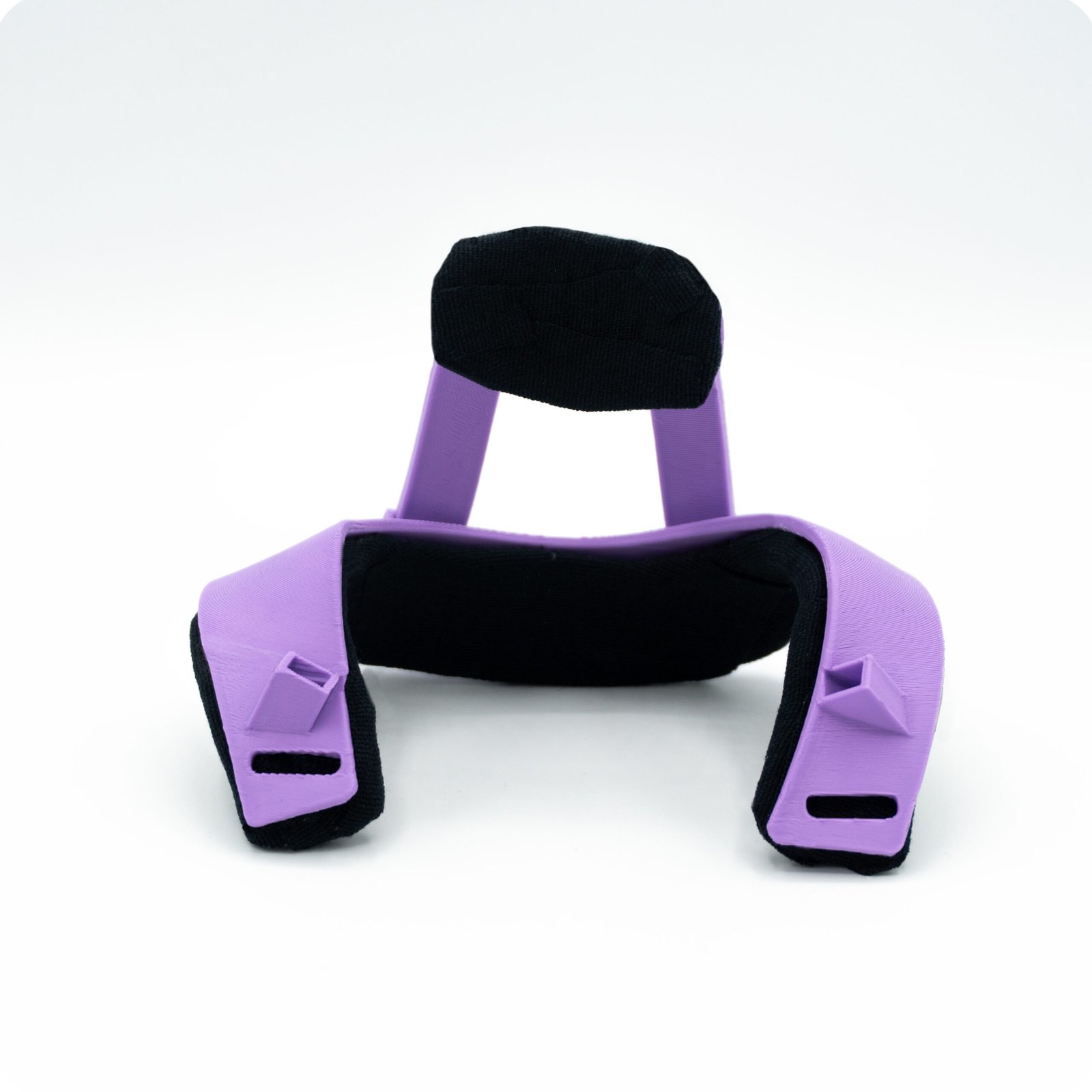
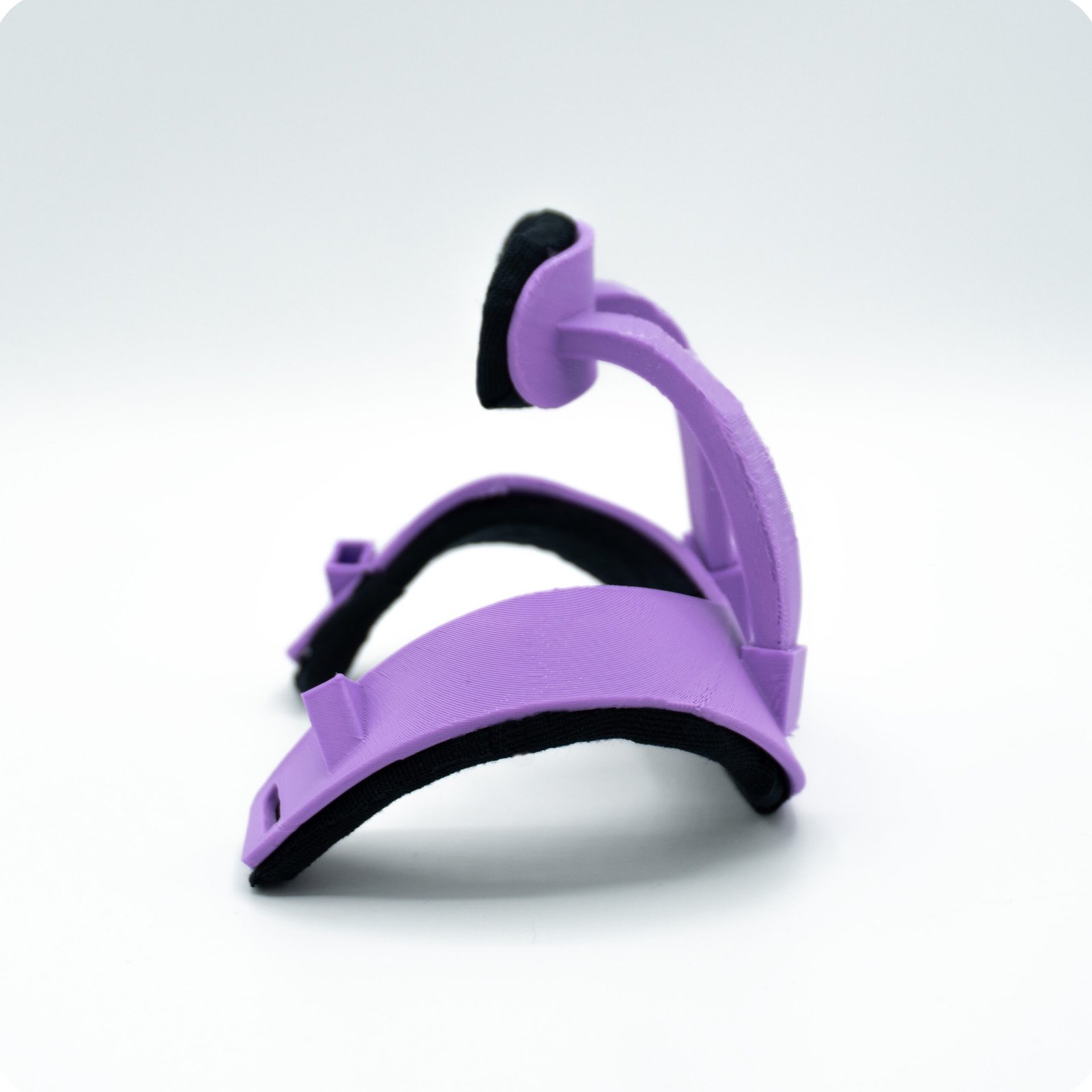
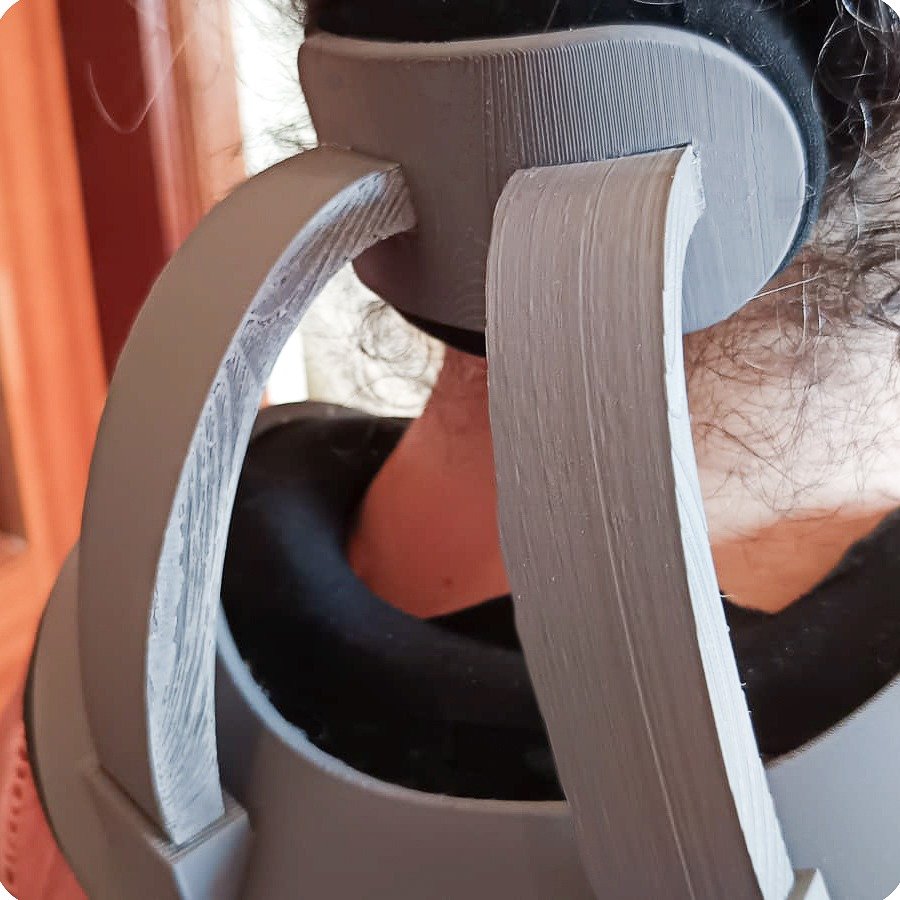
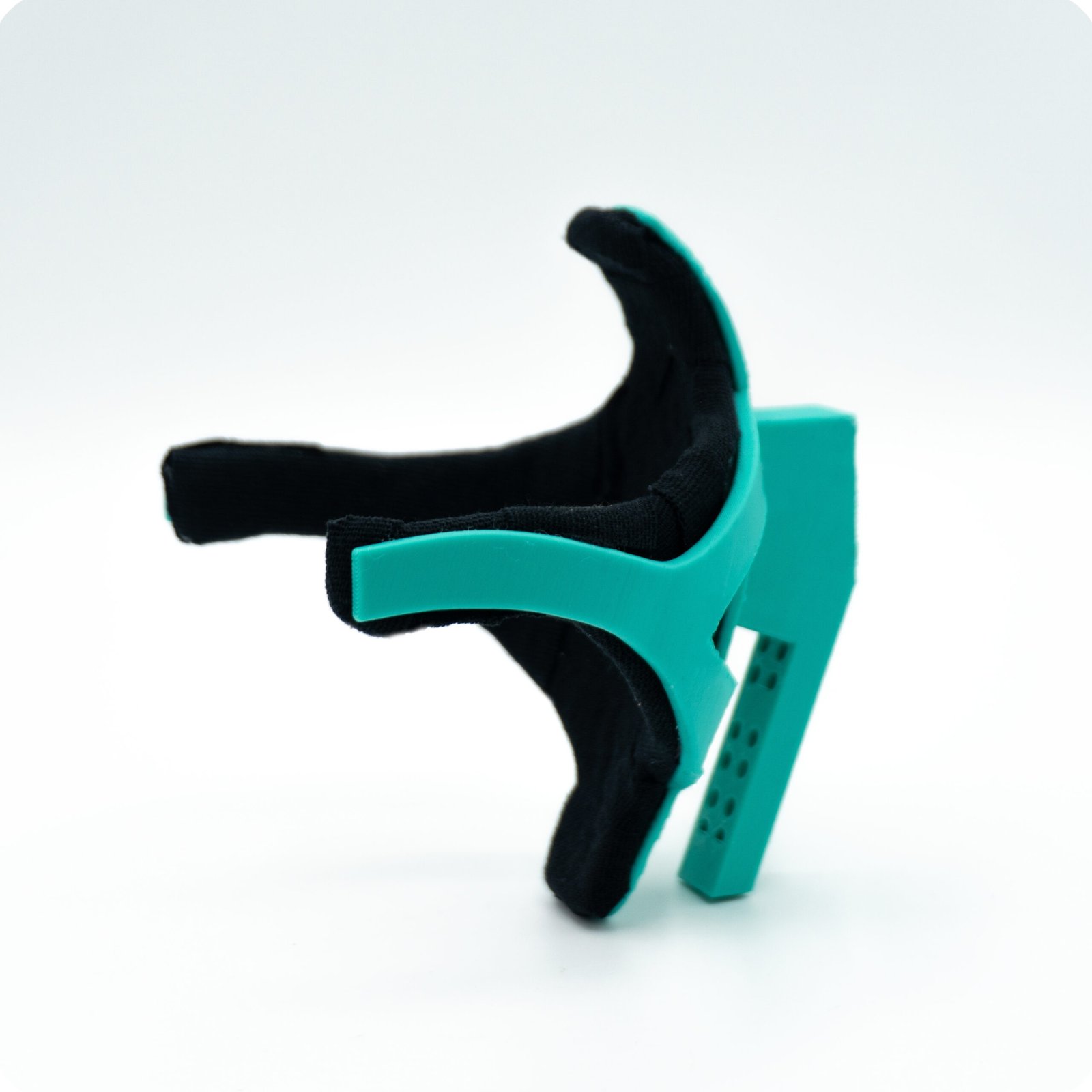
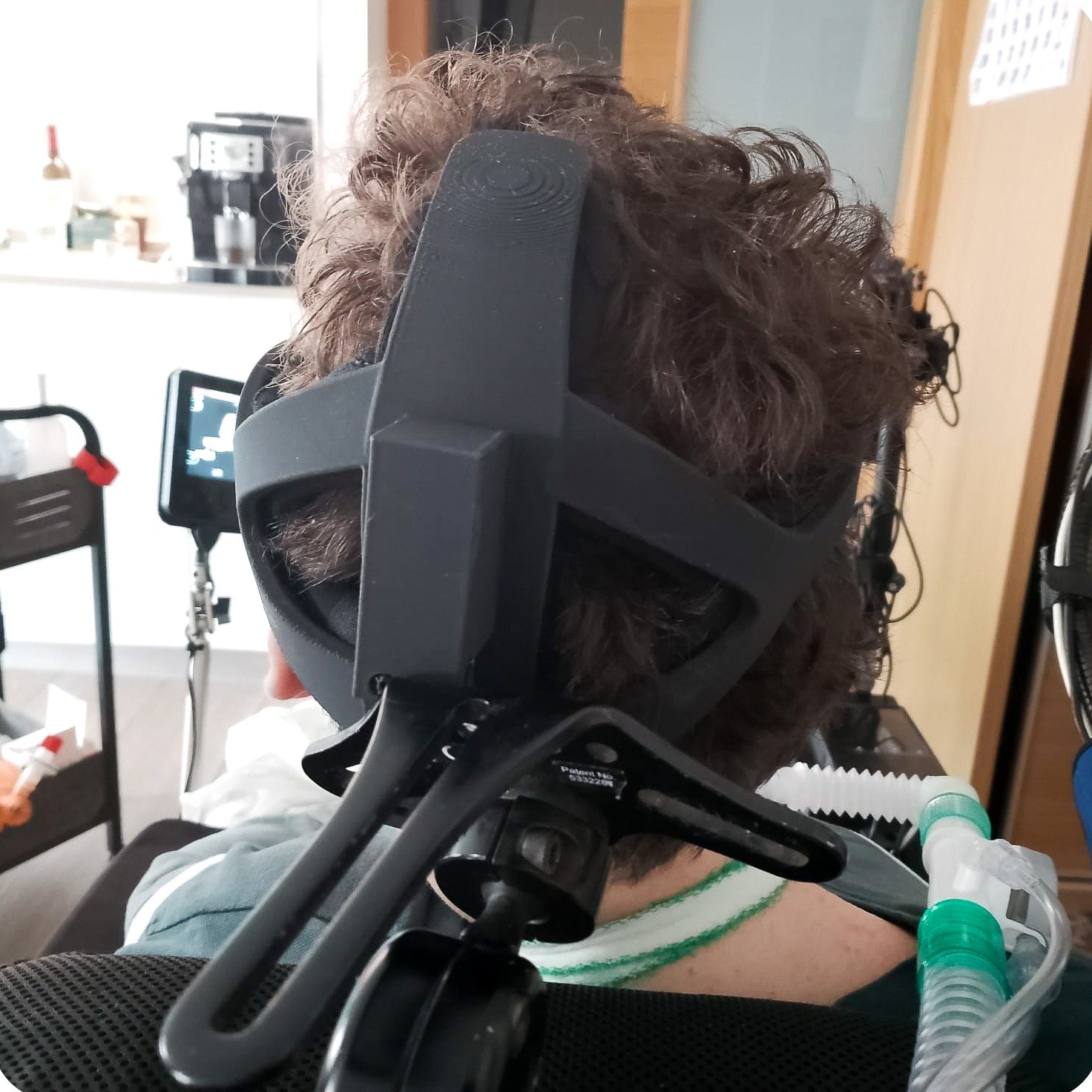
Soporte cervical
What is it for?
Ayuda a sujetar la cabeza y mantenerla en una posición correcta.
How does it work?
El dispositivo se coloca sobre los hombros y anclado a una silla de ruedas, o ajustado con velcros a la persona (según el modelo), y ayuda al cuello a soportar el peso de la cabeza, manteniéndola en una posición neutra que permita una respiración correcta.
Who can use it?
Personas con dificultad para mantener la cabeza recta.