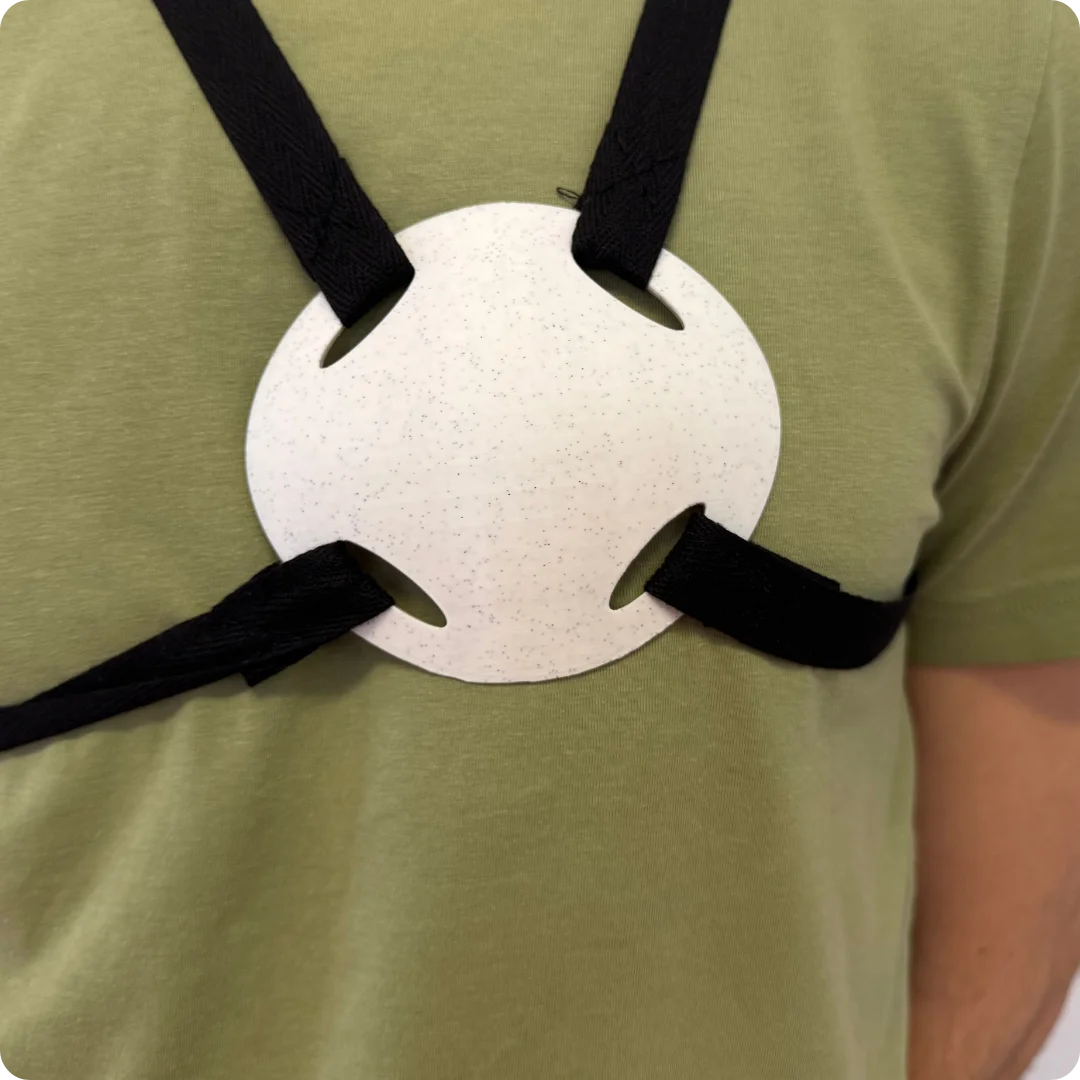
Amputación / Agenesia
En Ayúdame3D no solo creamos brazos protésicos impresos en 3D: diseñamos también distintos dispositivos de apoyo adaptados a necesidades específicas y reales de cada persona. Utilizamos la innovación social con un objetivo claro: mejorar vidas.
Cada solución nace de la empatía y del compromiso de responder a situaciones concretas, con el propósito de mejorar la calidad de vida de personas en todo el mundo a través de tecnología accesible y con impacto humano.
Trésdesis superiores mecánicas
Prótesis impresas en 3D desarrolladas por Ayúdame3D para facilitar la autonomía y mejorar la calidad de vida de personas con extremidades faltantes, ya sea por amputación, agenesia u otras causas. Se diseñan de forma personalizada y adaptada a las necesidades de cada persona usuaria.

Mery
Arm for people with elbow.
Its mechanism is activated by the natural elbow joint.


Nelly
Arm for people without fingers.
Its mechanism is activated by the natural wrist joint.


Vicky
Arm for people without elbow.
Its mechanism is activated by the natural shoulder joint.

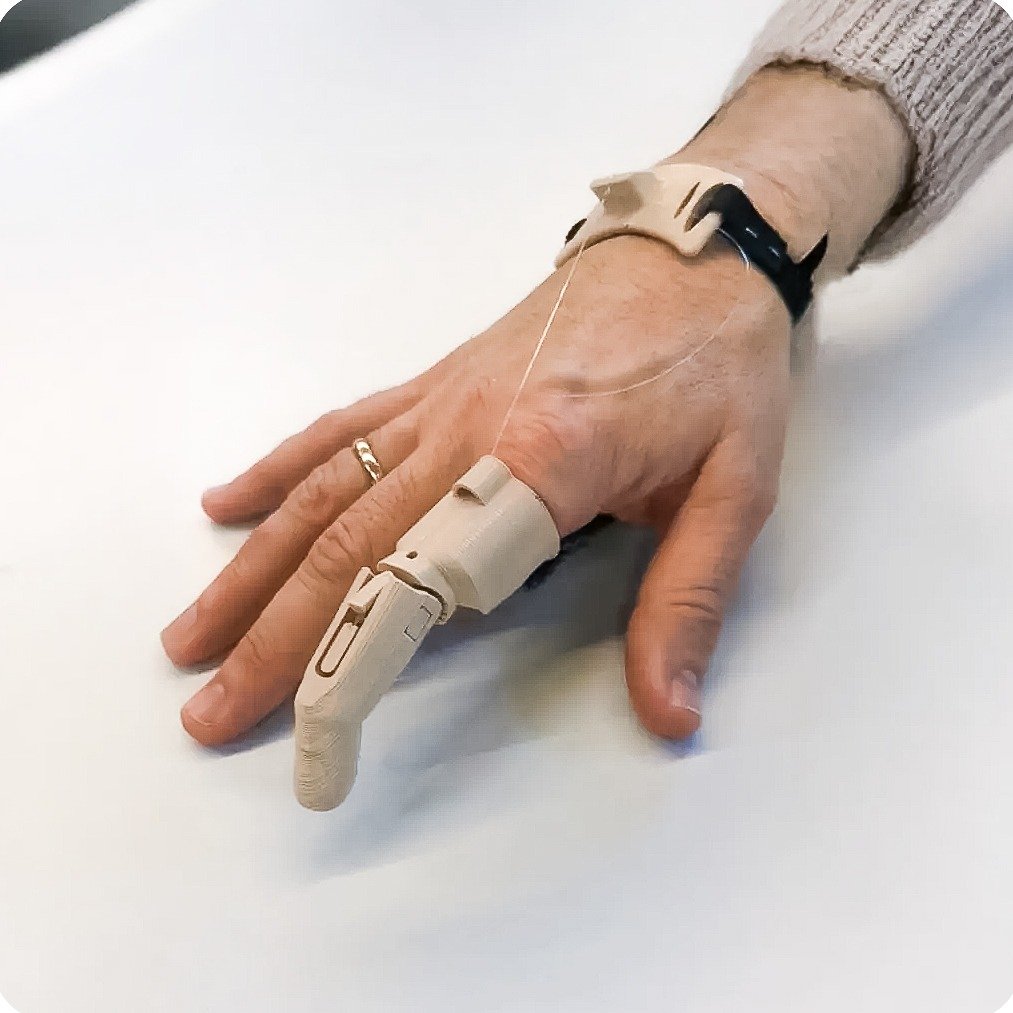
Prótesis de dedo
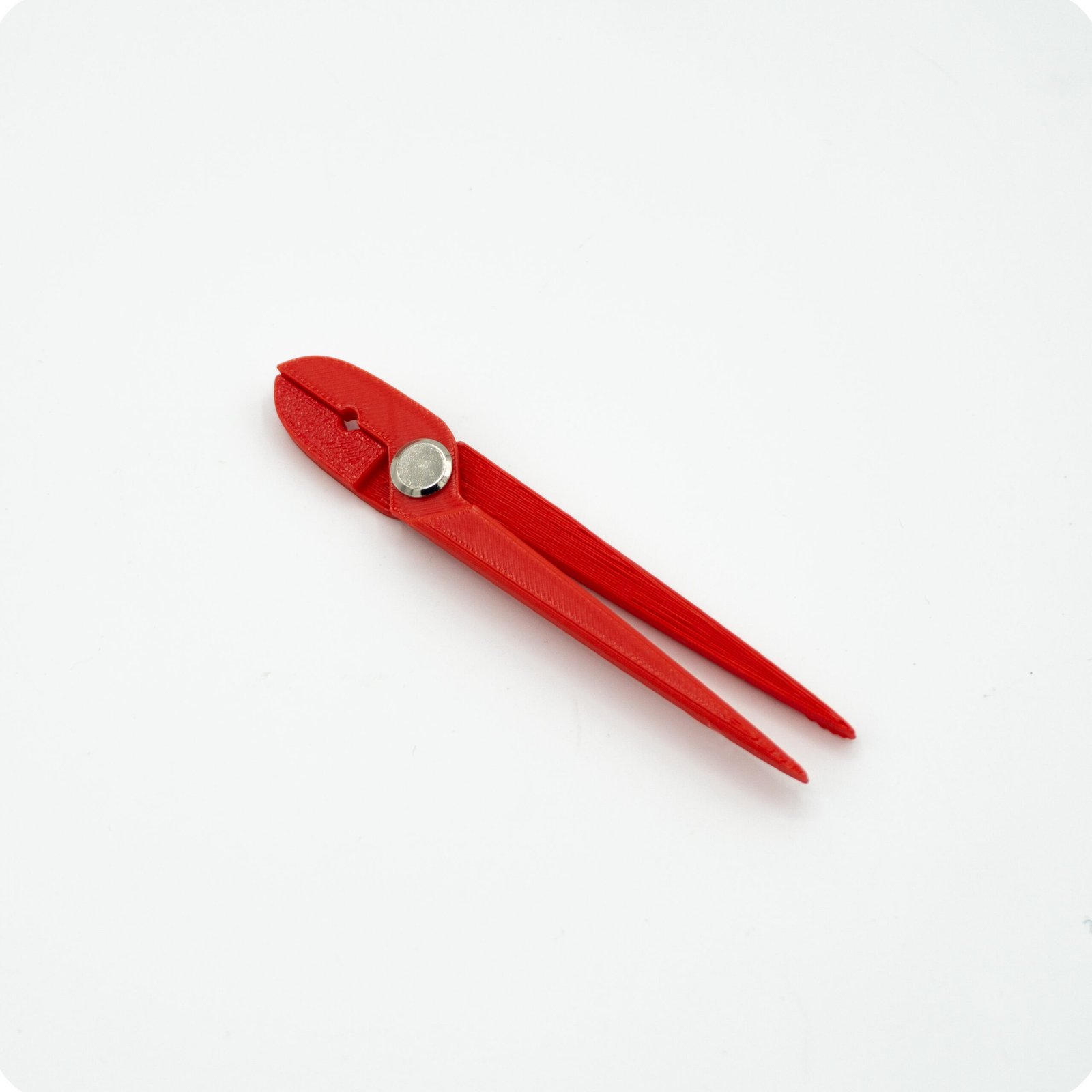
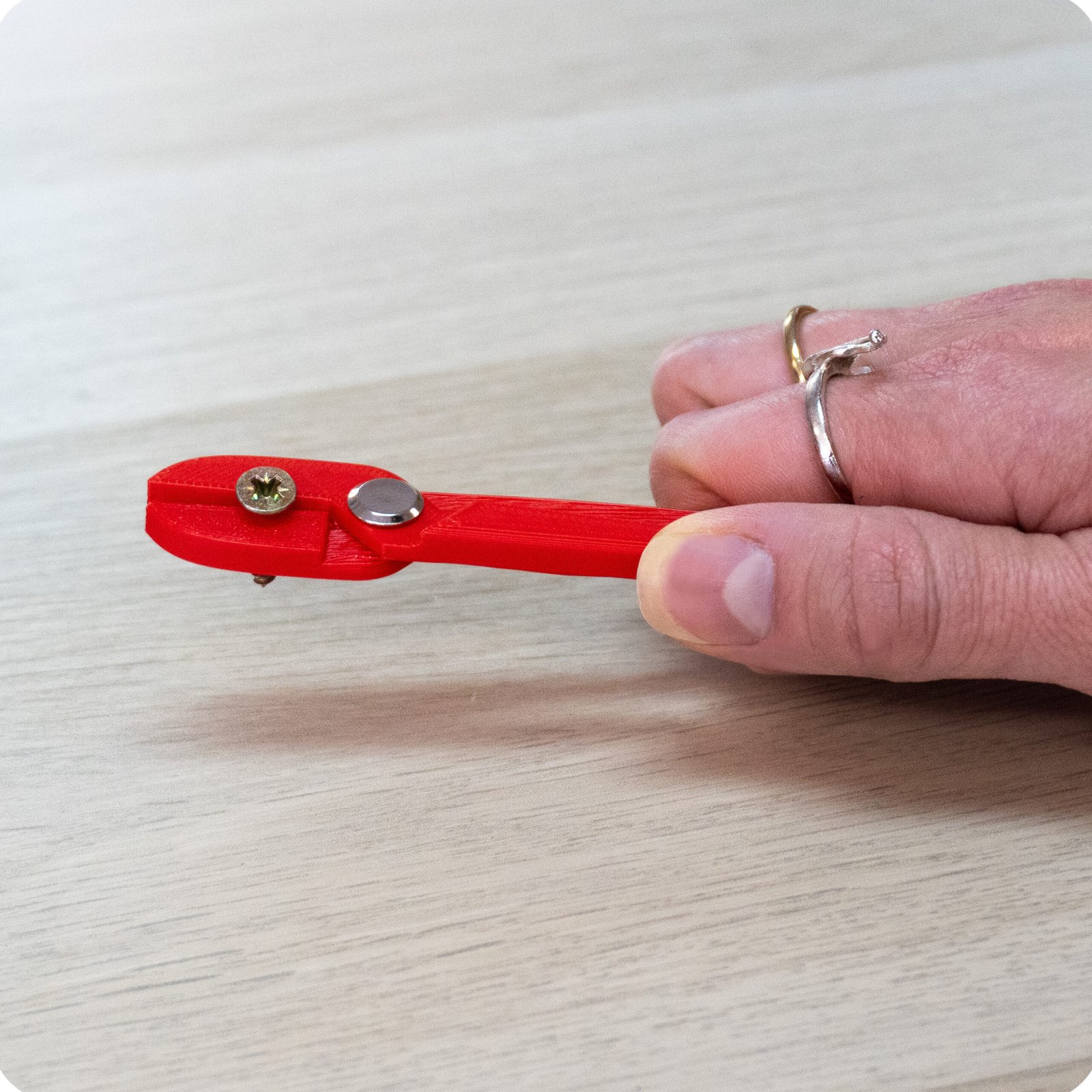
Prótesis de dedos para personas con amputación parcial de uno o varios dedos.
Trésdesis superiores técnicas
Deporte
Dispositivos diseñados para facilitar la práctica deportiva y el acceso al ocio activo de personas con ausencia de extremidad superior. Estas ayudas permiten adaptar equipamiento deportivo y mejorar la participación, autonomía y seguridad en distintas disciplinas deportivas y actividades recreativas.
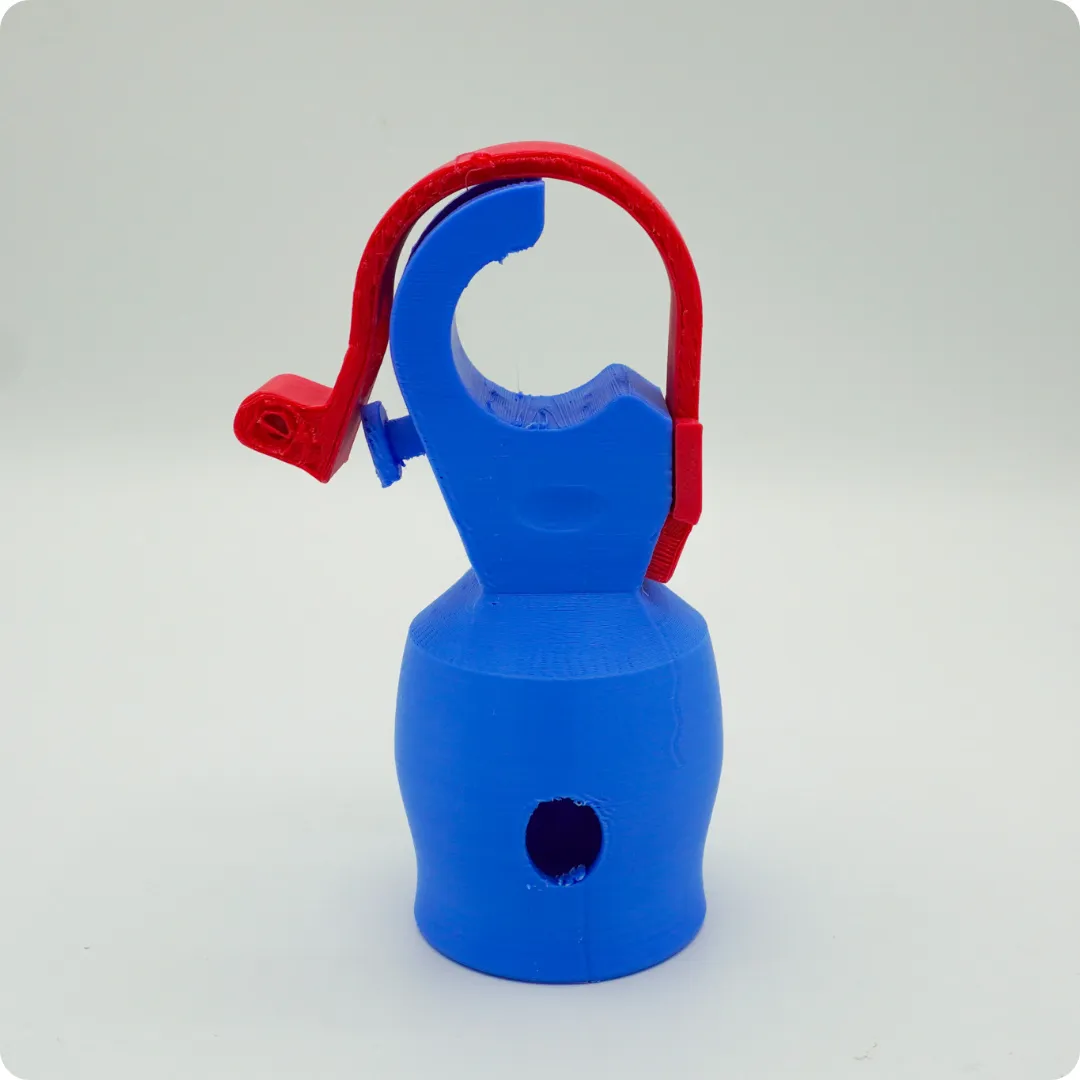
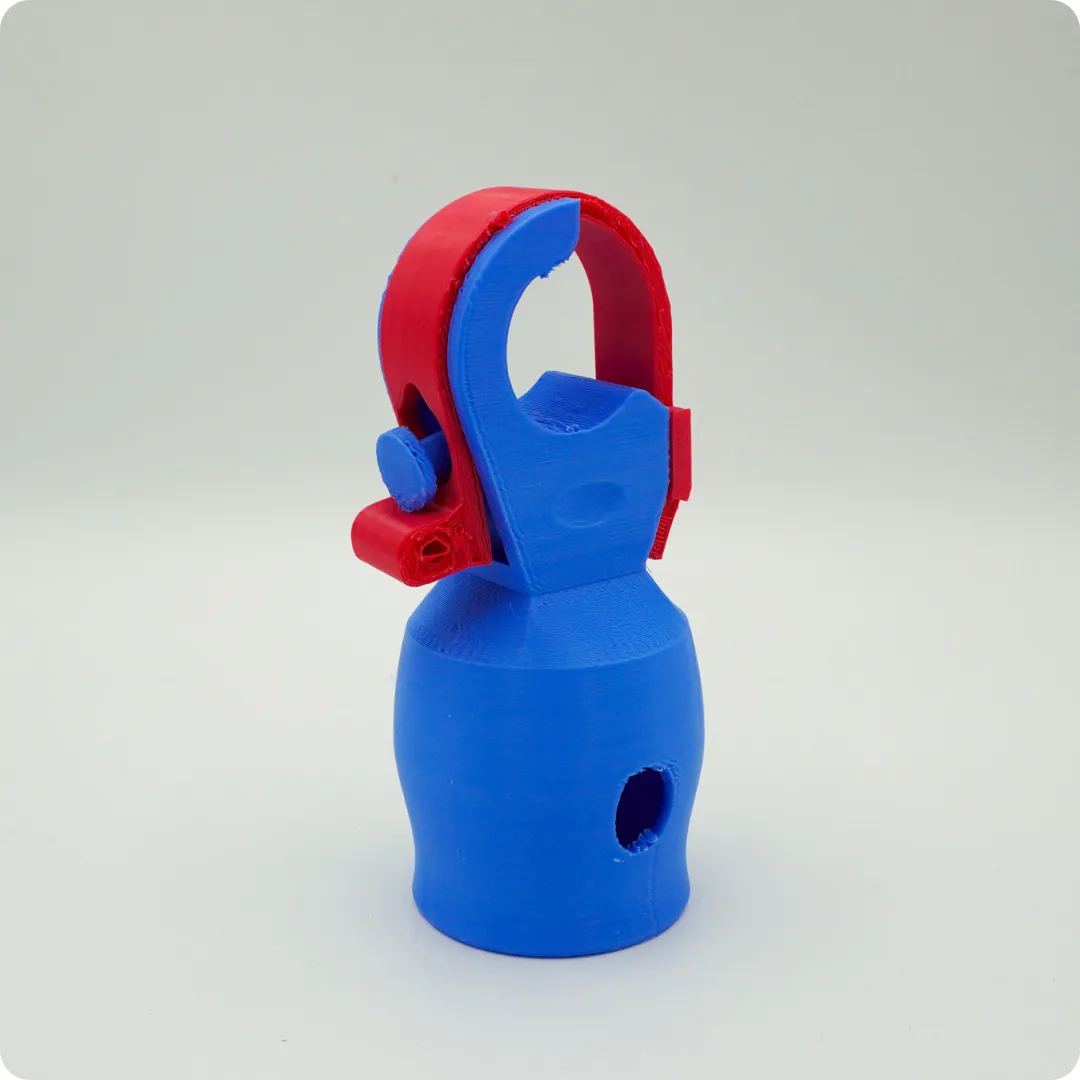
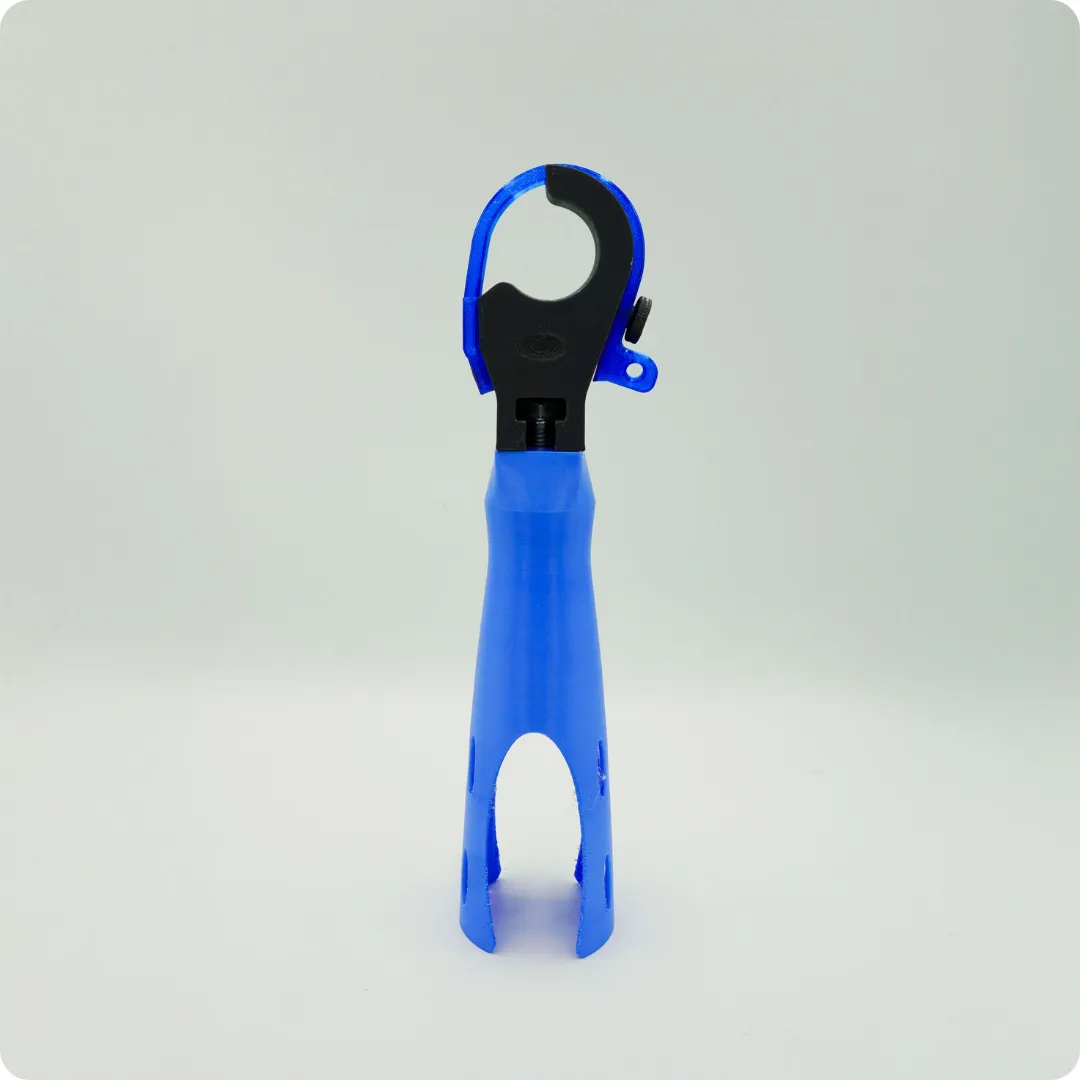
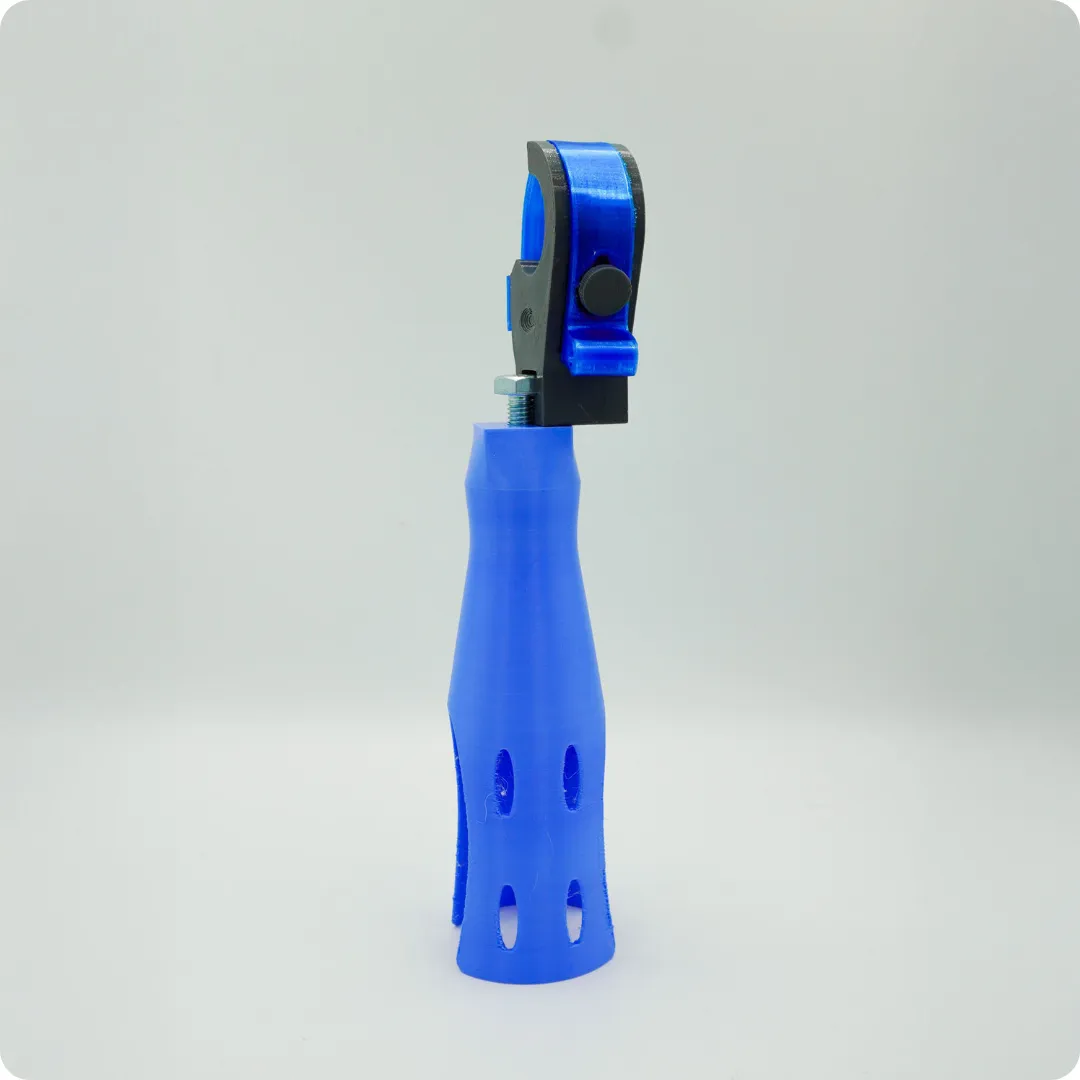
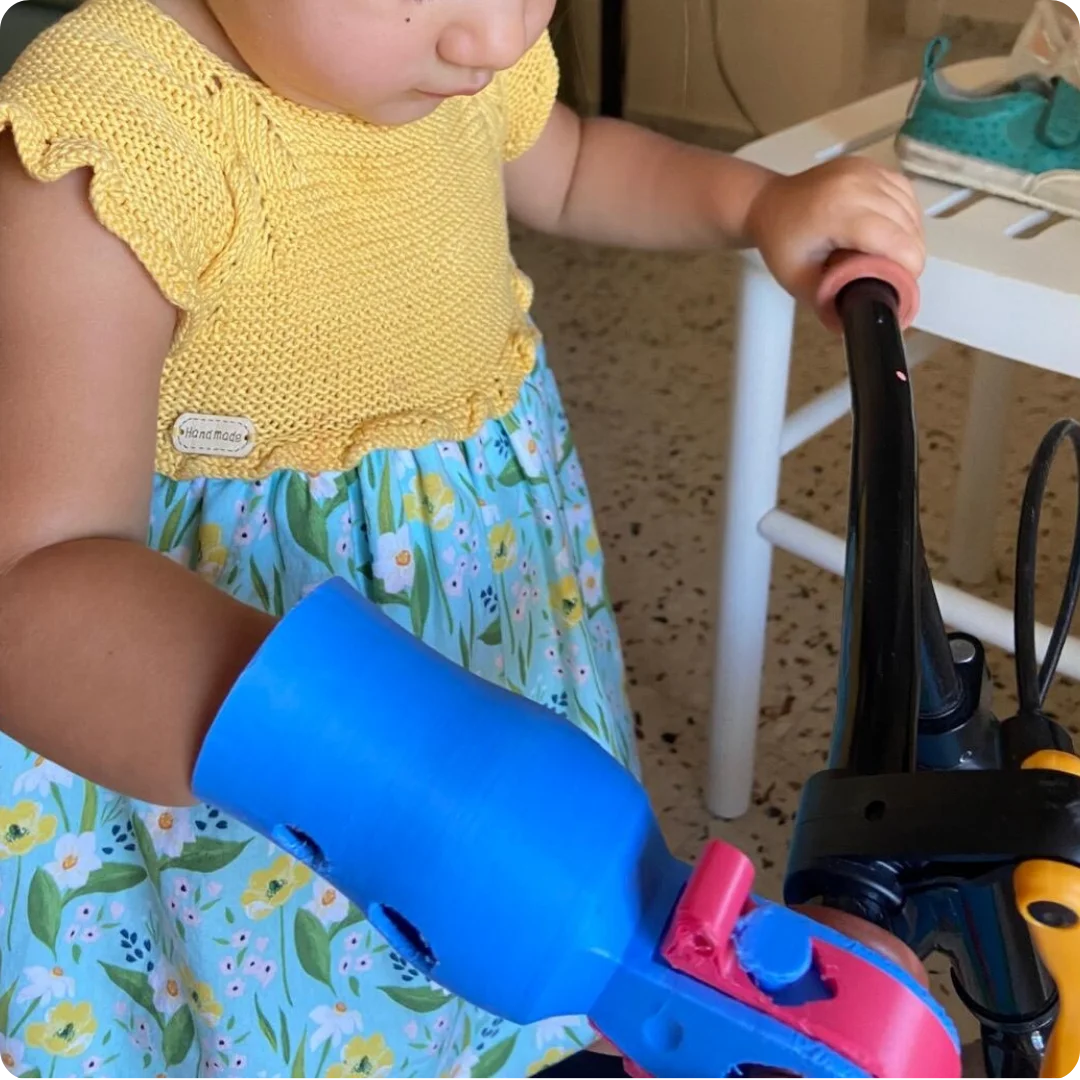
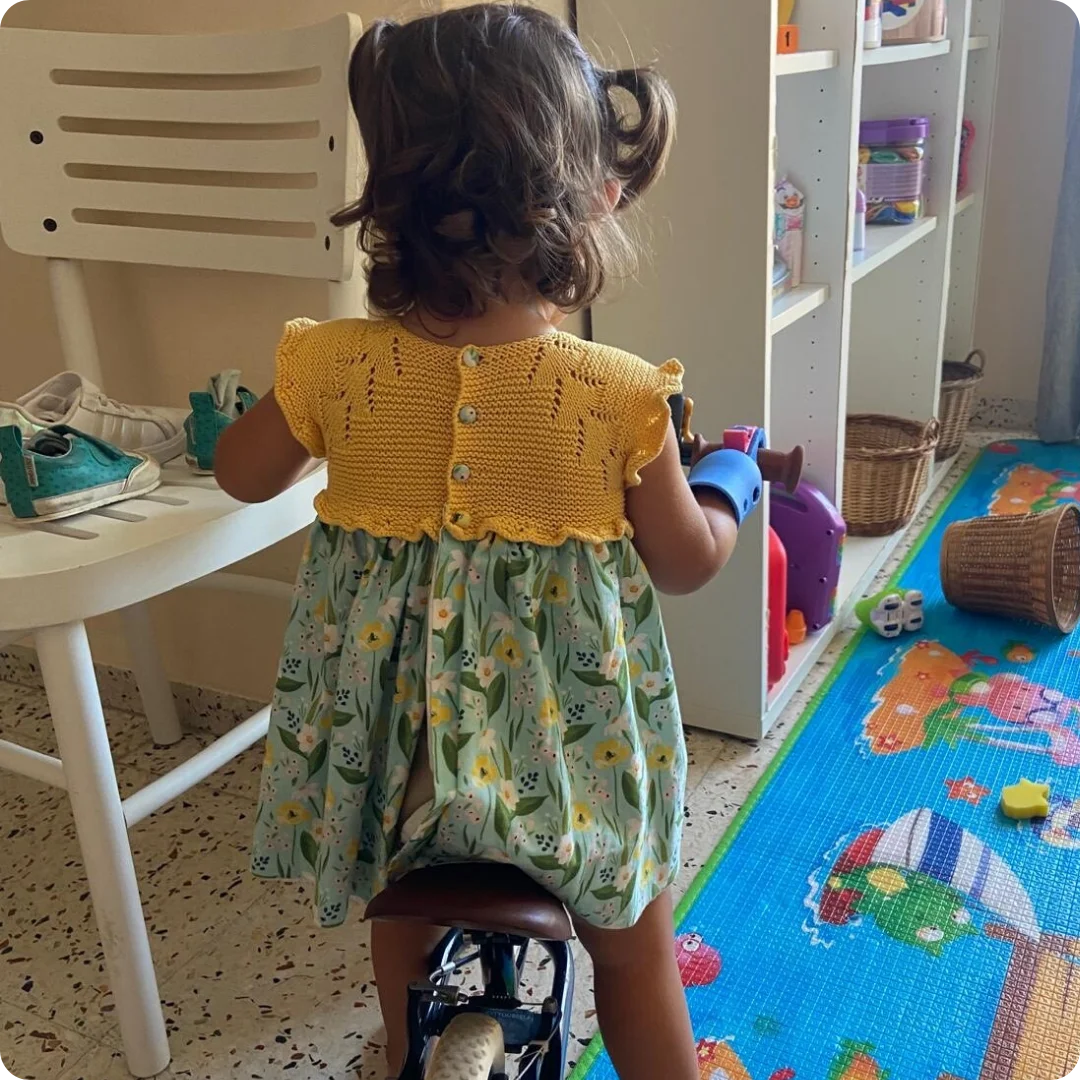
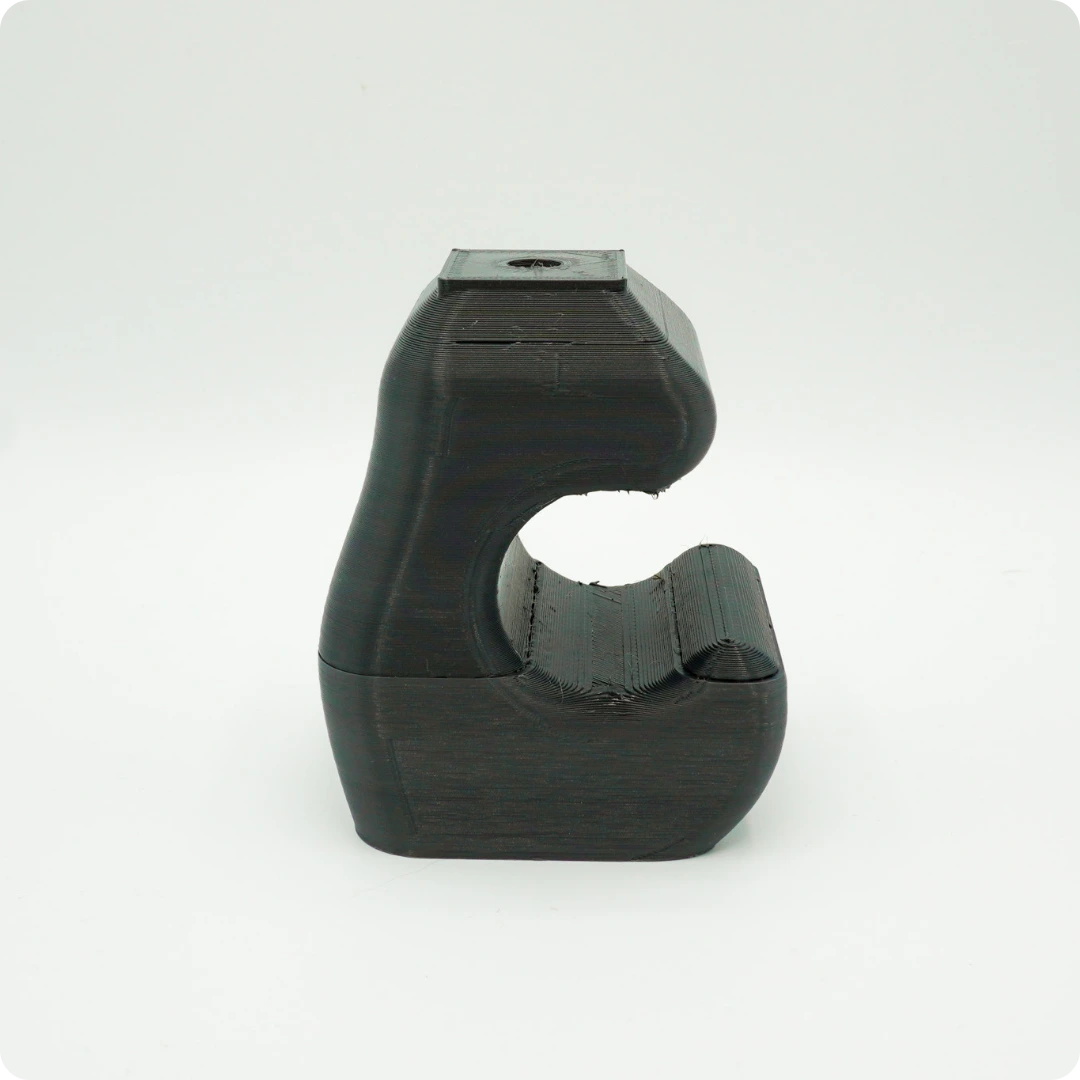
Bicycle/tricycle prosthesis
What is it for?
Complement to attach to the handlebars of a bicycle or tricycle.
How does it work?
The head fastens to the handlebars thanks to its flexible buckle. And depending on the socket you use:
- A finger amputee puts his hand in the short socket to be able to push against the handlebars and not slip. He will be able to remove his hand quickly in case of emergency.
- A transradial amputee should adjust the long socket to his arm and attach it to the head thanks to the safety adjustment that will allow him to release it quickly in case of emergency.
Who can use it?
Persons with amputation or agenesis of the arm or hand.
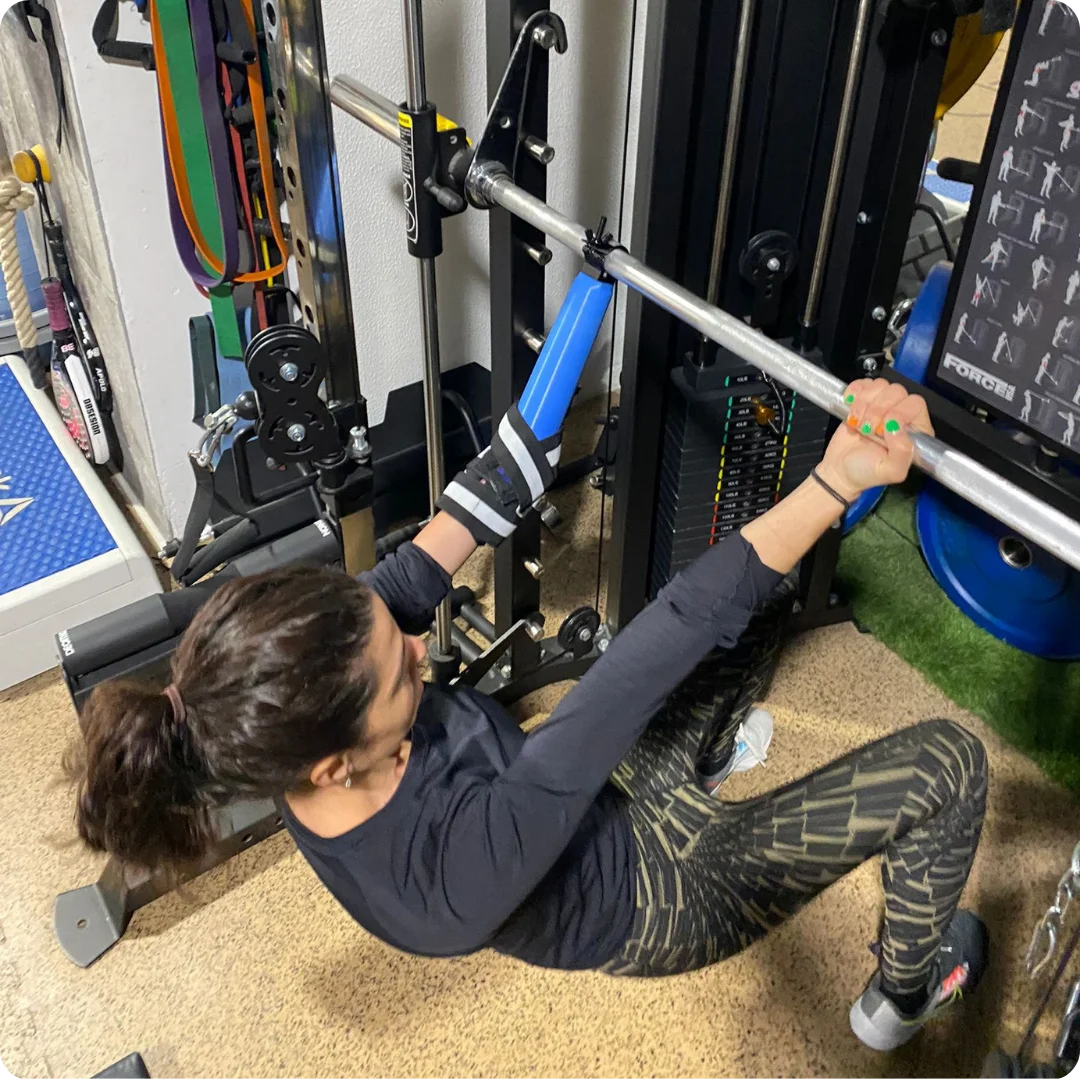
Prostheses for the gym
What is it for?
Complement to perform strength exercises in the gym.
How does it work?
The arm is placed inside the socket and the desired head is adjusted depending on whether you want to hold dumbbells, weights and barbells or rest on the floor.
Who can use it?
Persons with amputation/agenesis of the arm or hand.
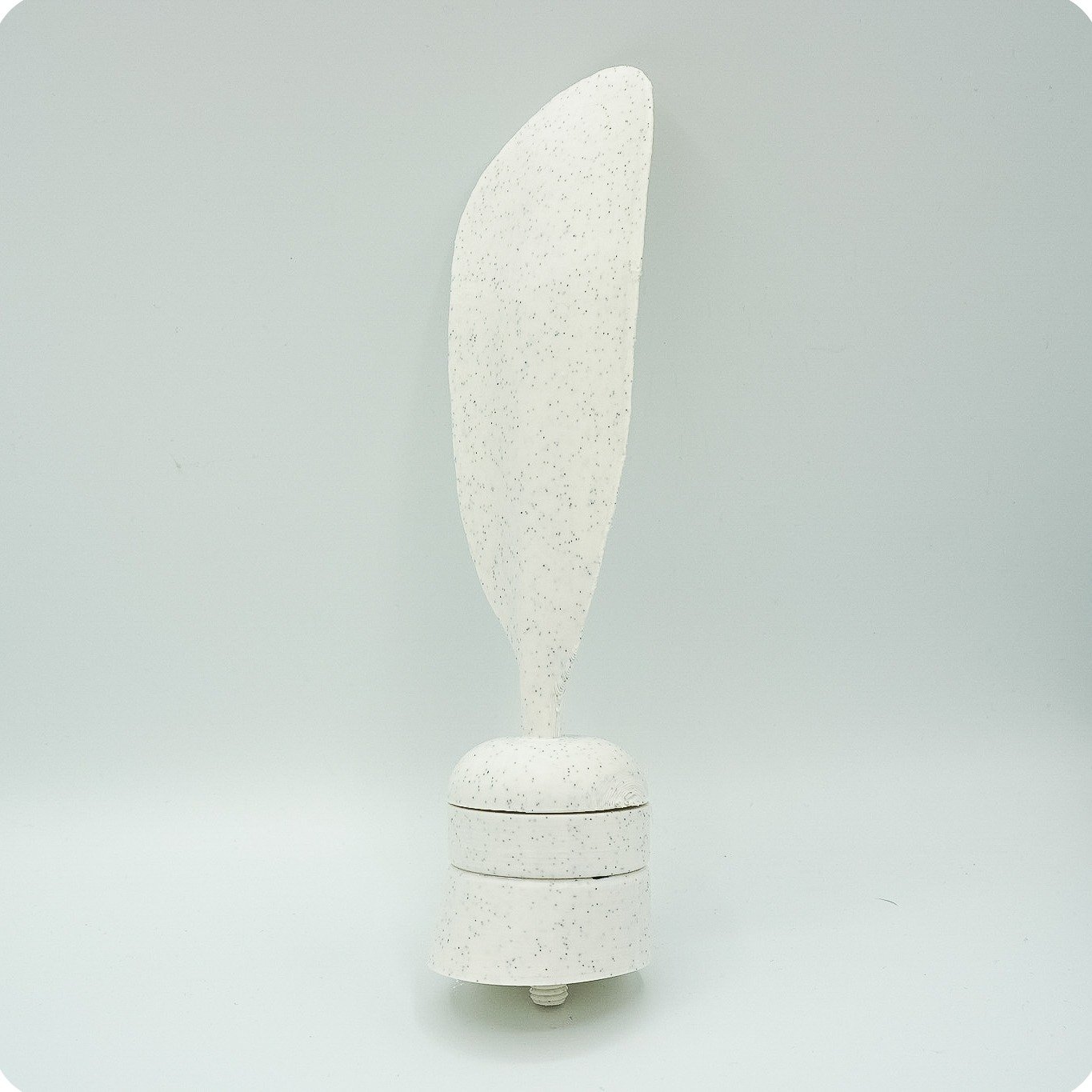
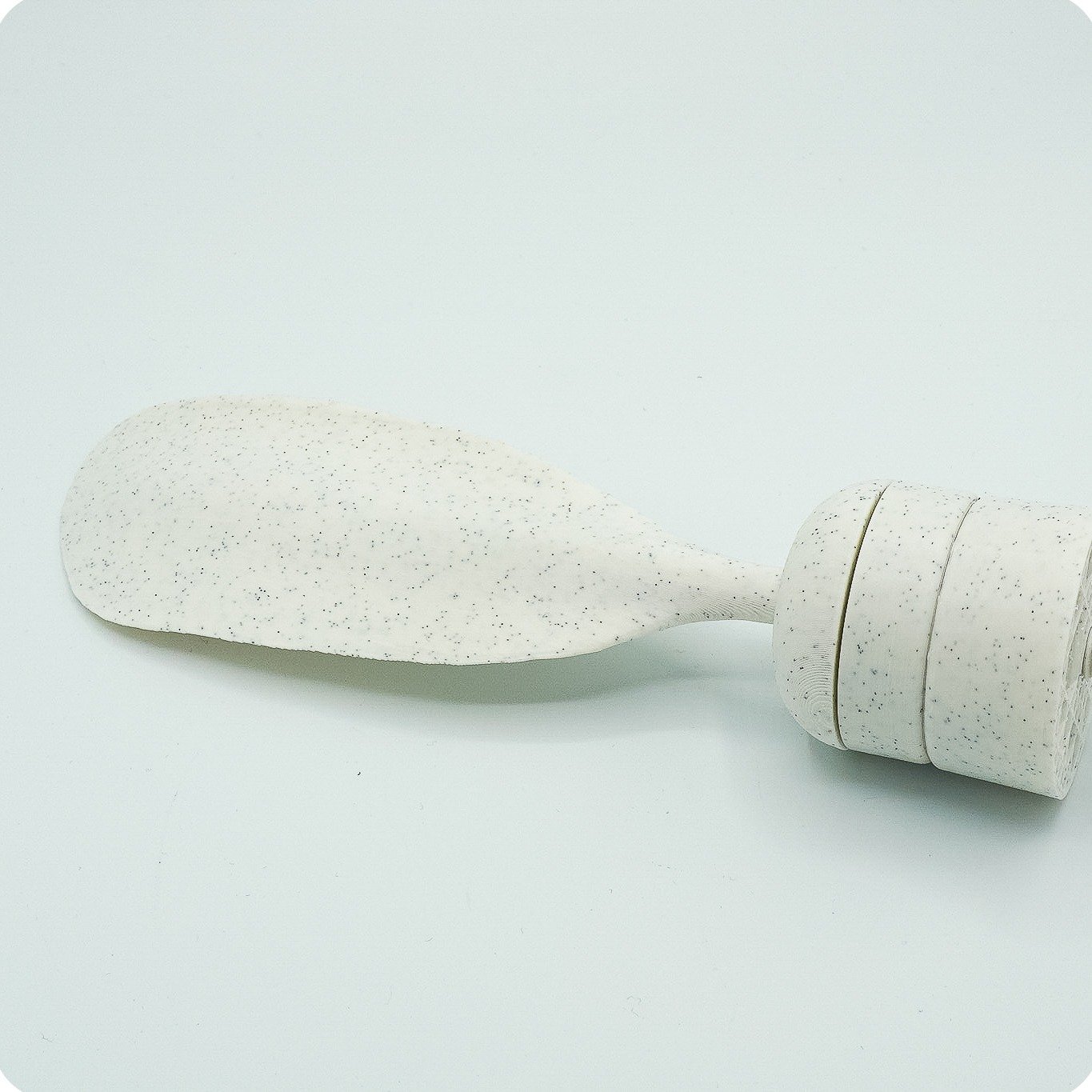
Swimming paddle
What is it for?
Swimming complement.
How does it work?
The arm is placed inside the device and the paddle helps propel it through the water.
Who can use it?
Persons with amputation/agenesis of the arm or hand.
Yoga prosthesis
What is it for?
Complement to support yourself on the floor and perform the different yoga postures.
How does it work?
The arm is placed inside the socket and the heads allow to rest on the floor. These heads are interchangeable and have different sizes to facilitate the realization of exercises on the floor, either with the arms stretched to support the hands or with the arms bent to support the elbows.
Who can use it?
Persons with amputation or agenesis of the arm or hand.
Tareas y vida cotidiana
Dispositivos diseñados para facilitar actividades de la vida diaria y aumentar la autonomía personal en tareas cotidianas. Incluyen adaptaciones funcionales para acciones como cocinar, escribir, utilizar herramientas, manipular objetos, trabajar, estudiar o realizar actividades de ocio, mejorando la independencia y calidad de vida de las personas usuarias
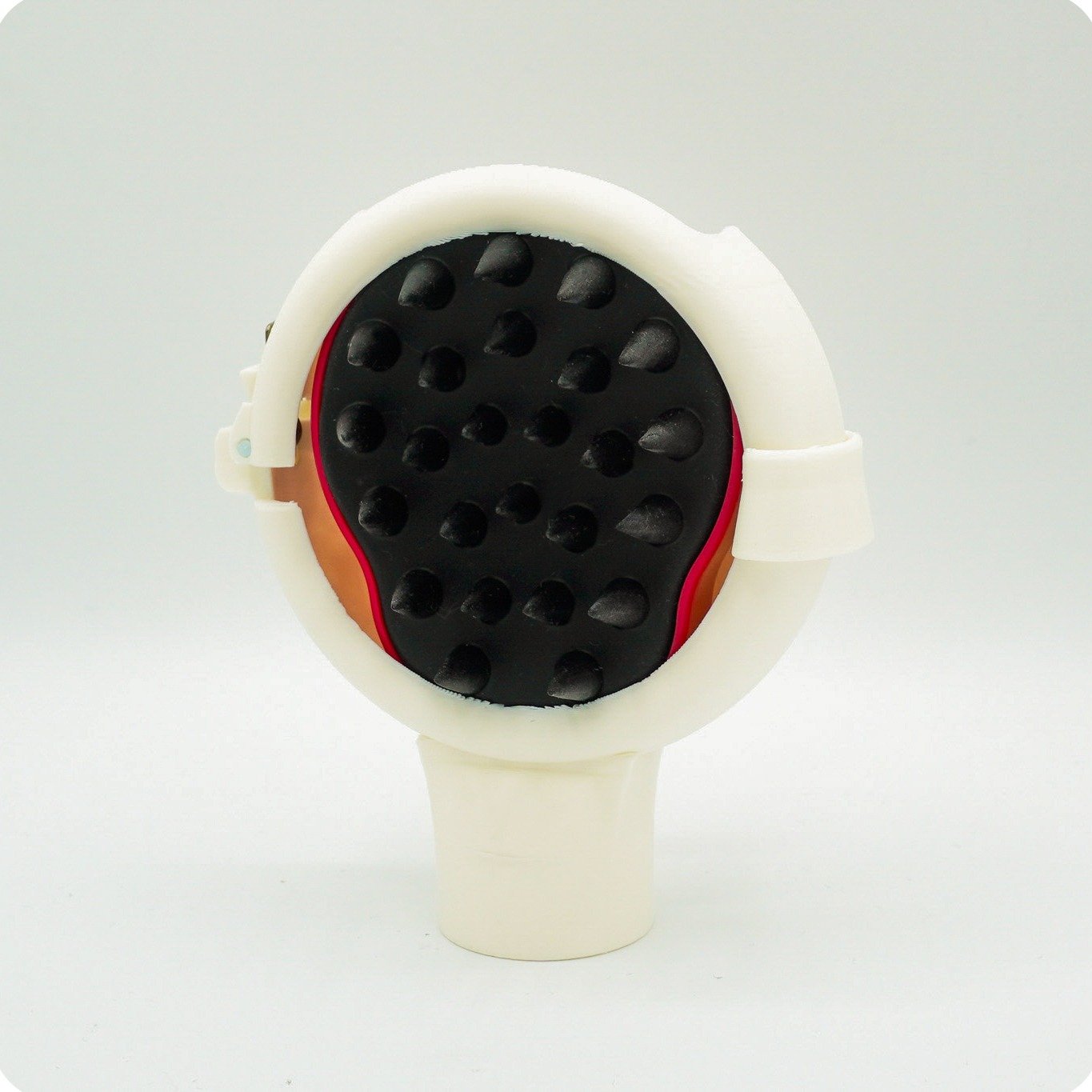
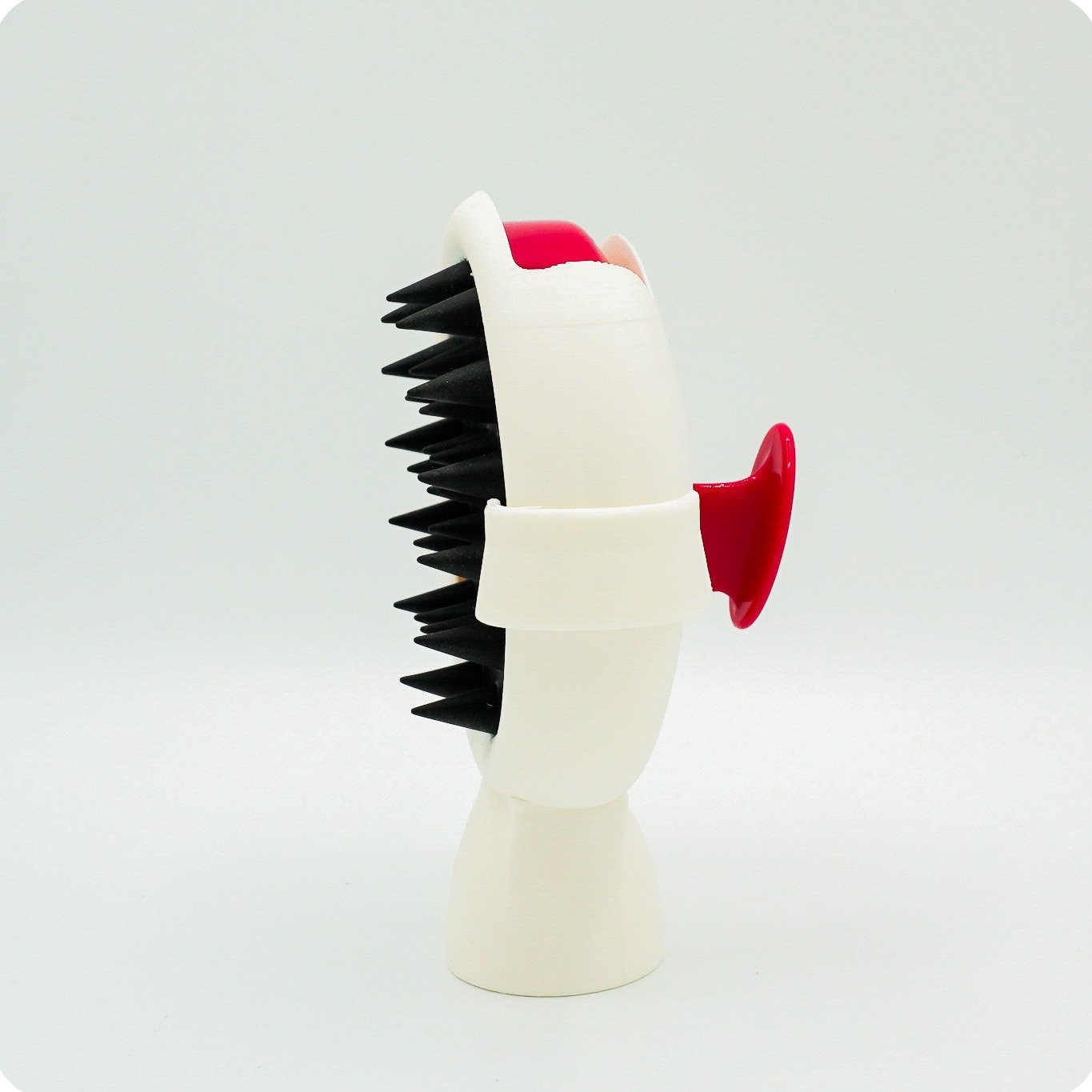
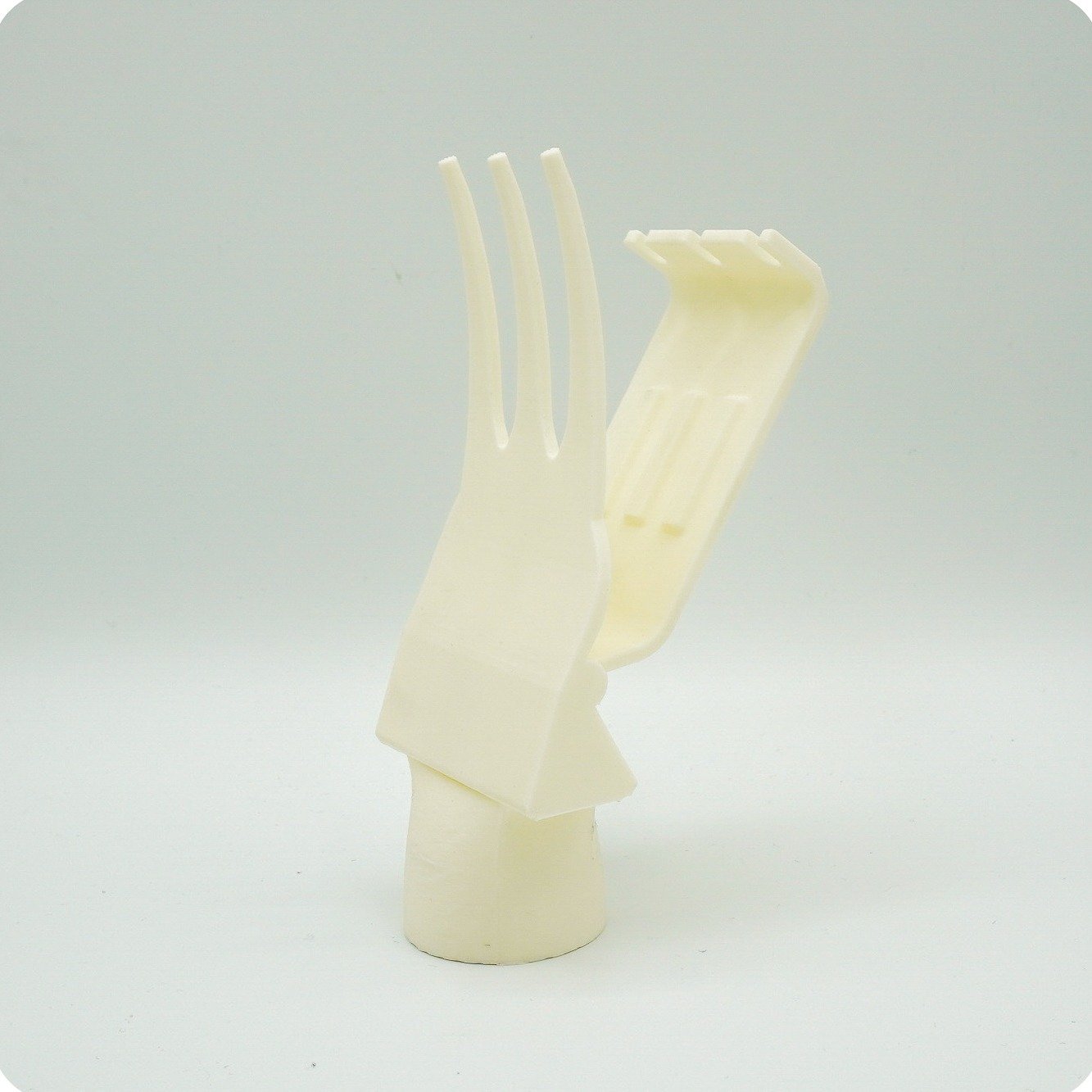
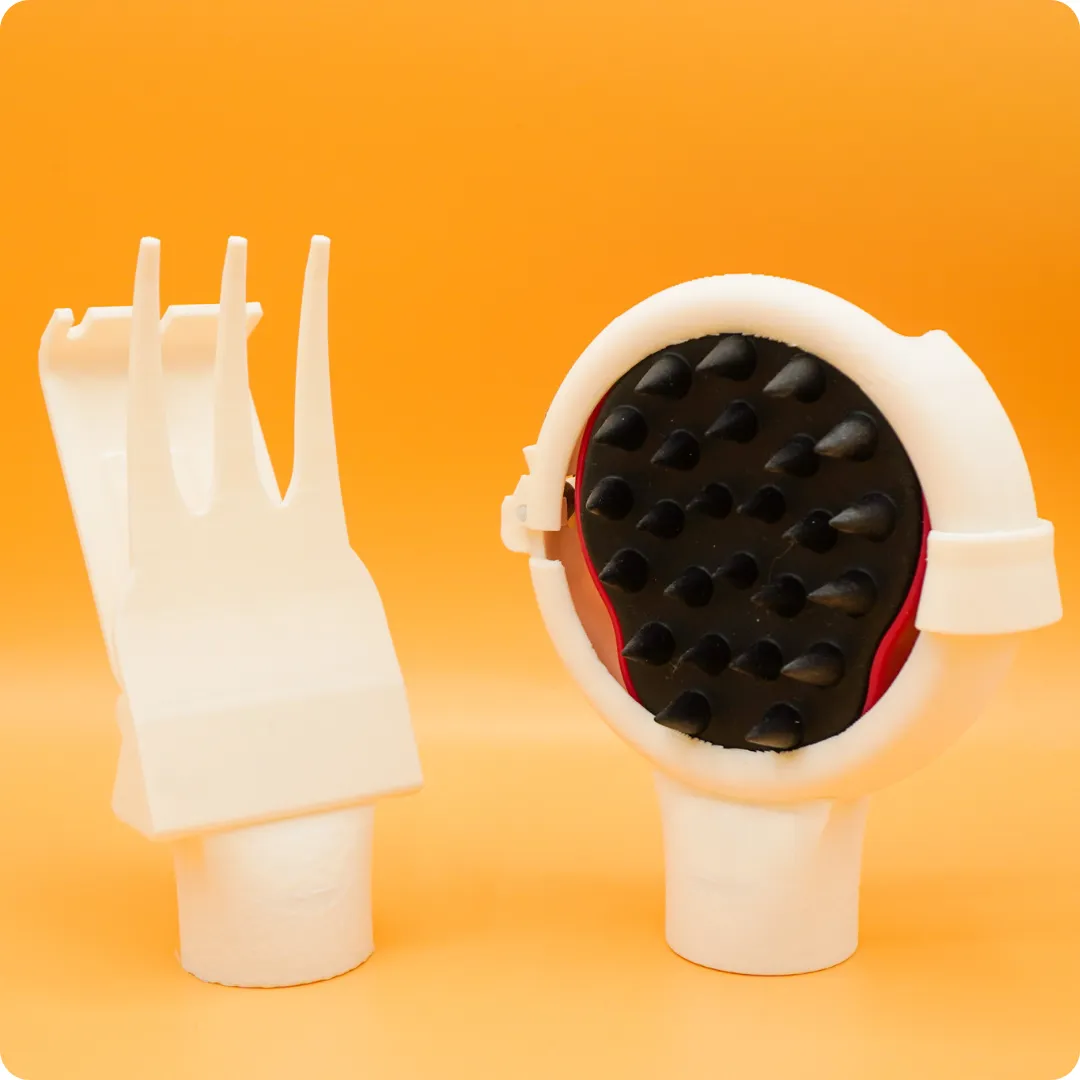
Shower prosthesis
What is it for?
These are two aids for holding a sponge and a scalp brush.
How does it work?
The arm is placed inside the socket and with the heads the person can lather with the sponge and/or wash his/her hair with the brush. It can be used at the same time, in case of double amputation, or separately.
Who can use it?
Persons with amputation or agenesis of the arm or hand.
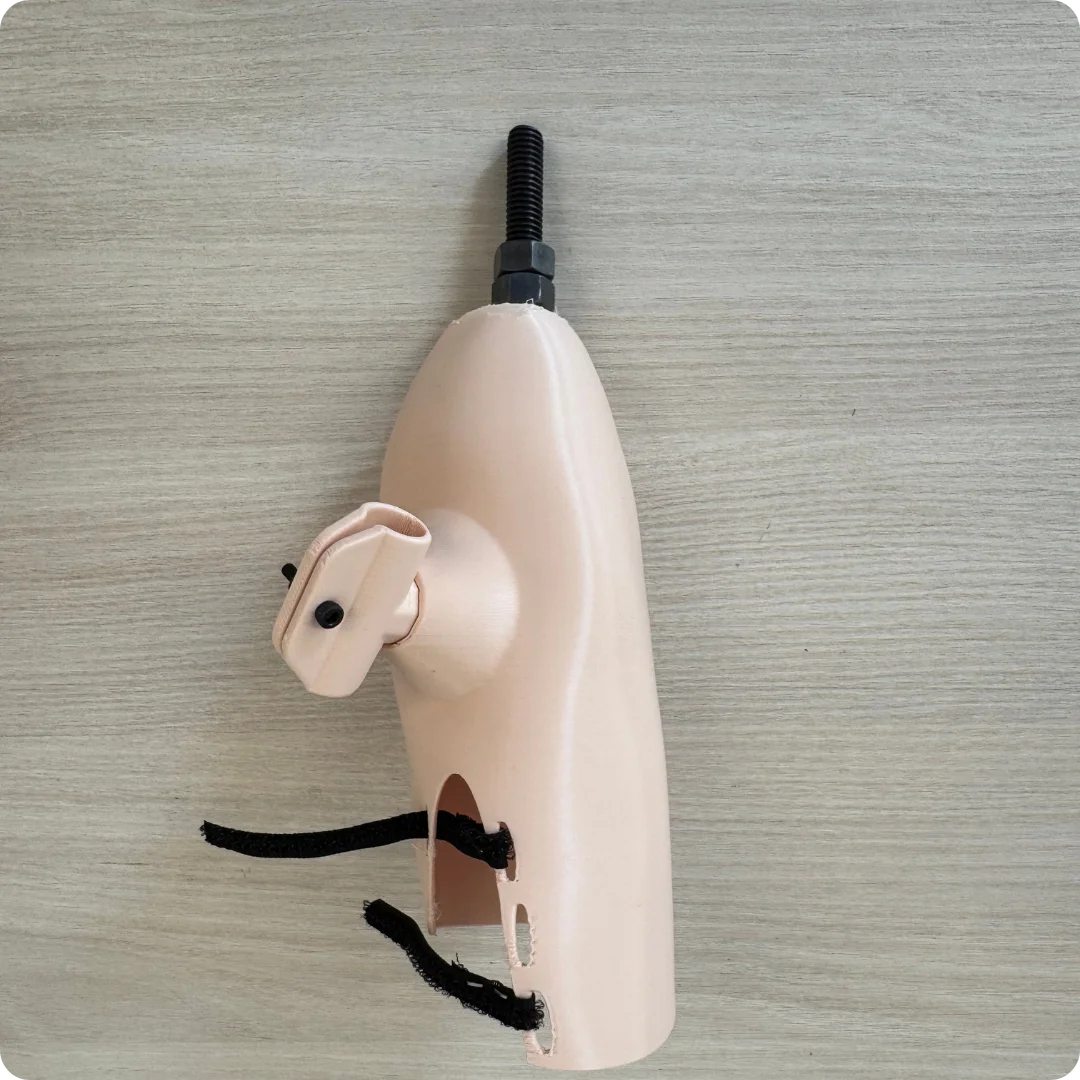
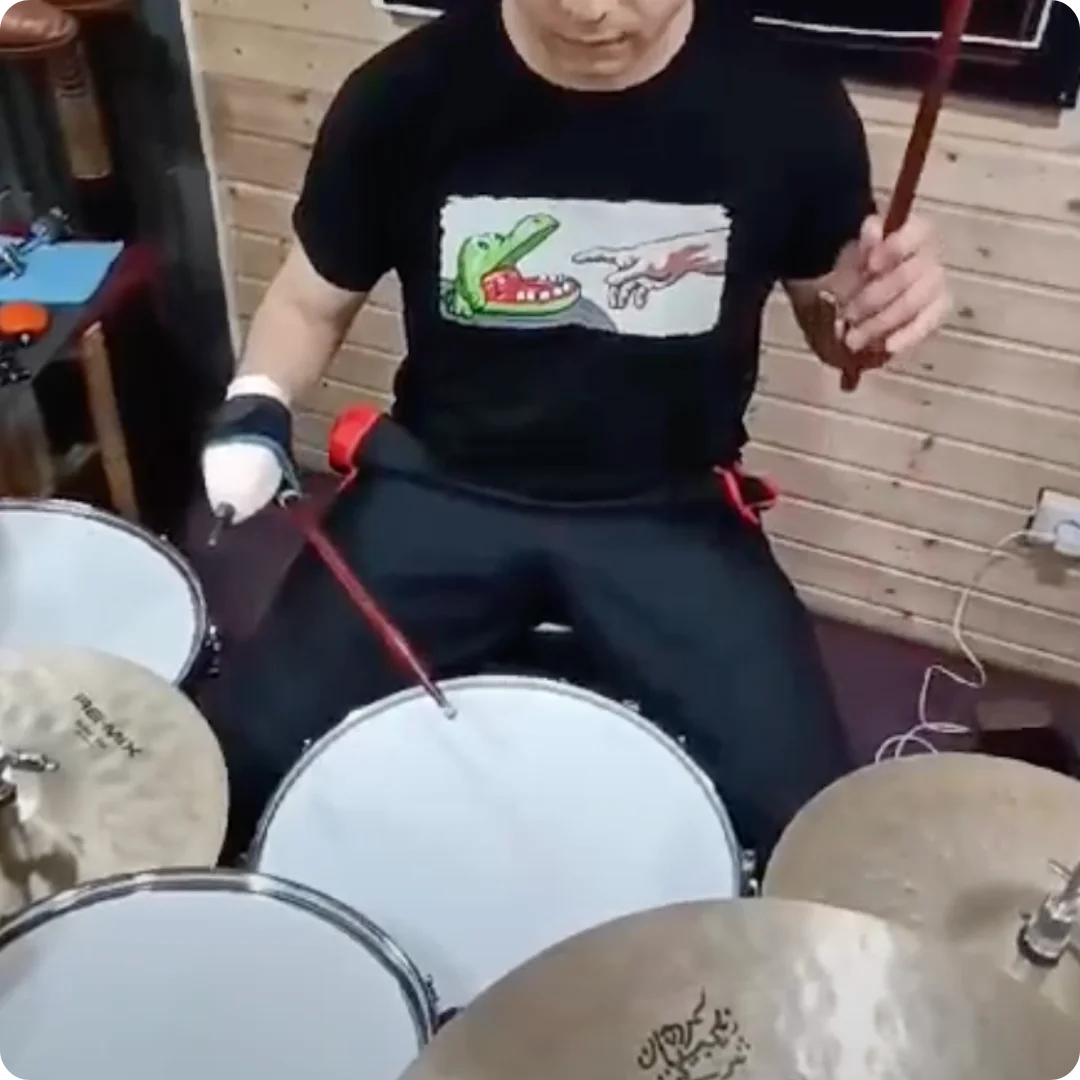
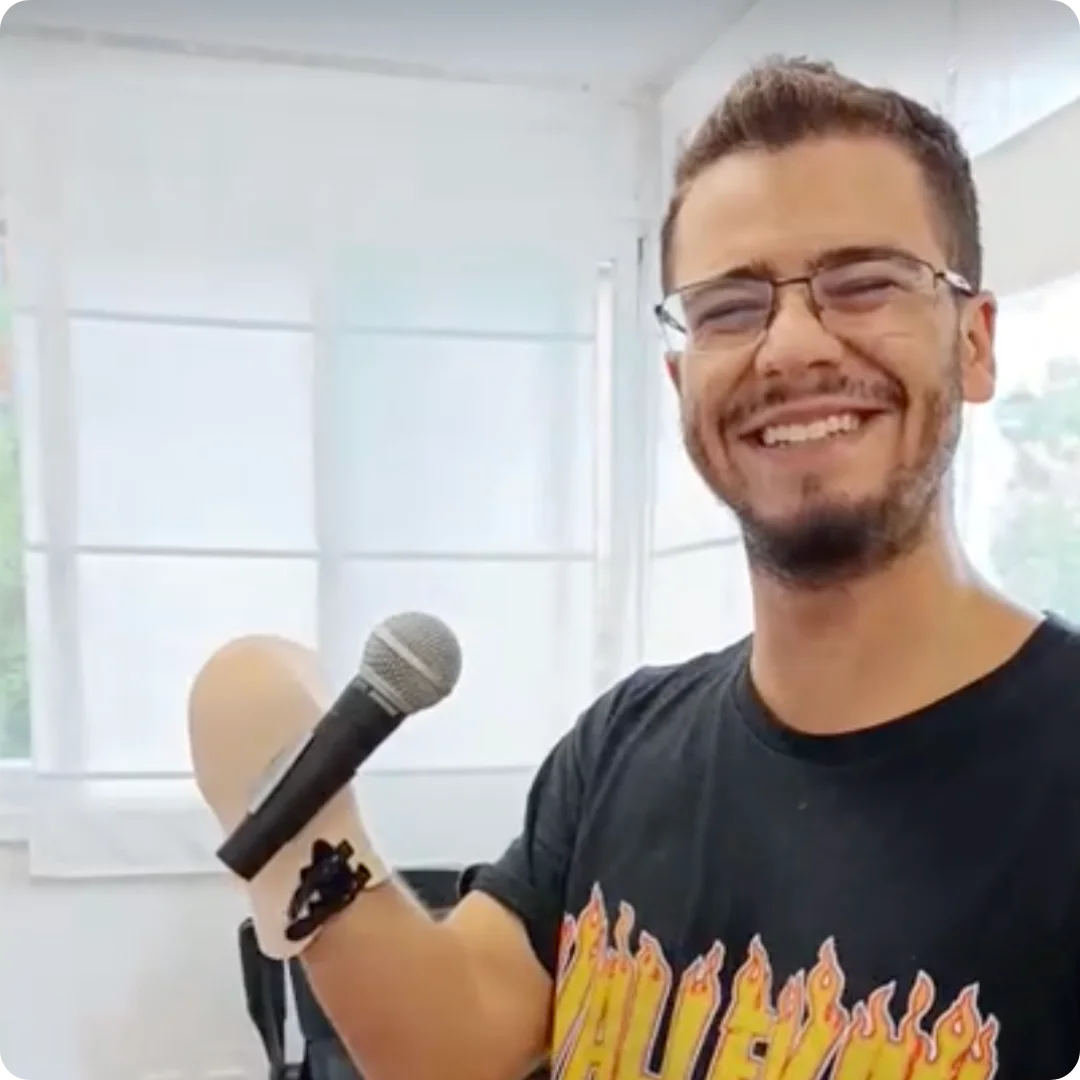
Music prostheses
What is it for?
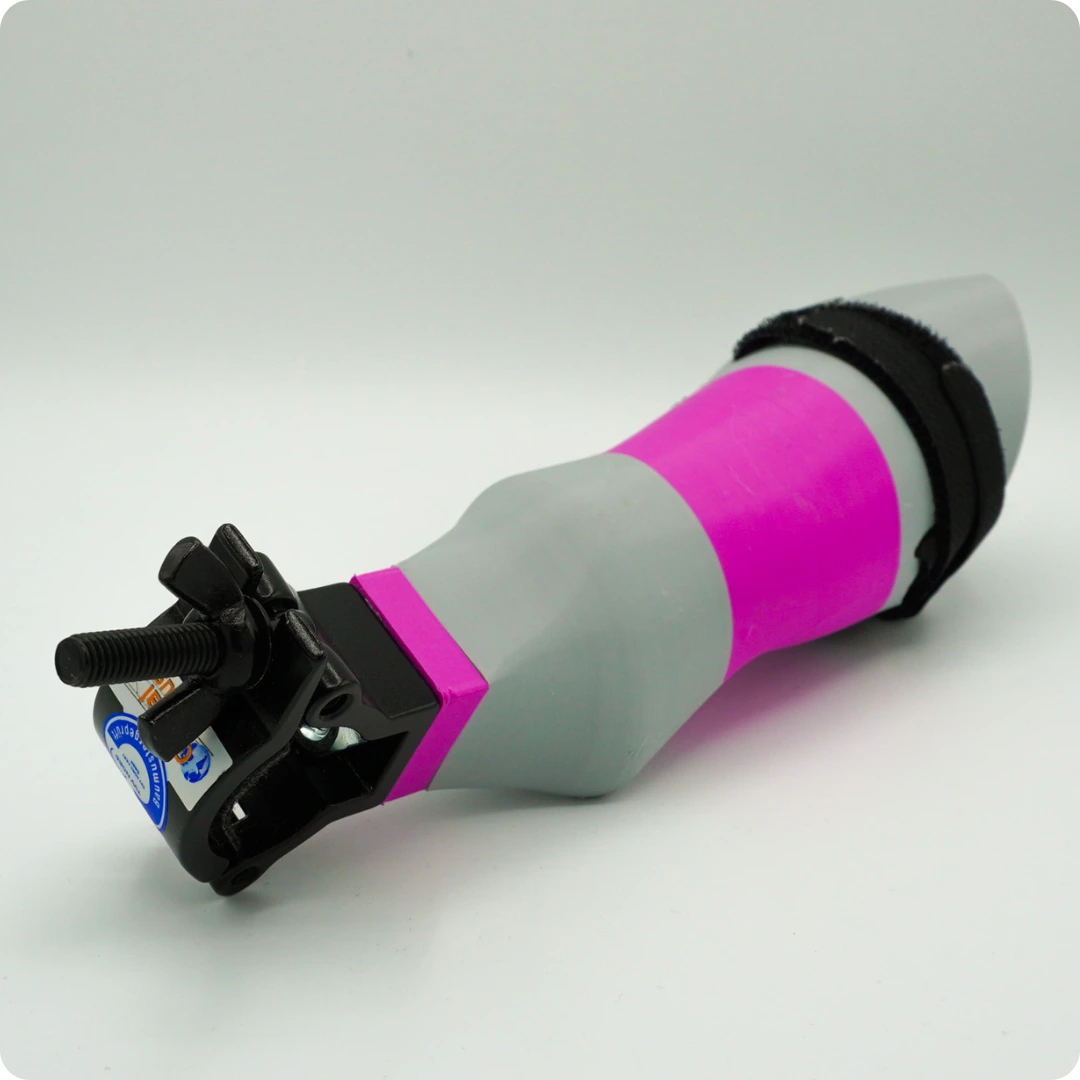
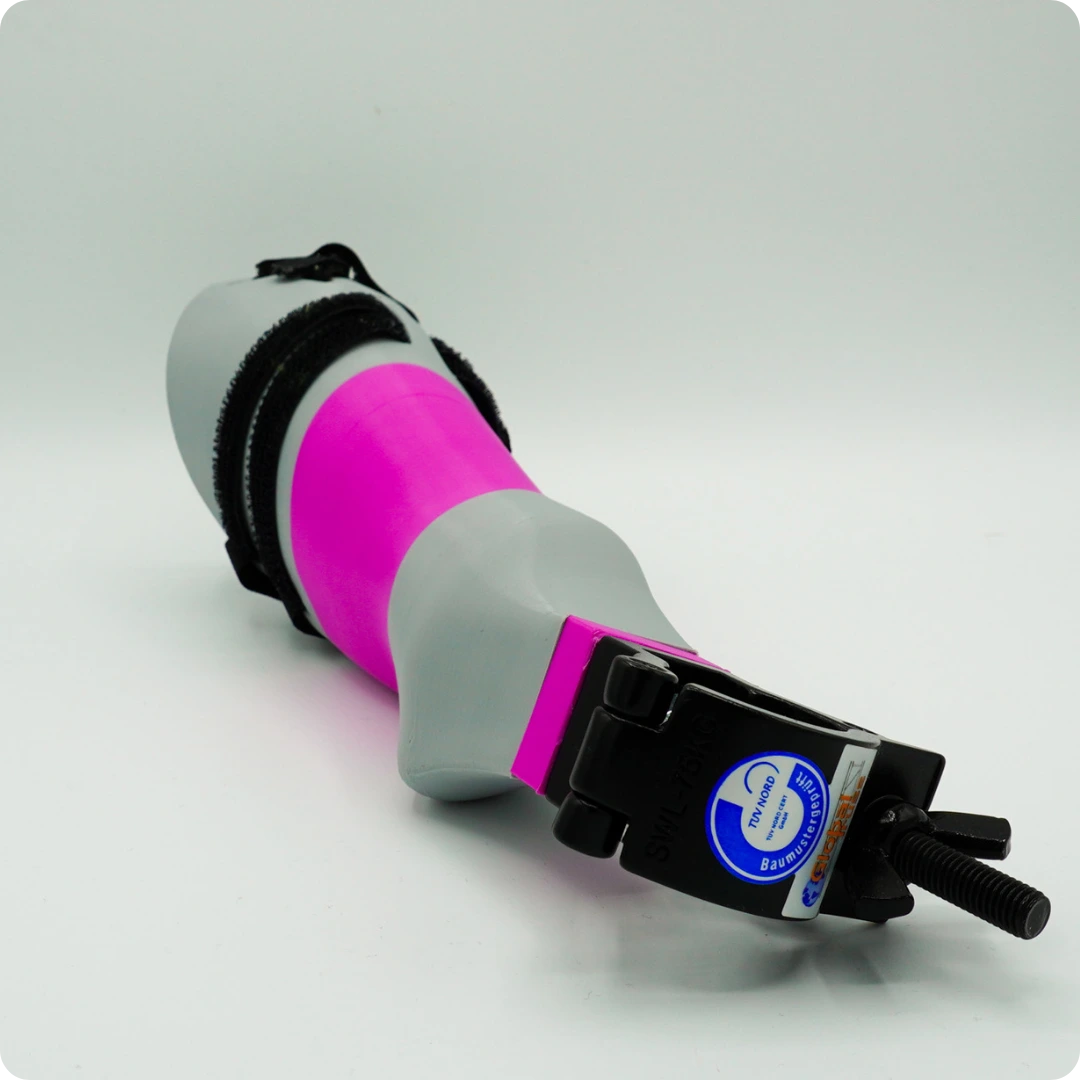
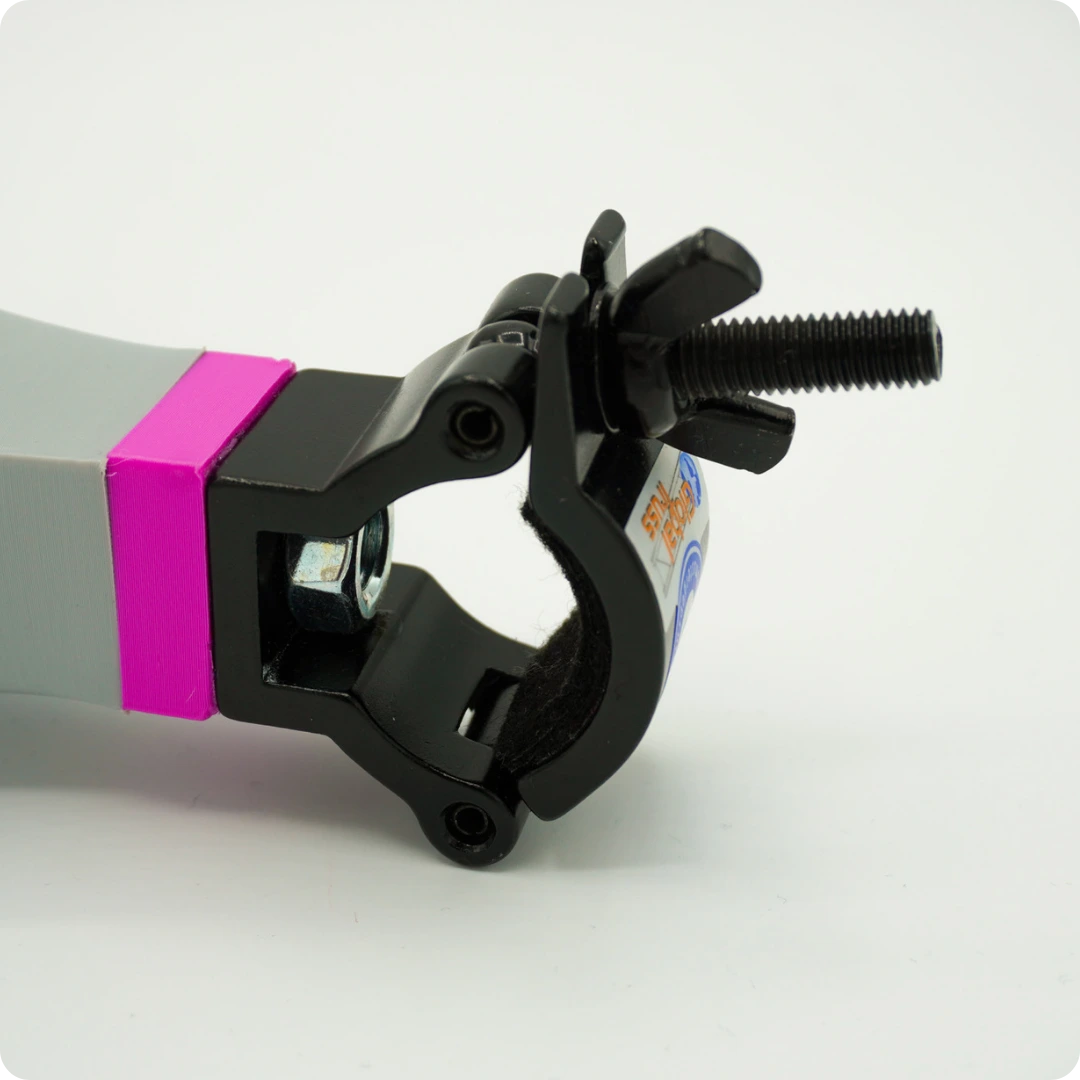
Prosthesis to hold a microphone or a drum stick.
How does it work?
The hand is placed inside the socket and at the top it has a special screw to adjust a microphone clamp. While on one side it has a piece to hold a drumstick and that allows it to be placed at different angles depending on the desired opening.
Who can use it?
People with amputation or agenesis of the fingers.
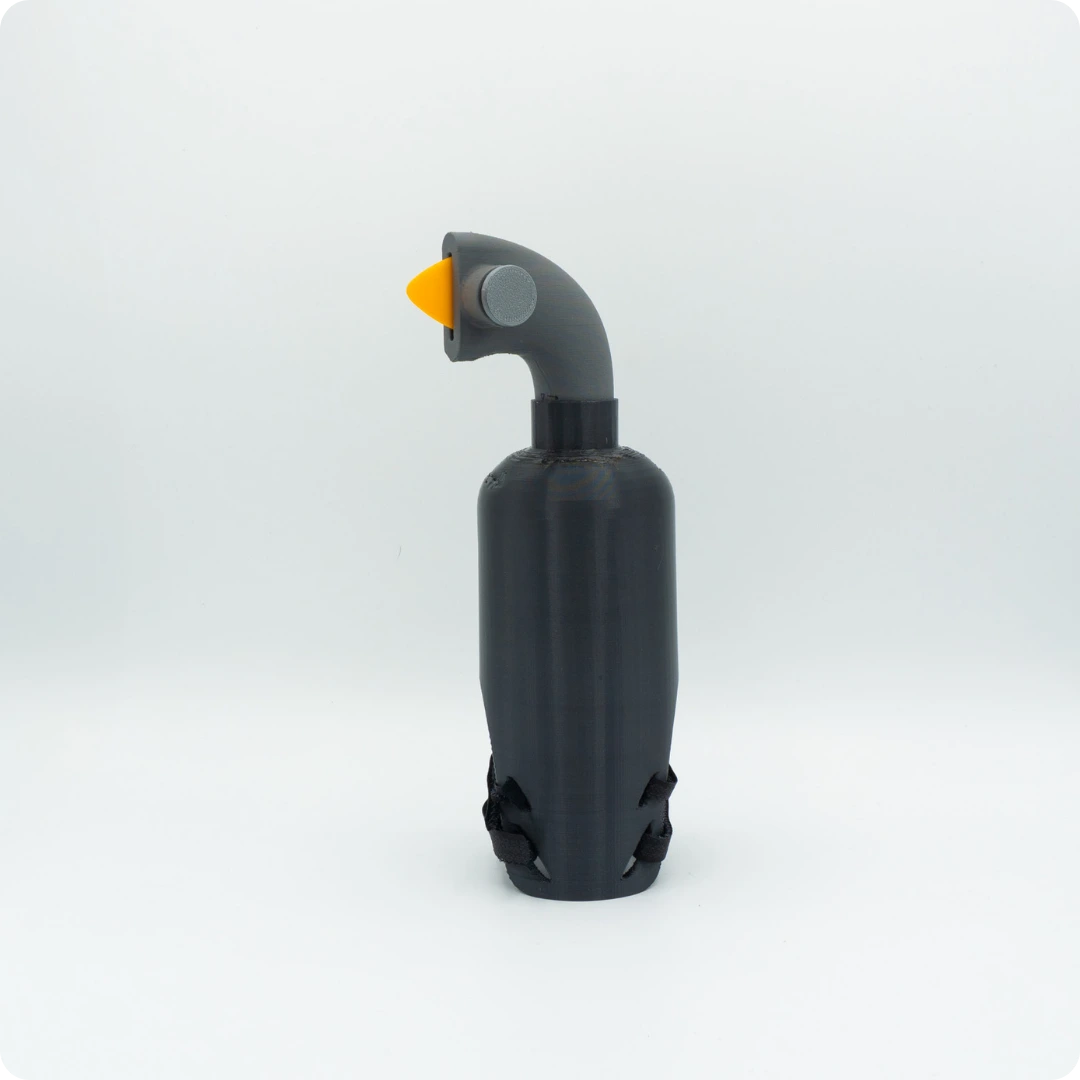
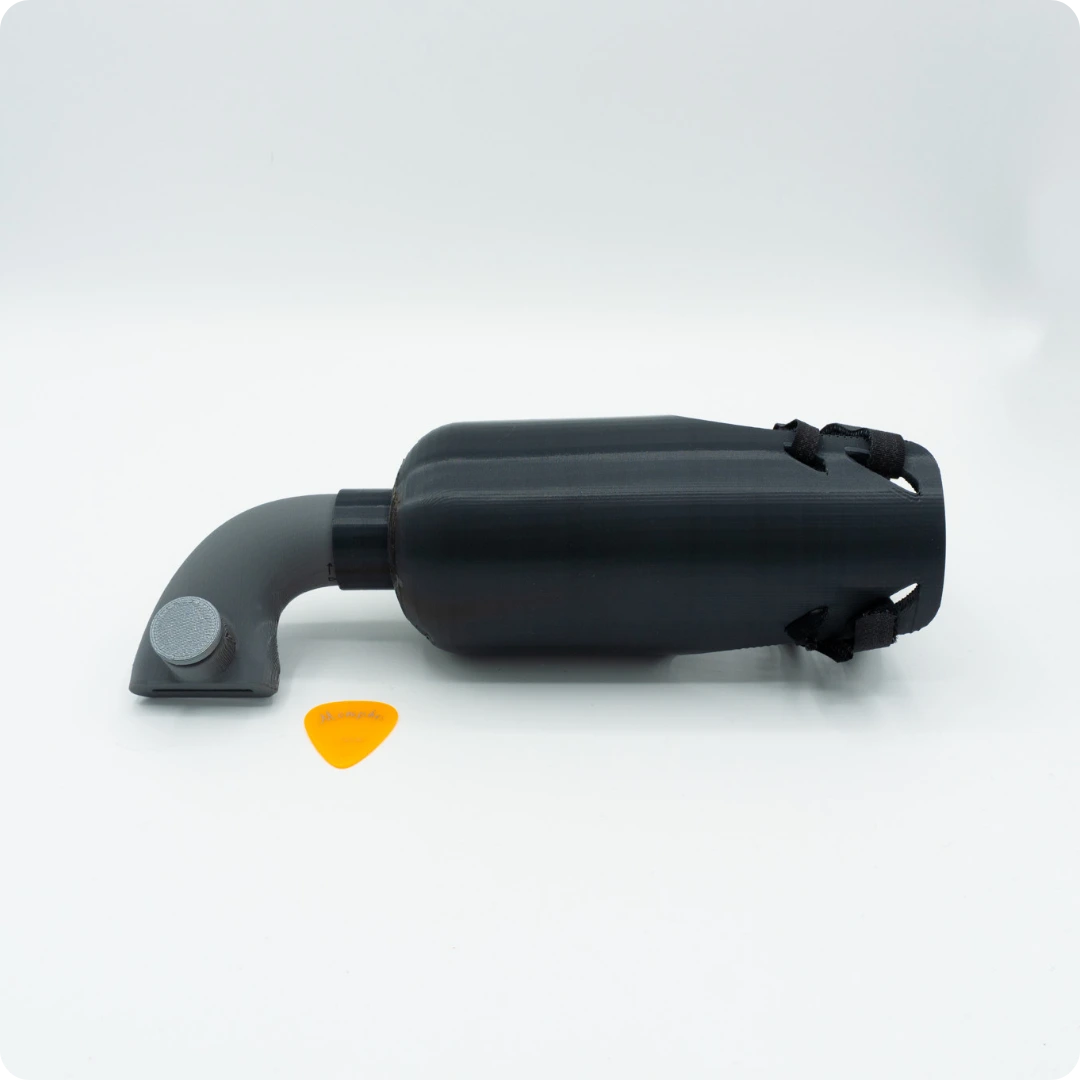
Prótesis para tocar la guitarra
What is it for?
Prótesis para sujetar una púa.
How does it work?
La mano se coloca dentro del encaje y en la parte superior lleva un tornillo especial para ajustar la púa con la que se desee tocar la guitarra.
Who can use it?
People with amputation or agenesis of the fingers.
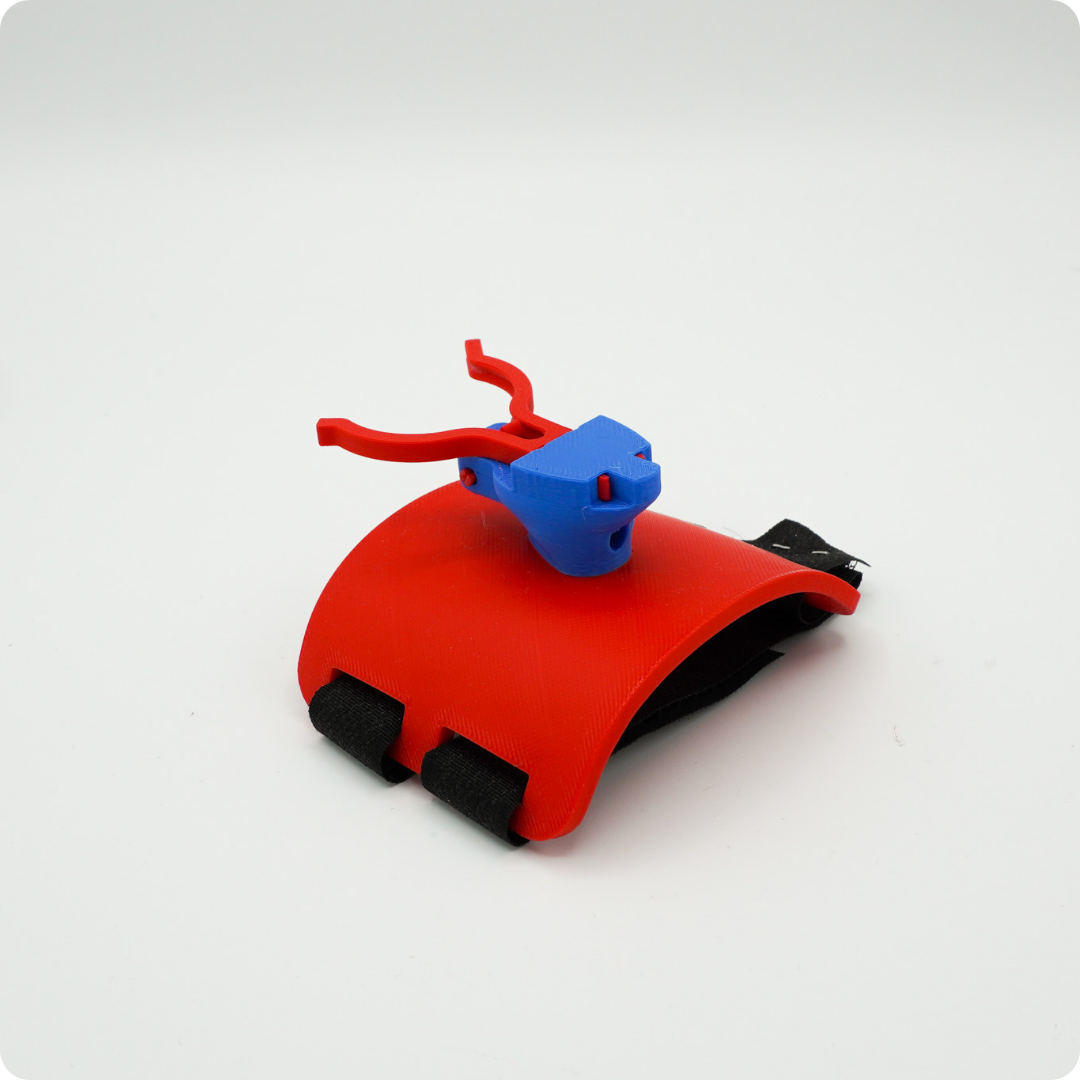
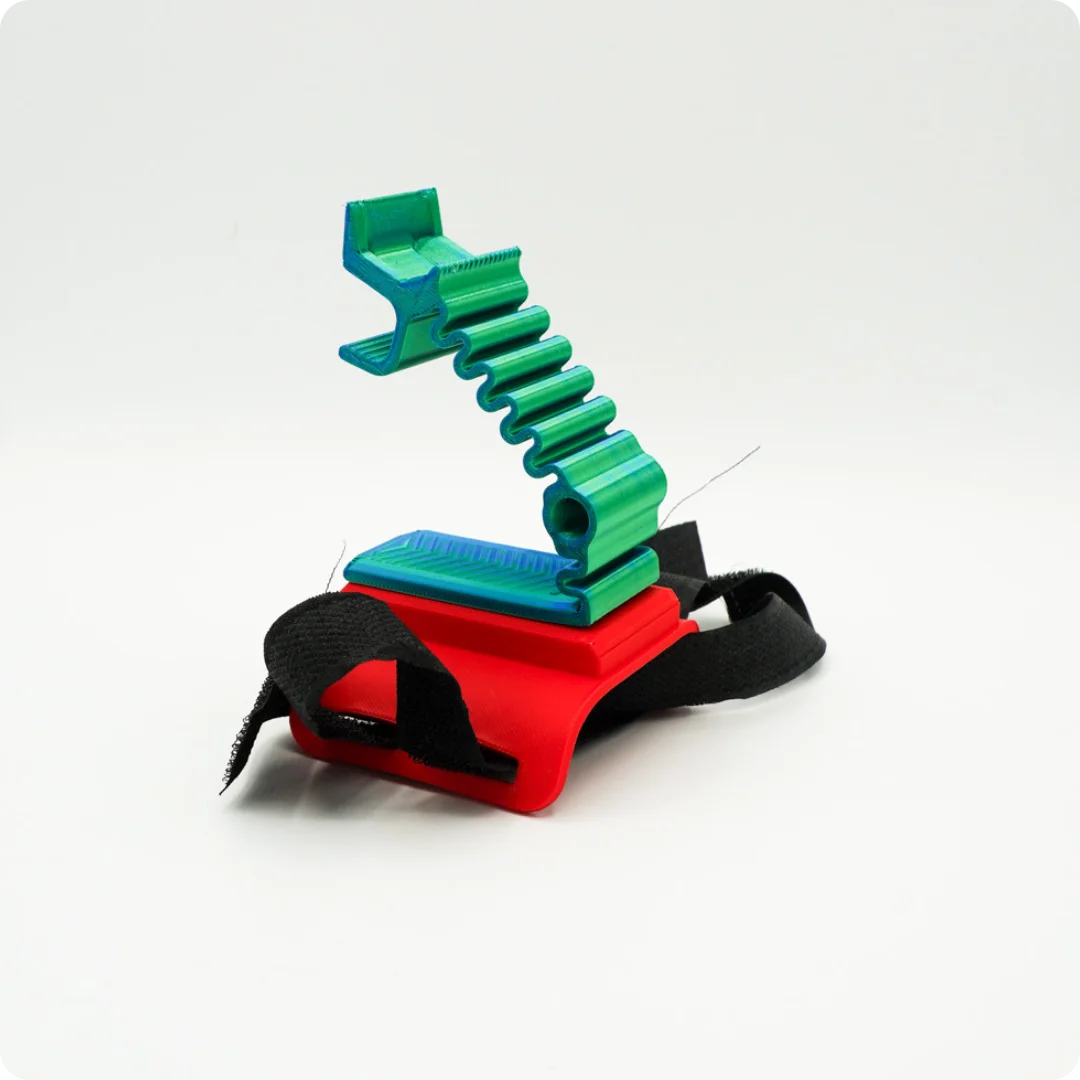
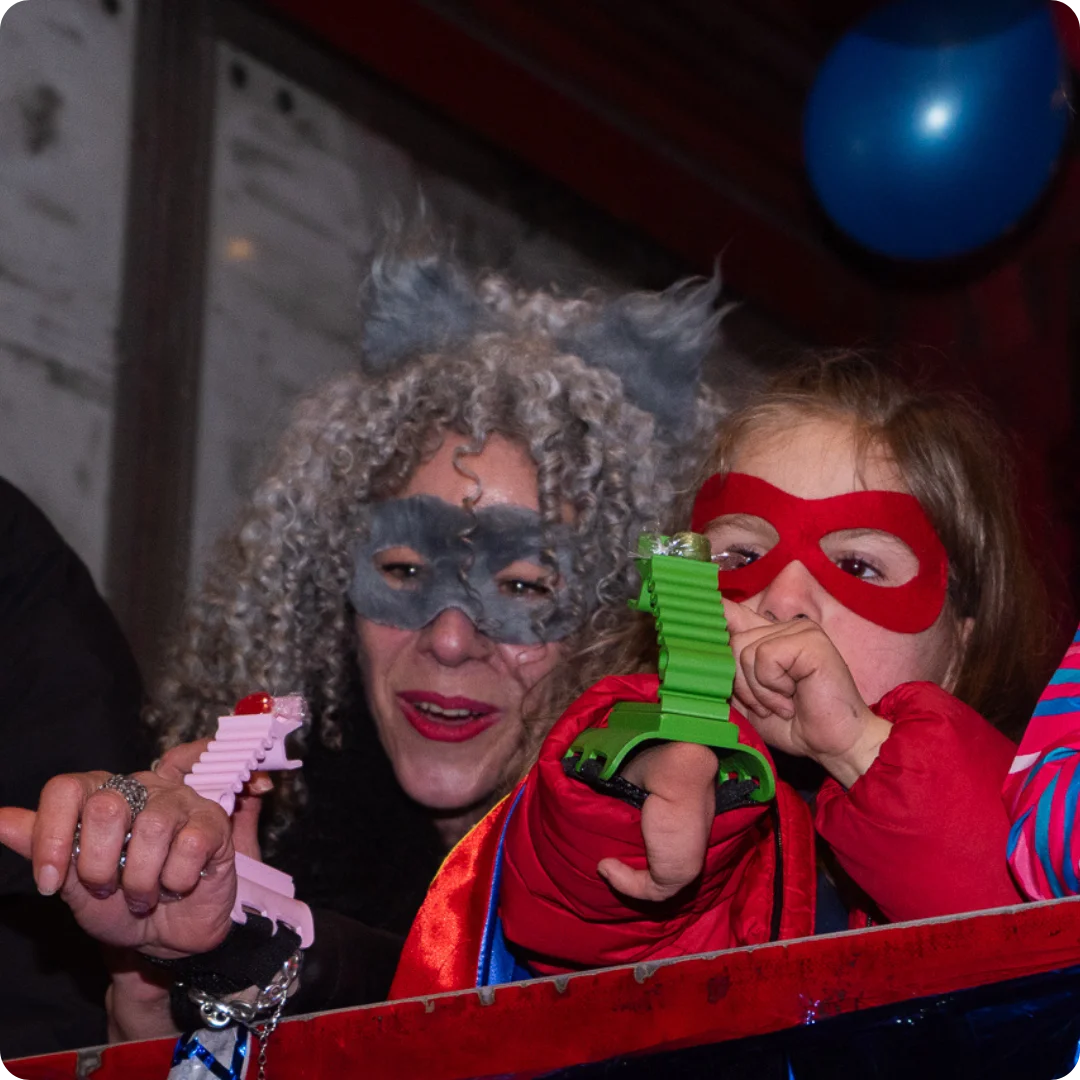
Prótesis para jugar y lanzar caramelos
What is it for?
Playful complement for prosthesis. We have different models that shoot plastic discs, throw candies or throw small objects.
How does it work?
The device is attached to a prosthesis or to the arm by means of velcro. In the case of the disc launcher: the disc is placed in the launcher and when the string is pulled, it shoots out. In the case of the candy launcher: the candy is placed in the receiver of the catapult, the catapult is pressed backwards with the other hand and when released, the candy shoots out.
Who can use it?
Everyone.
Trésdesis inferiores
Prótesis destinadas a personas con ausencia parcial de extremidades inferiores.
Trésdesis superiores técnicas
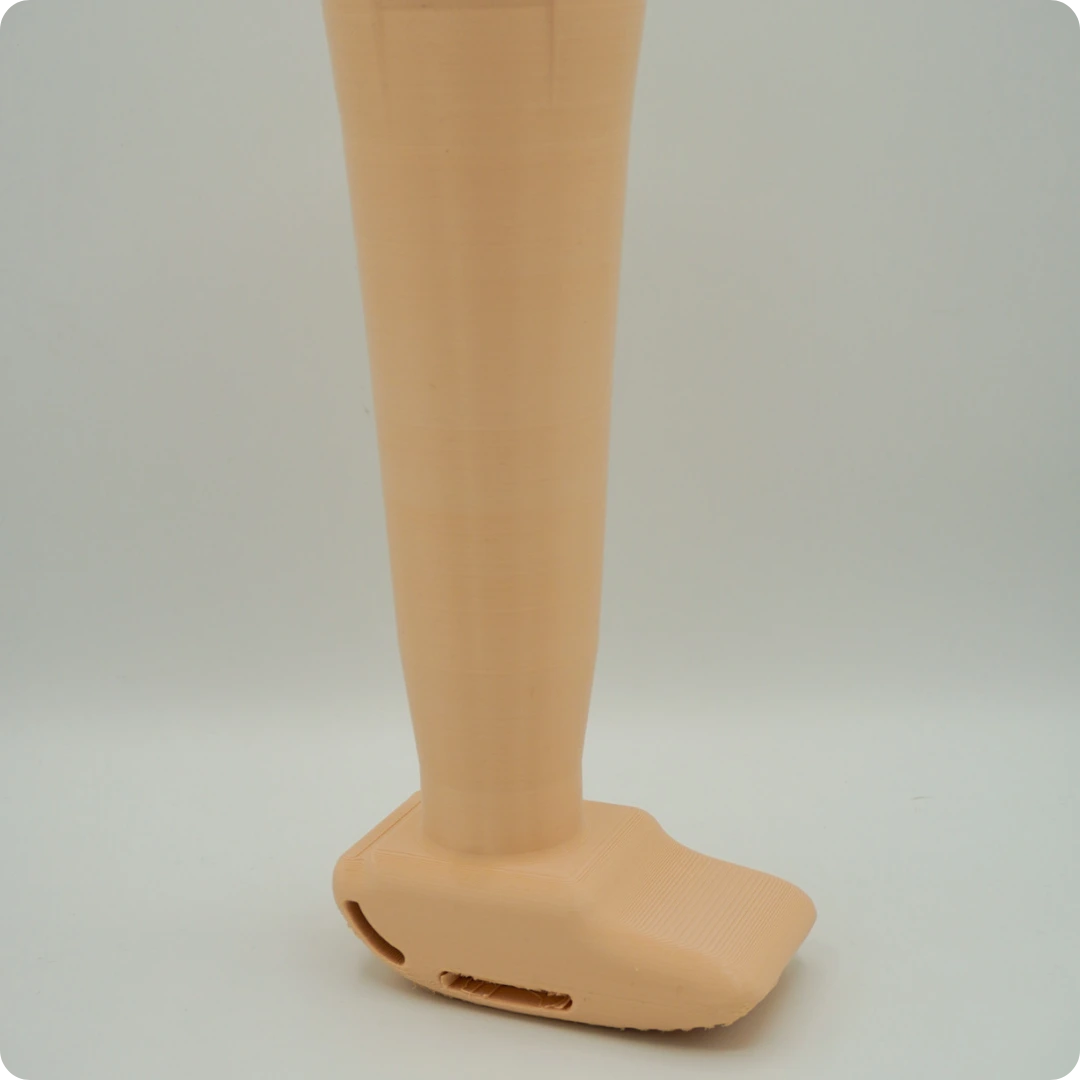
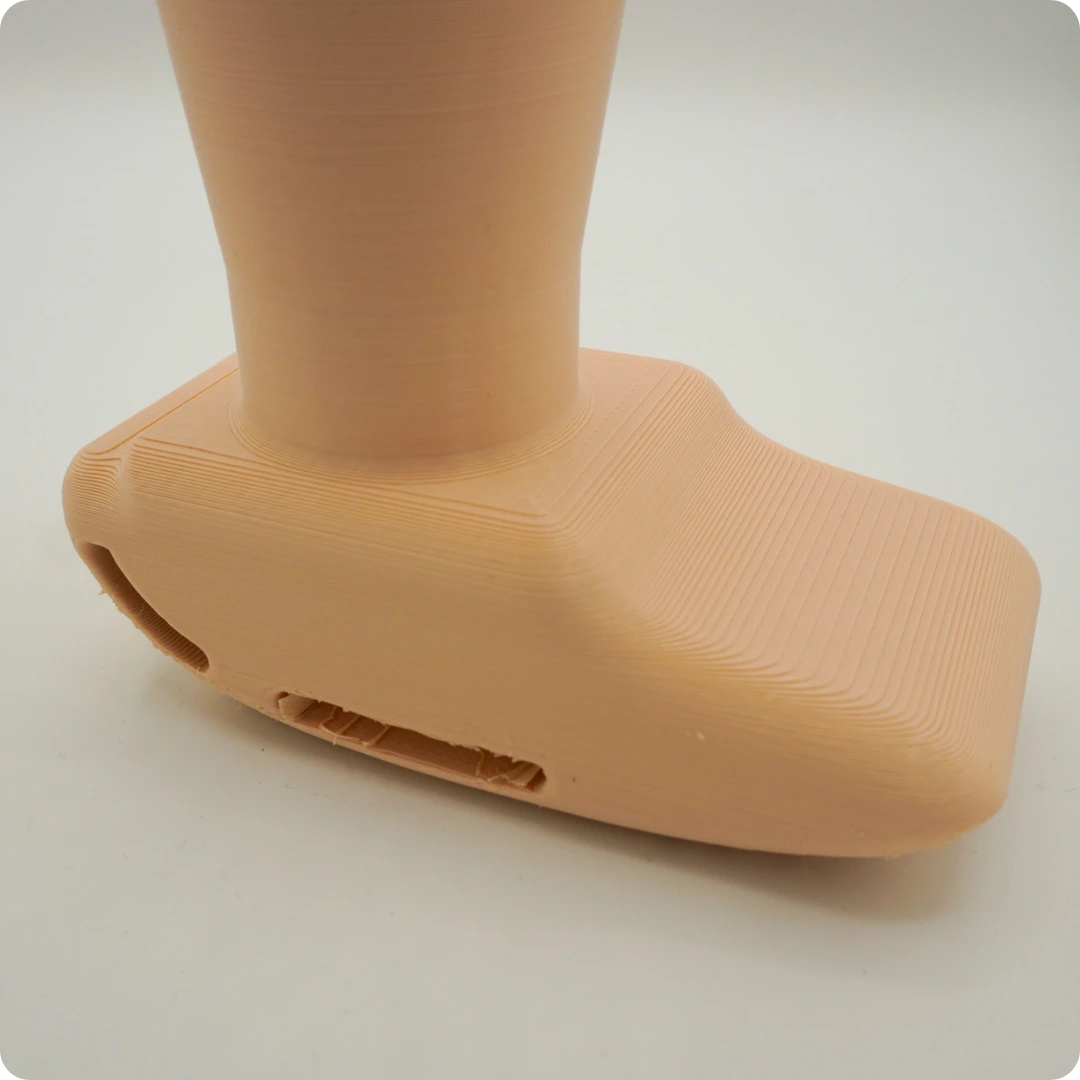
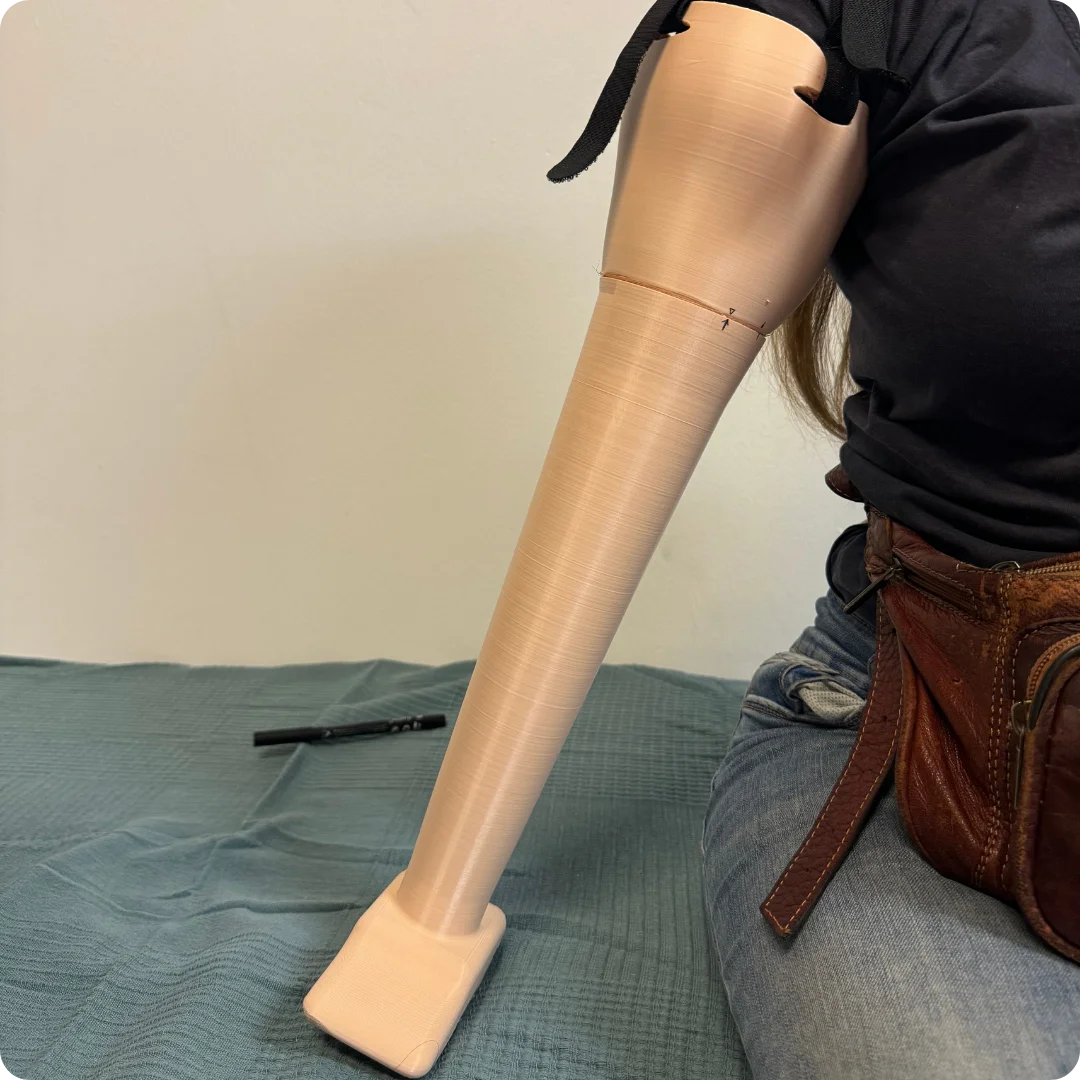
Prótesis diseñadas para personas con amputación transtibial, compatibles con sistemas de liner de pin y enfocadas en ofrecer una solución funcional, accesible y personalizada.
Actualmente, en Ayúdame3D estamos trabajando en el desarrollo y validación de esta solución junto a beneficiarios voluntarios y profesionales especializados, realizando pruebas y seguimiento continuo para garantizar comodidad, funcionalidad y adaptación a las necesidades de cada persona.
Si quieres conocer qué otros dispositivos creamos o necesitas uno, puedes escribirnos a soporte@ayudame3d.org o solicitarlo en el siguiente enlace.

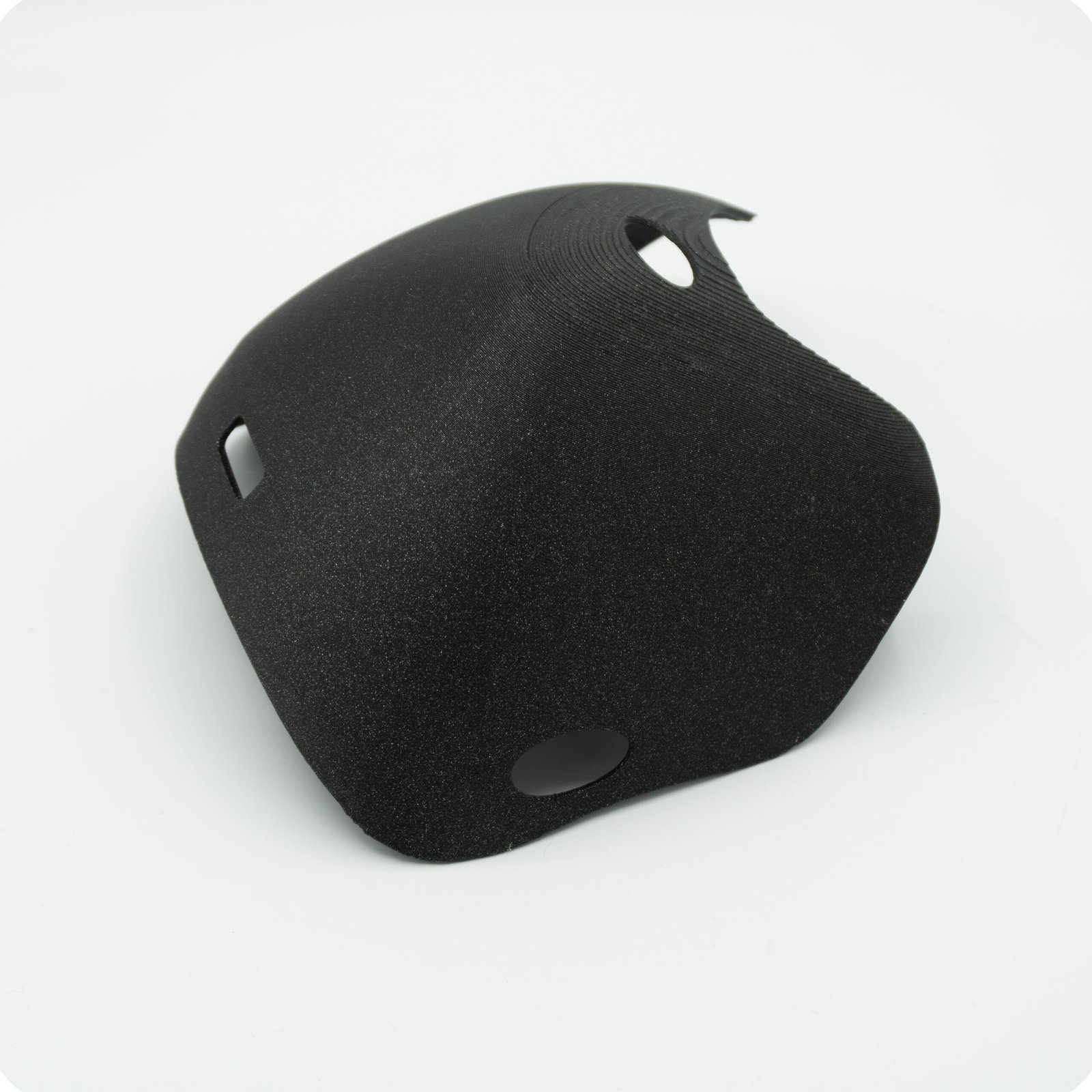
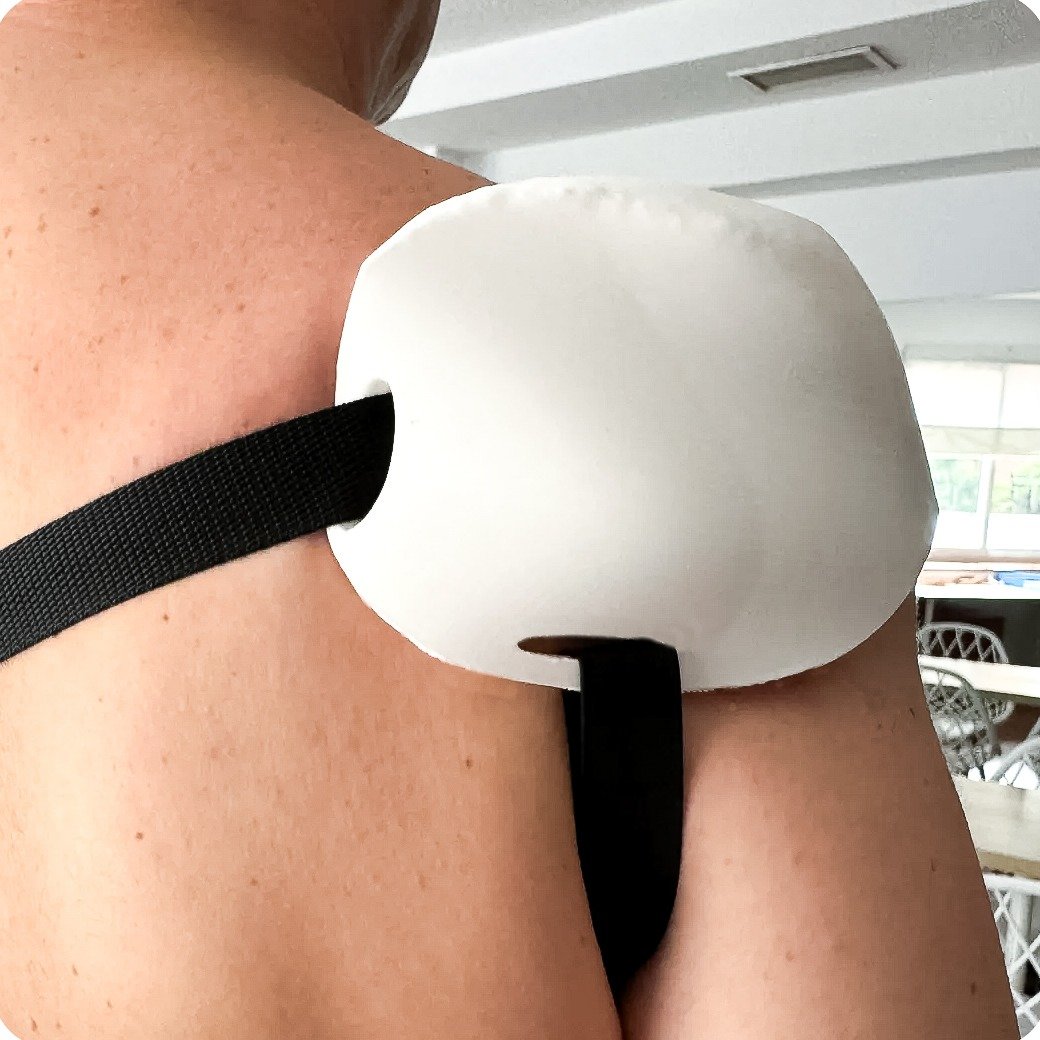
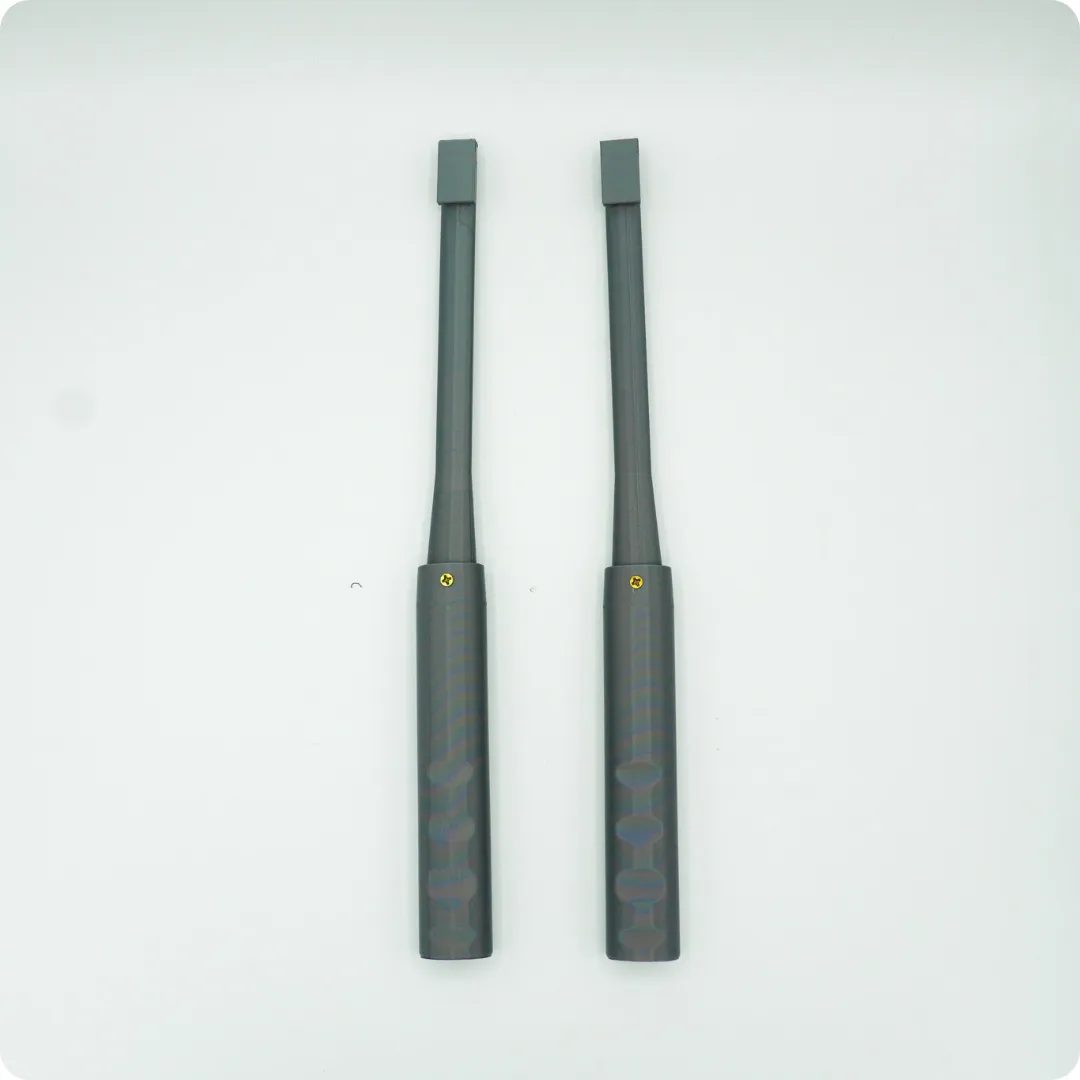
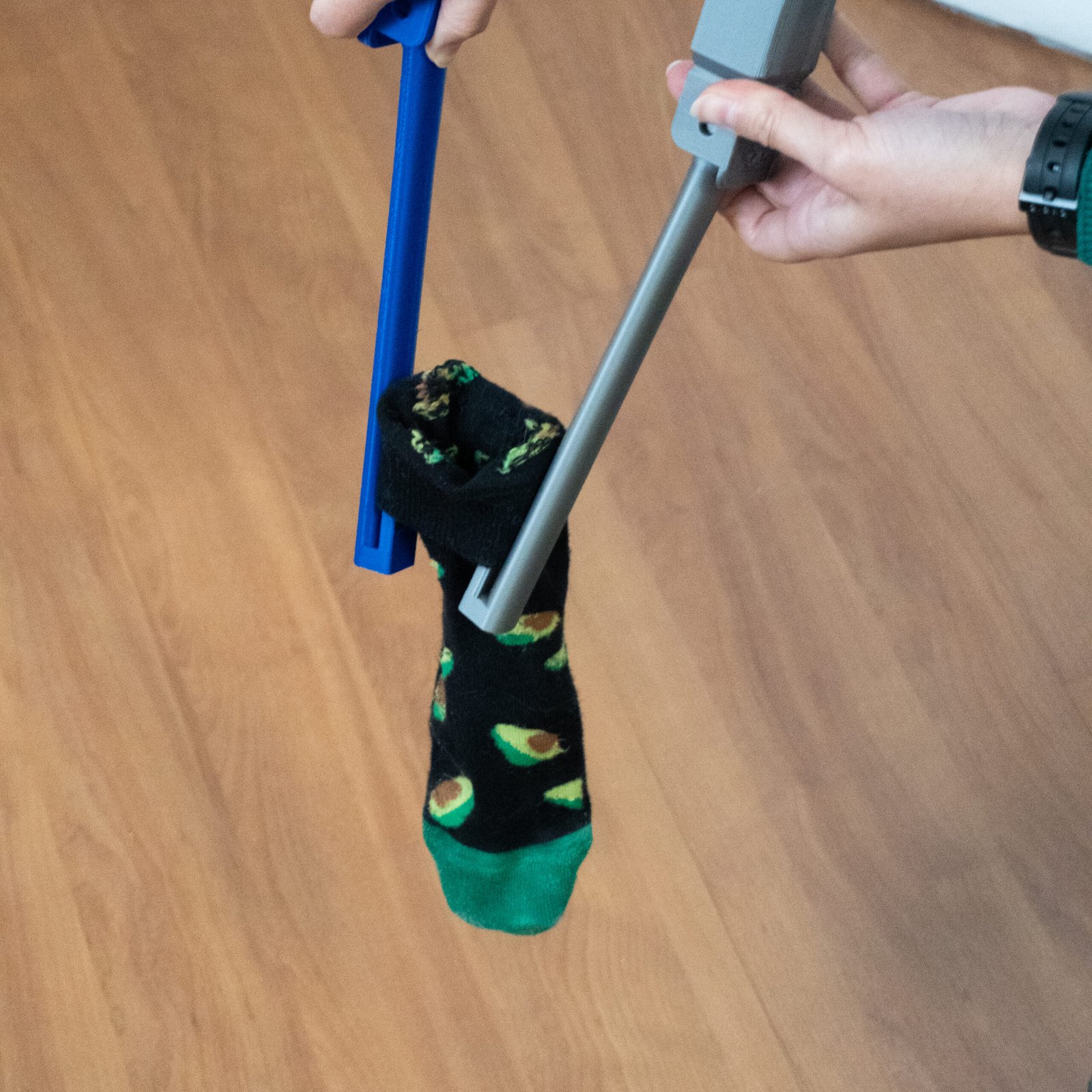
Productos de apoyo
Dispositivos y herramientas impresos en 3D que reducen barreras y facilitan la autonomía, la movilidad y la participación de las personas en su día a día.
Rehabilitación
Los productos de apoyo de rehabilitación son dispositivos diseñados para apoyar el trabajo de profesionales como fisioterapeutas y especialistas en rehabilitación. Se utilizan para favorecer la recuperación funcional, mejorar la movilidad, fortalecer musculatura, trabajar la postura y facilitar procesos terapéuticos de recuperación física.
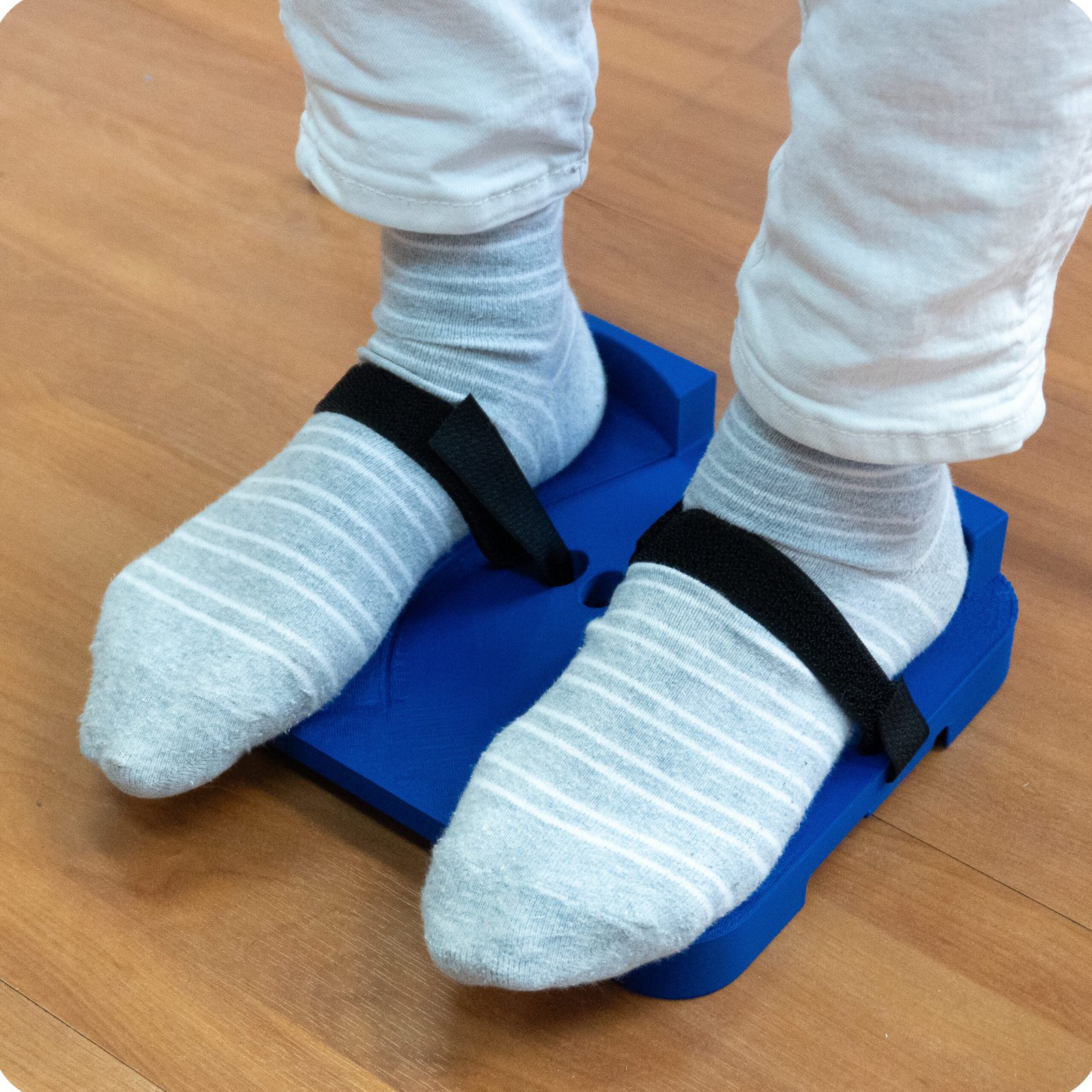
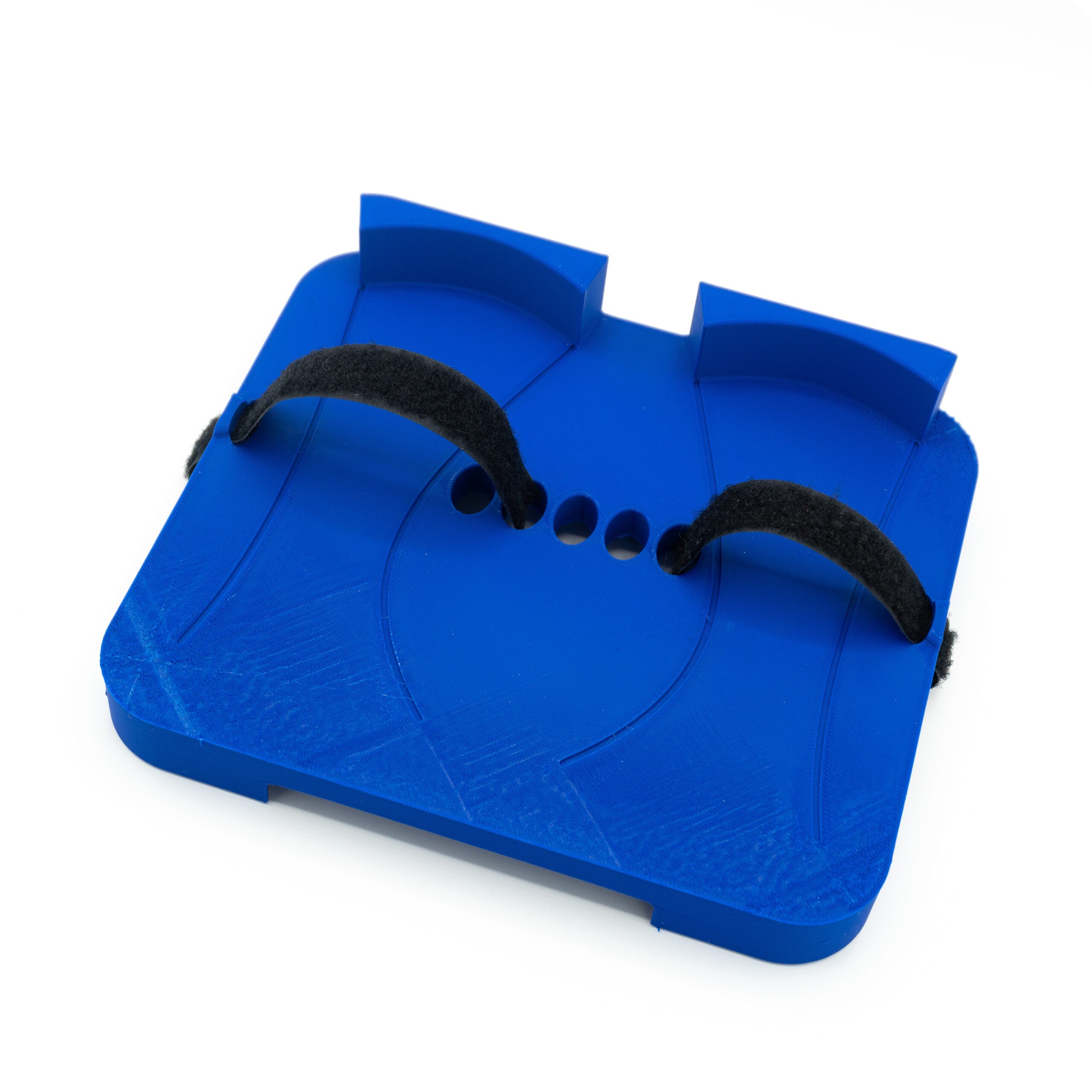
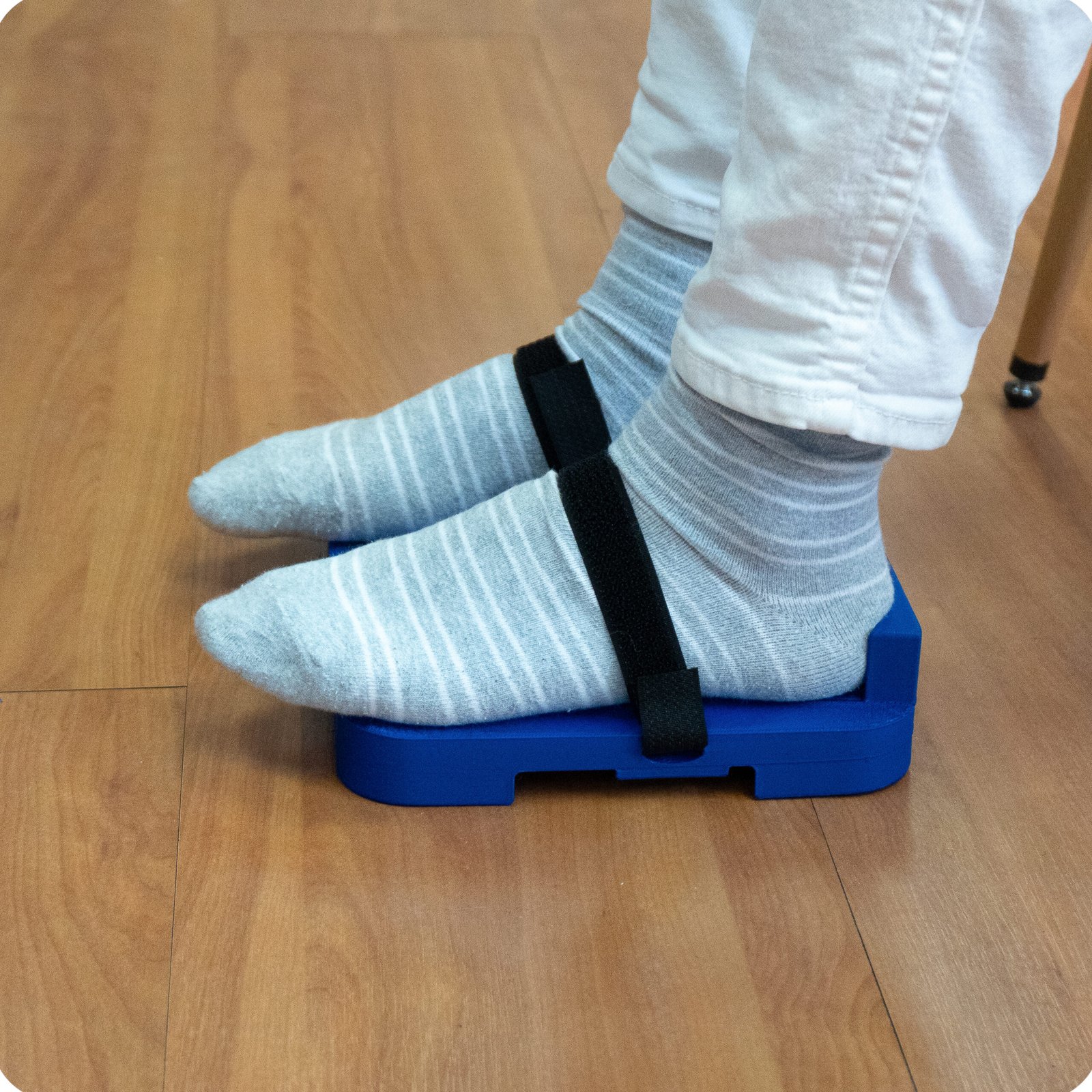
Apoyo ergonómico para pies de natación
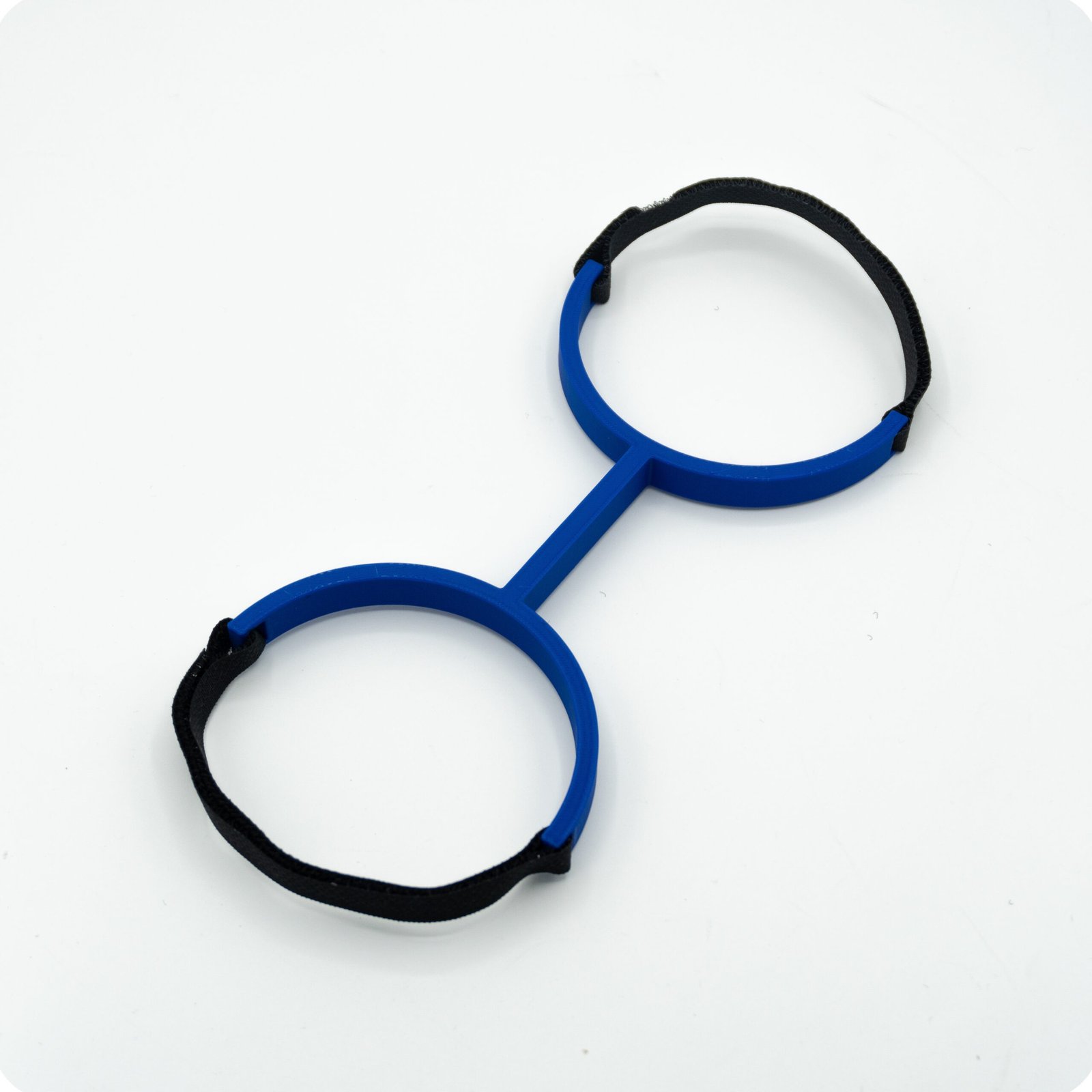
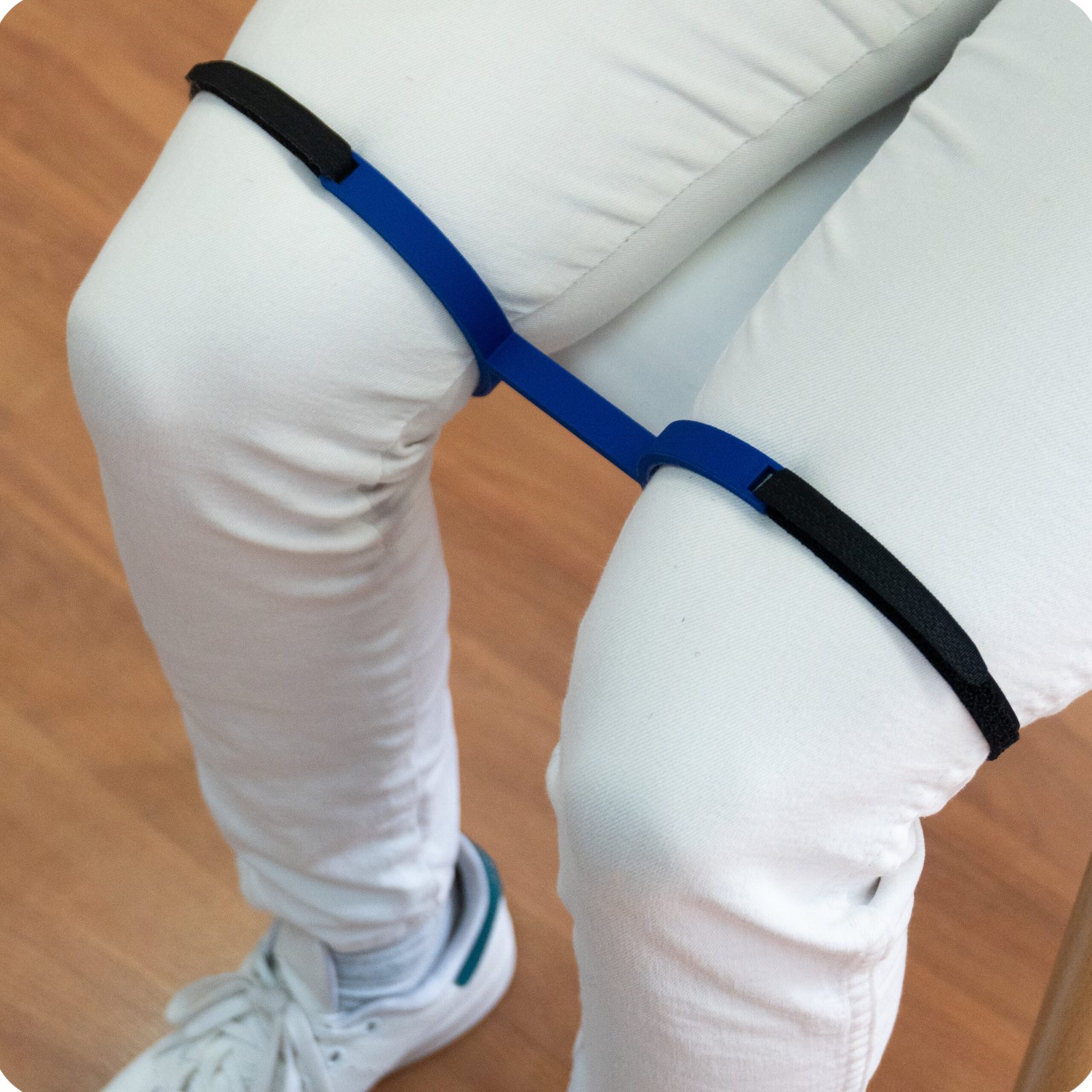
Separador de piernas
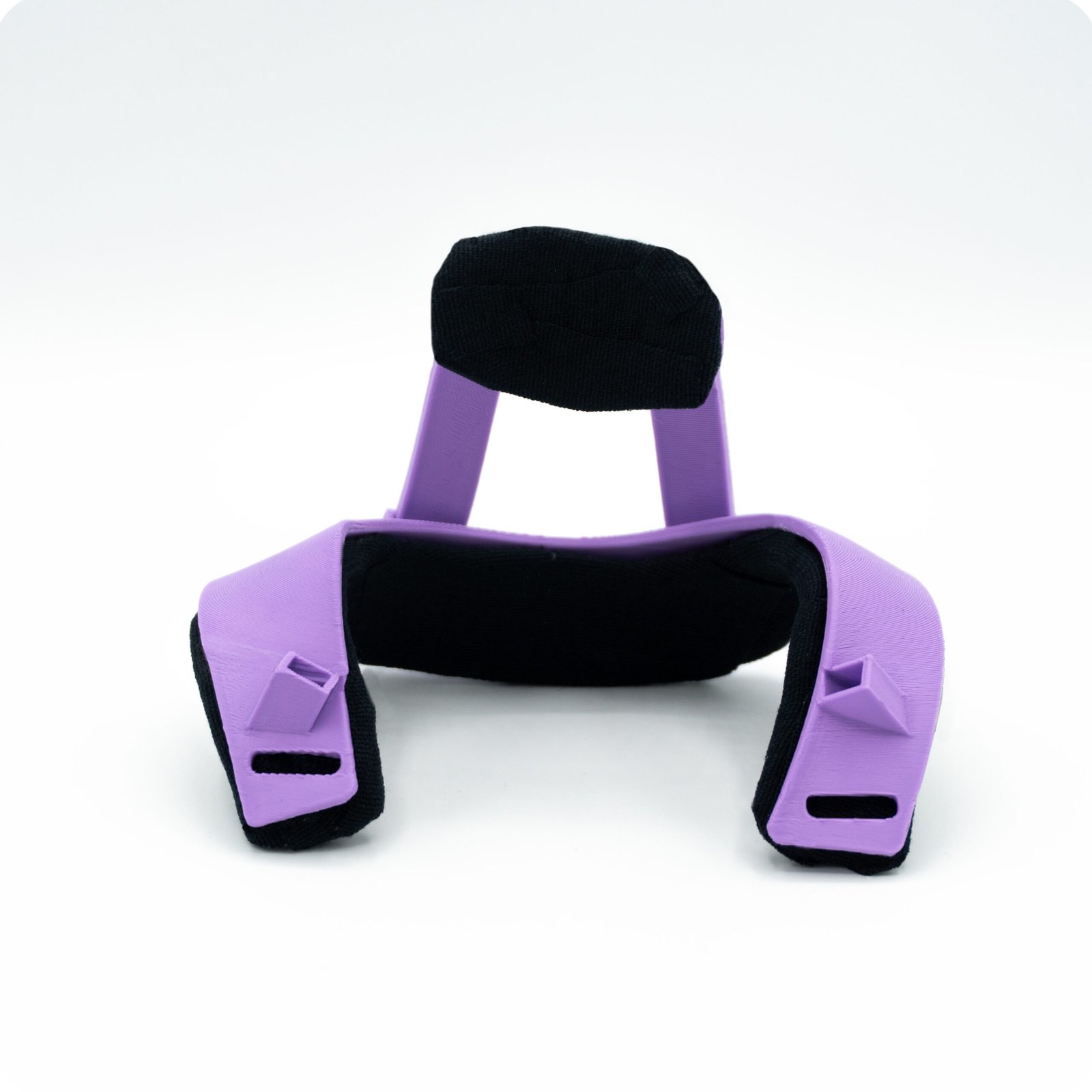
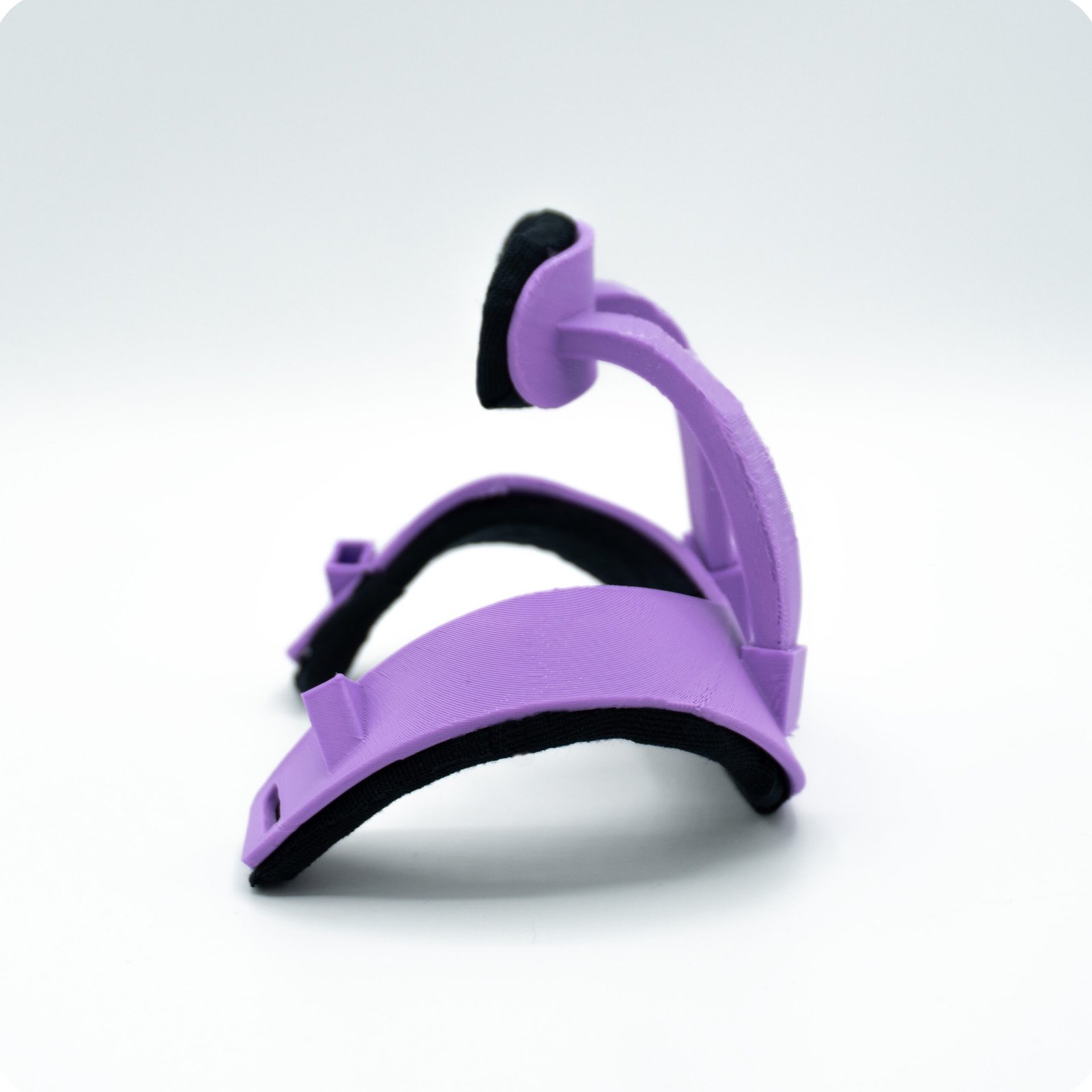
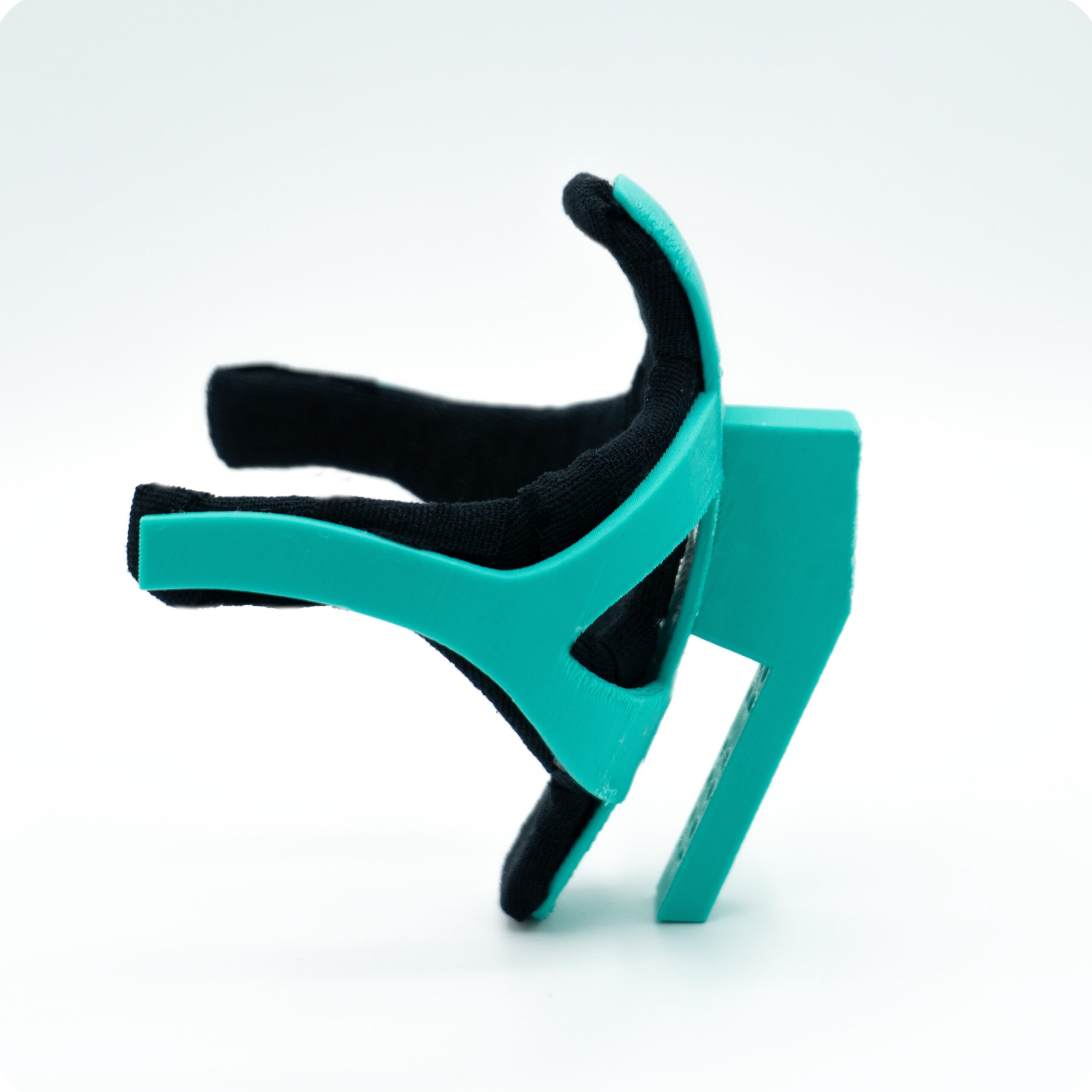
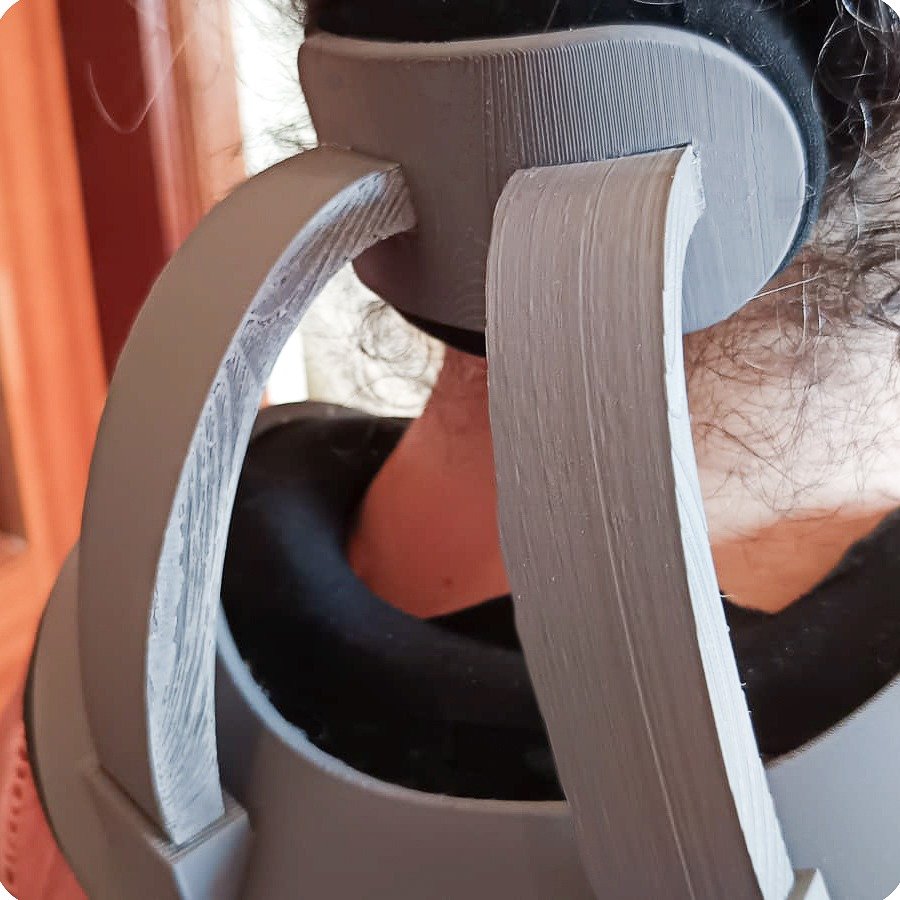
Soporte cervical
Terapia ocupacional
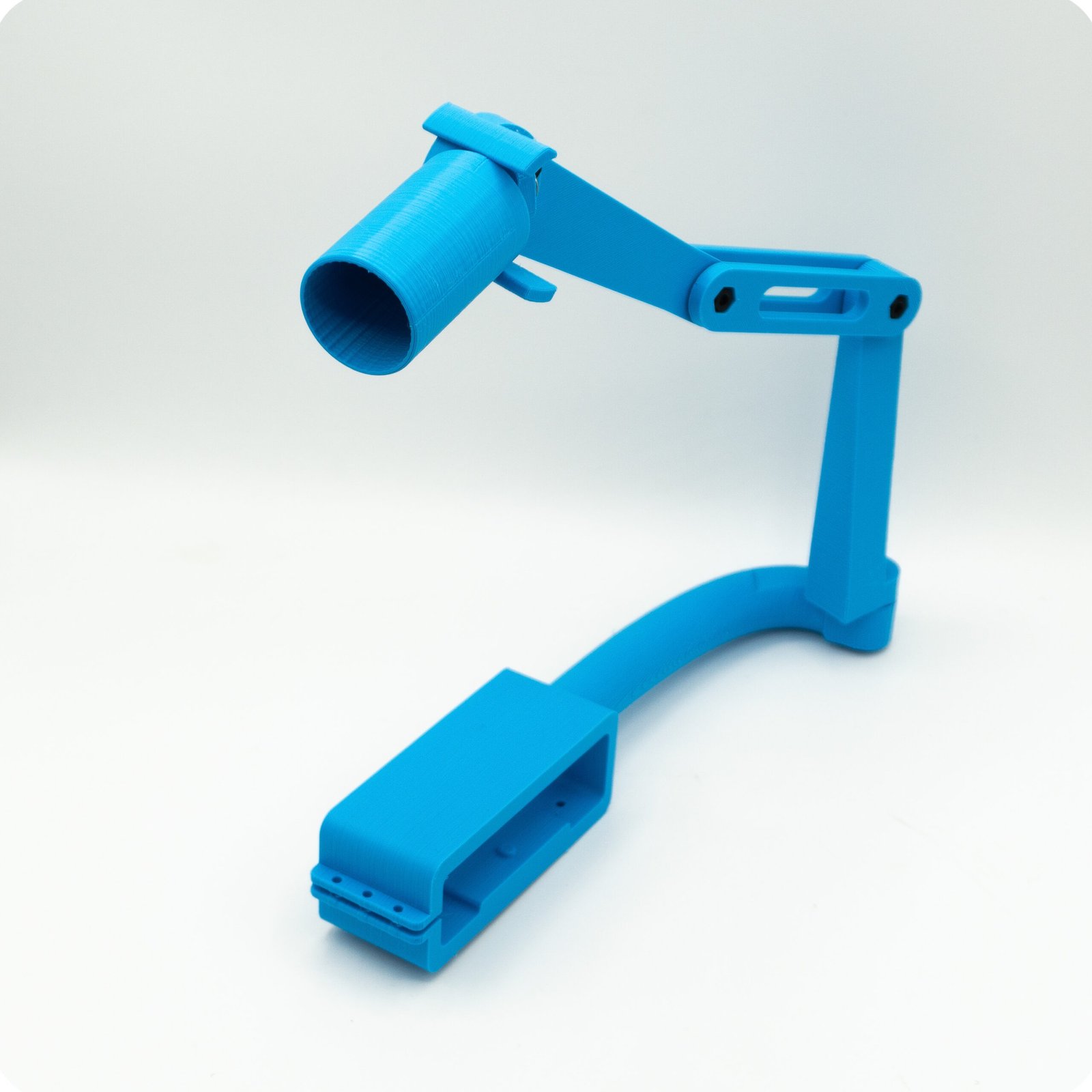
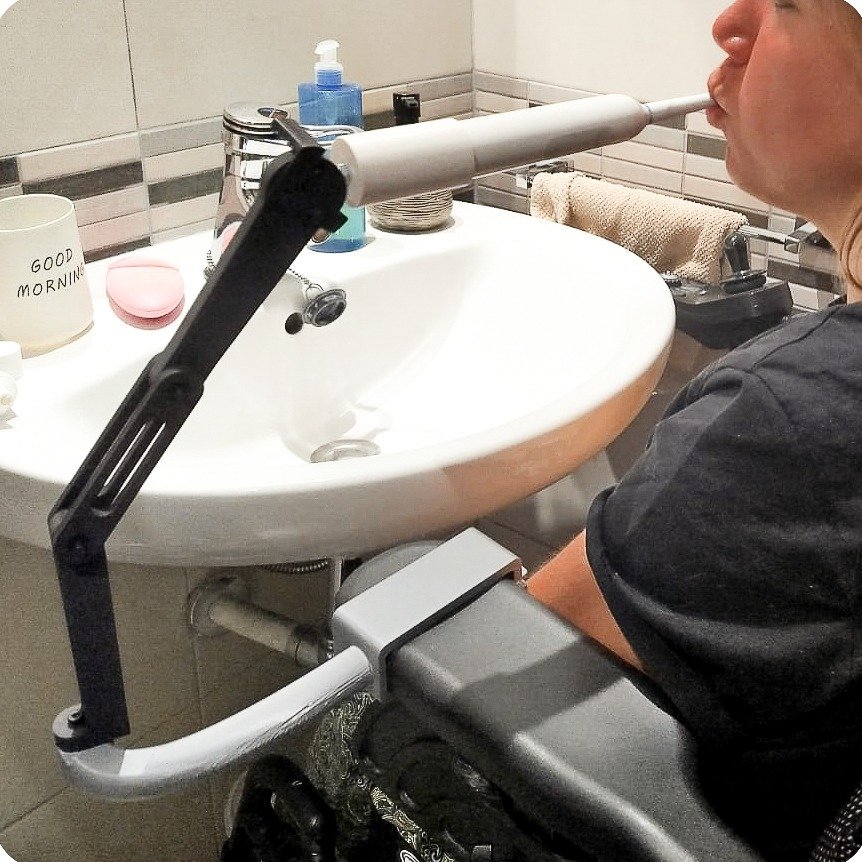
Los productos de apoyo para terapia ocupacional son dispositivos diseñados para mejorar la autonomía de personas con discapacidad o movilidad reducida en actividades de la vida diaria. Facilitan tareas como comer, asearse, escribir, vestirse o manipular objetos, permitiendo compensar limitaciones físicas y aumentando la independencia y calidad de vida de las personas usuarias.
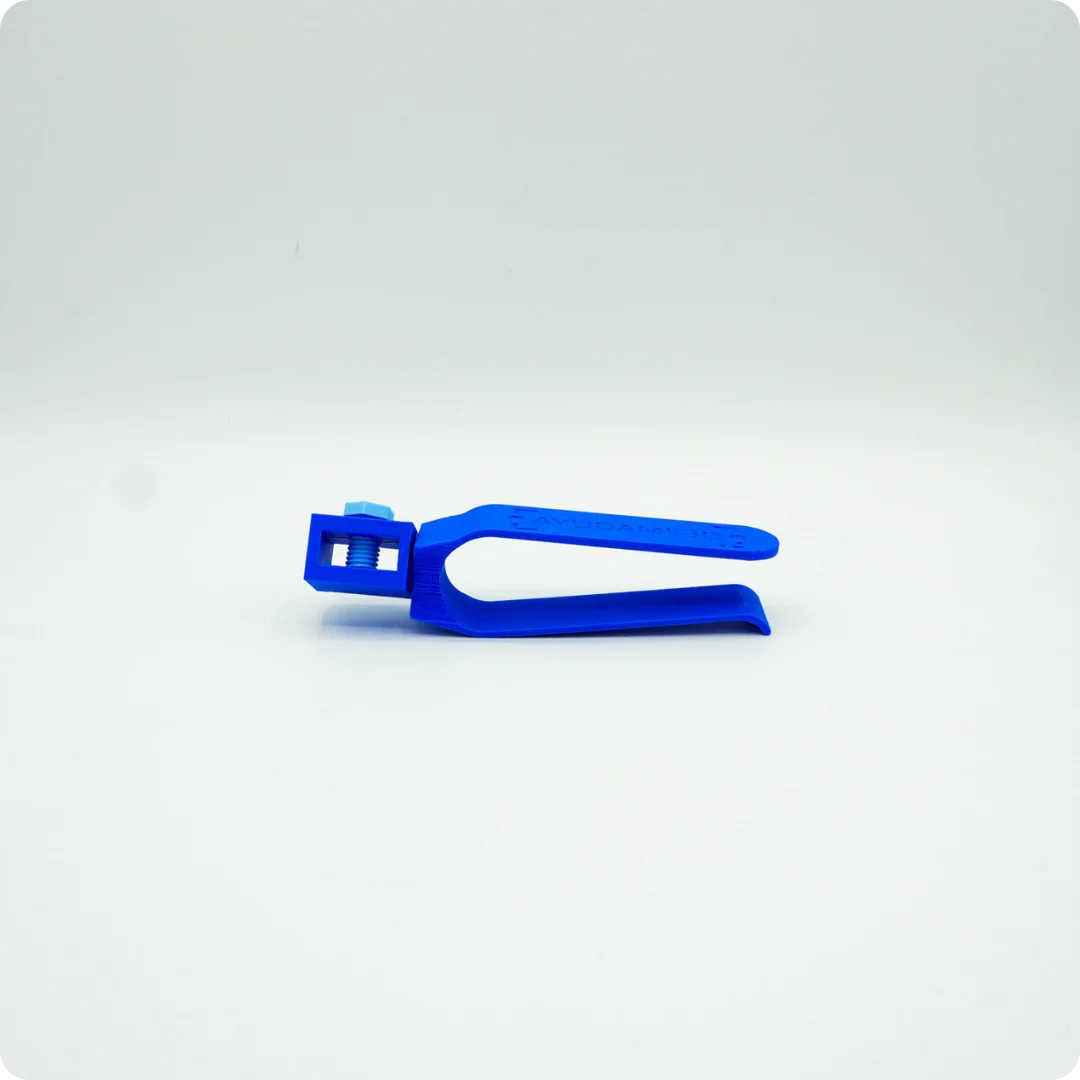
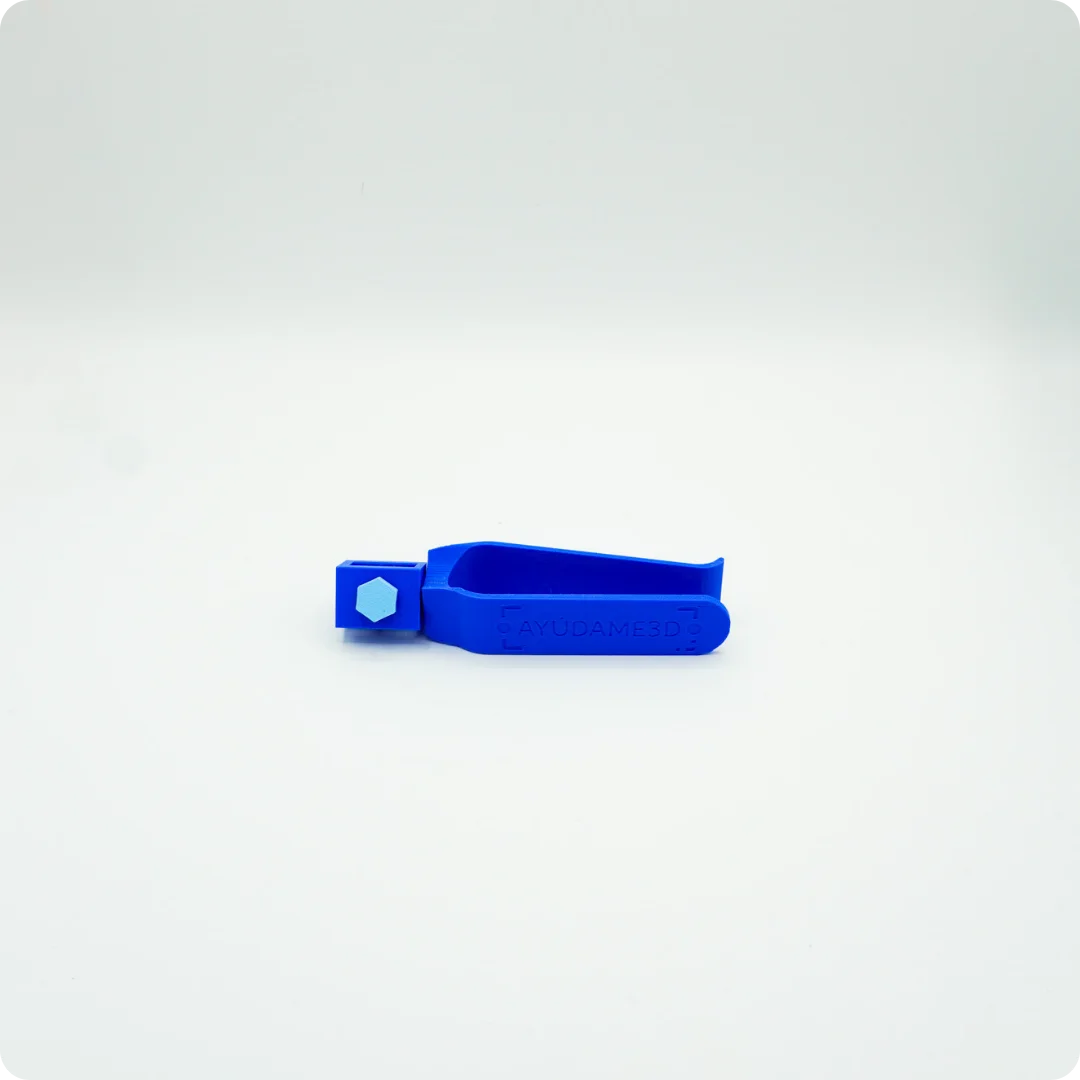
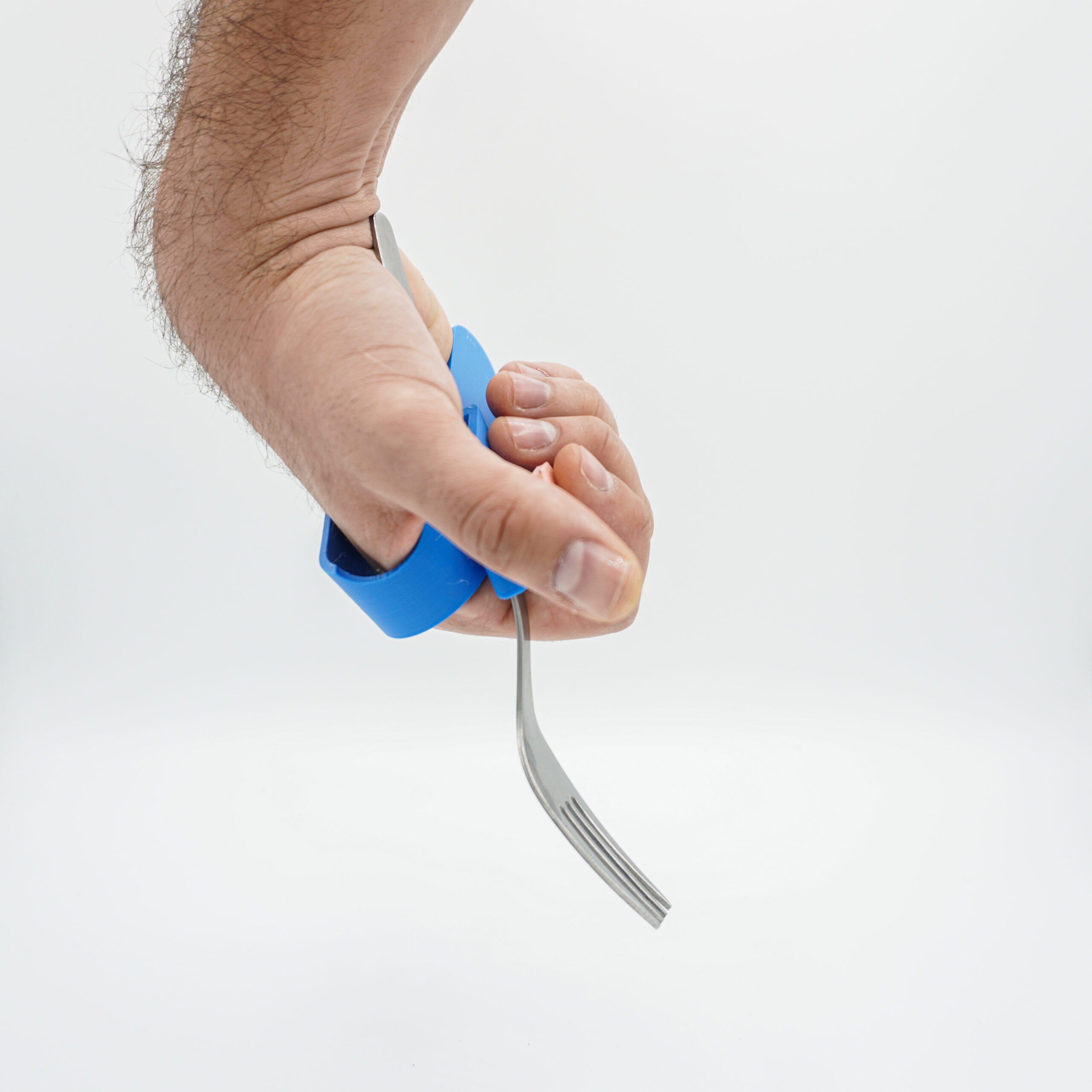
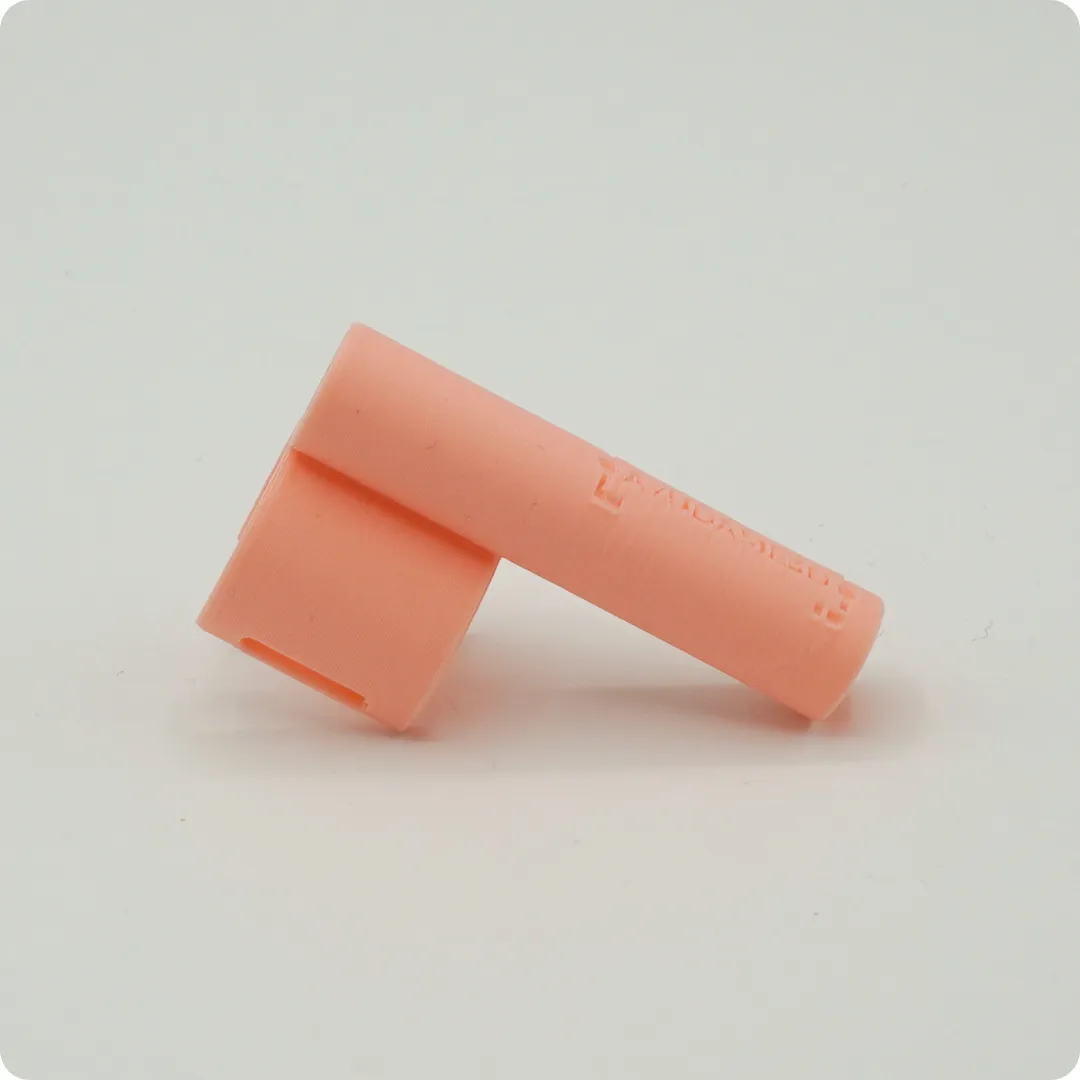
Cutlery holder


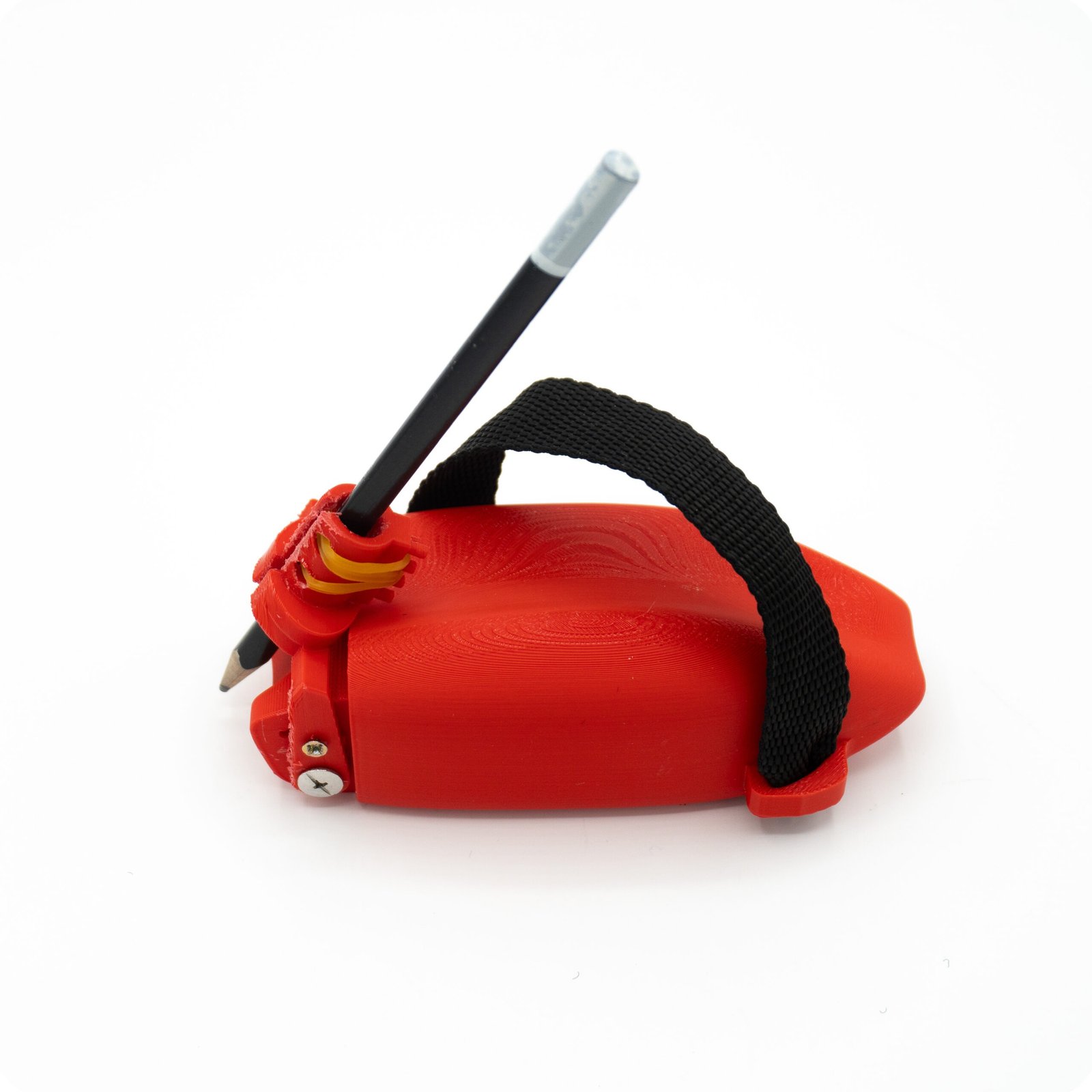
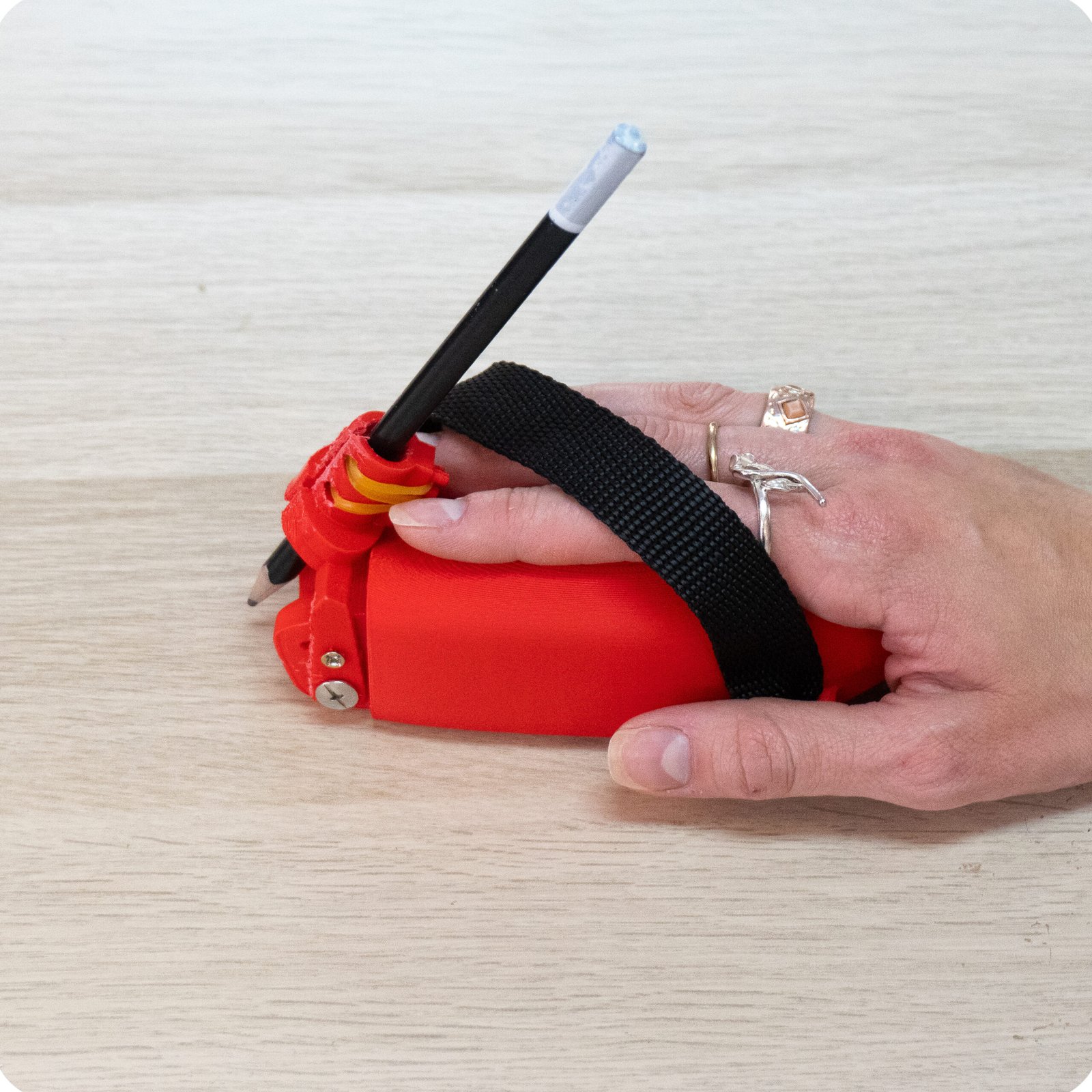
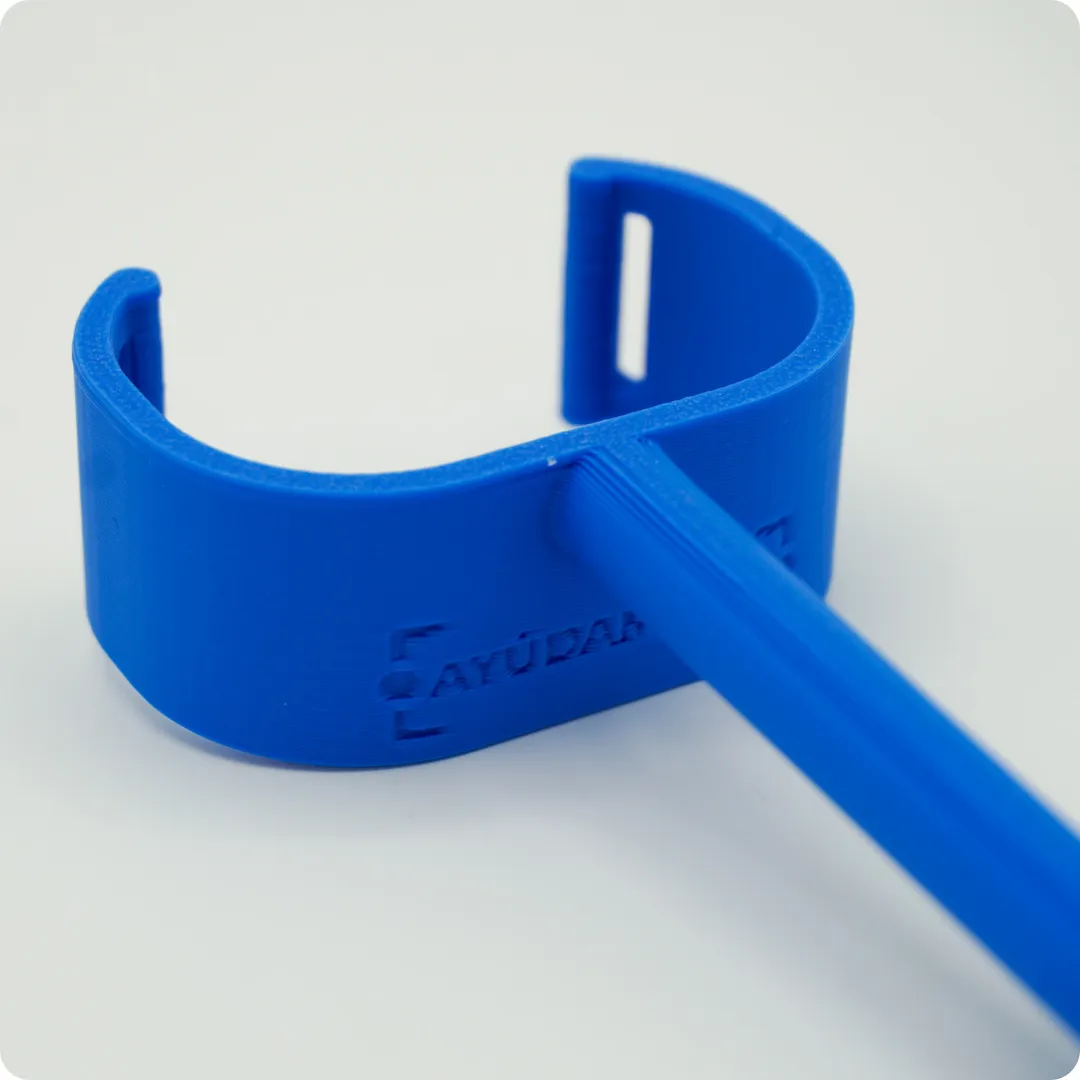
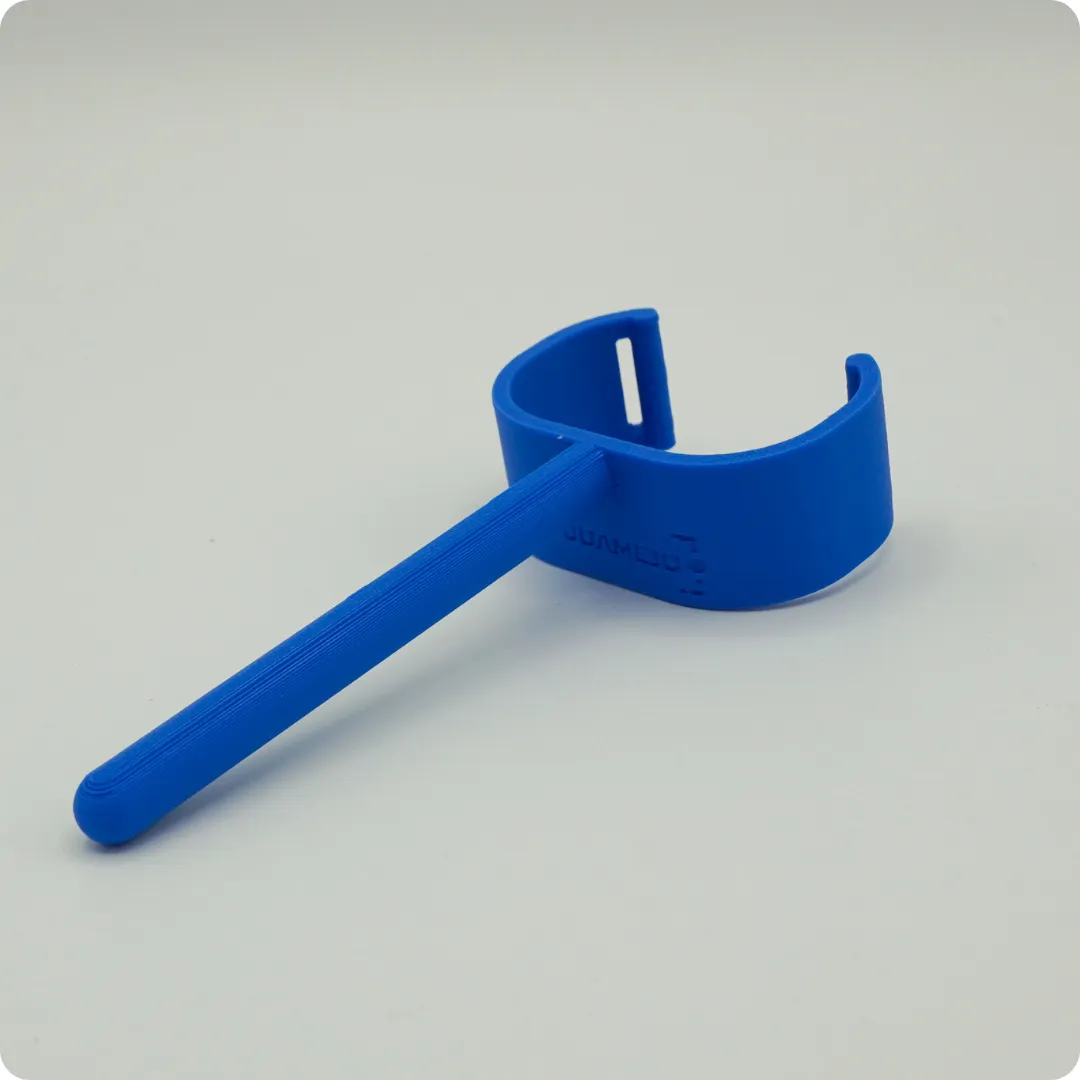
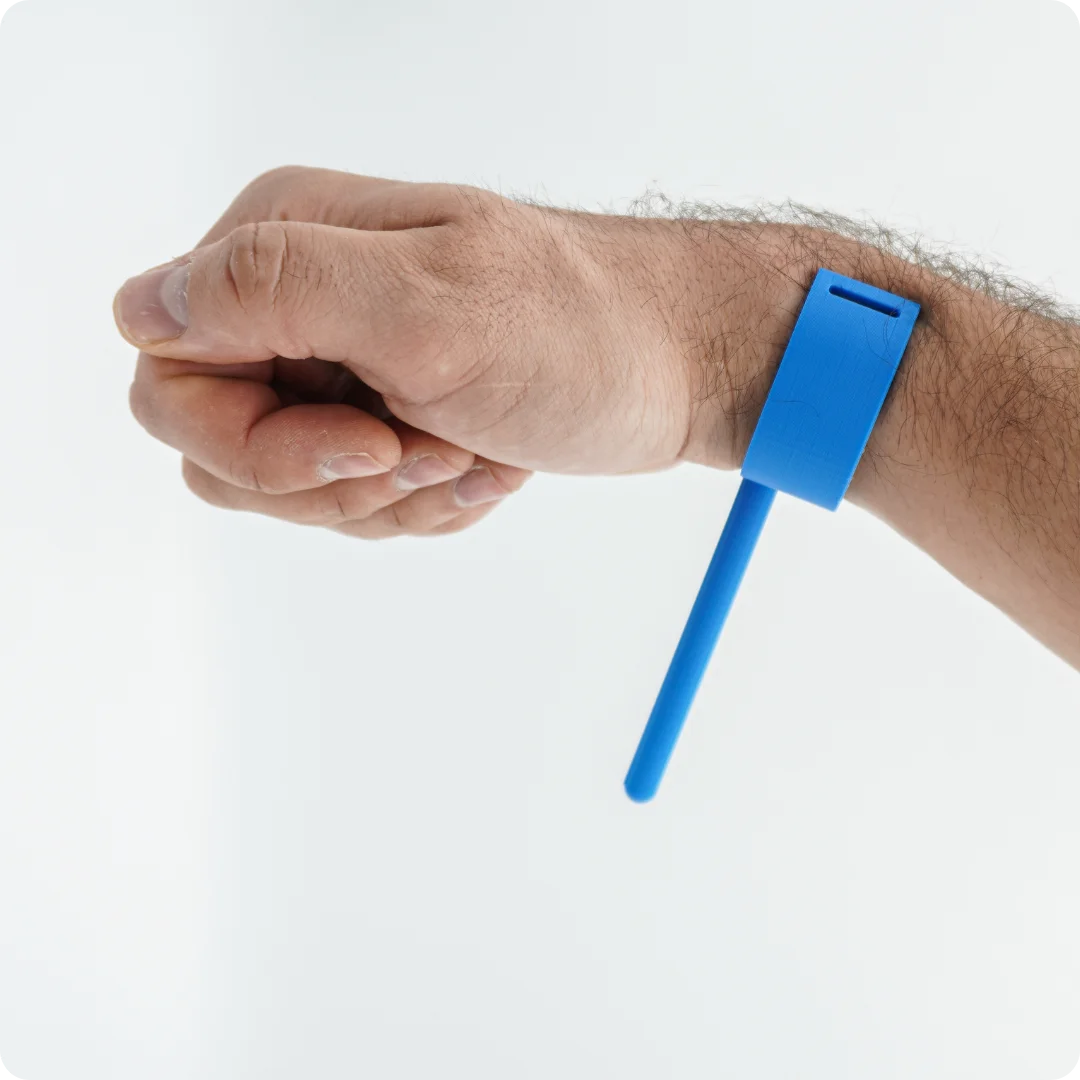
Agarre de cubiertos para muñeca
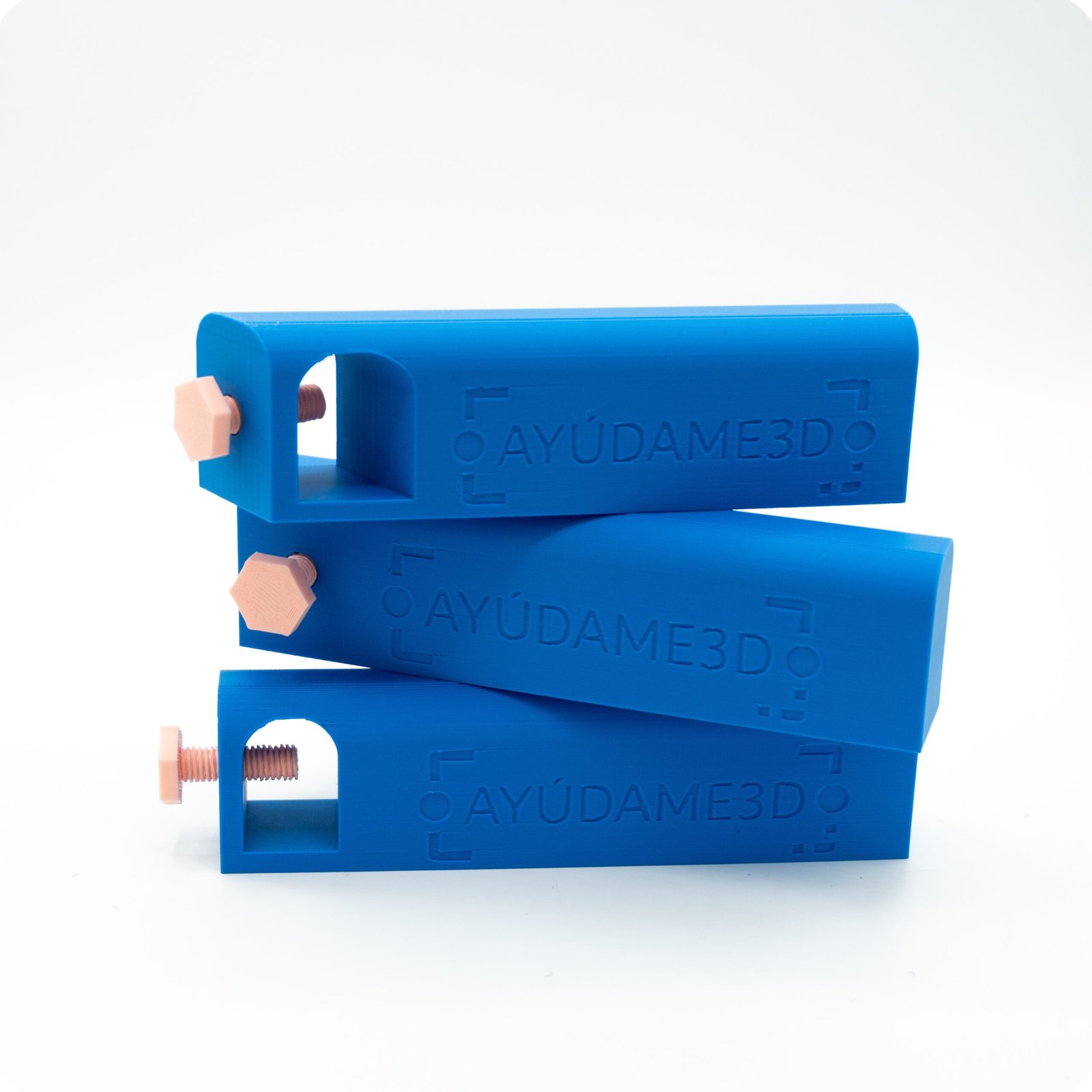
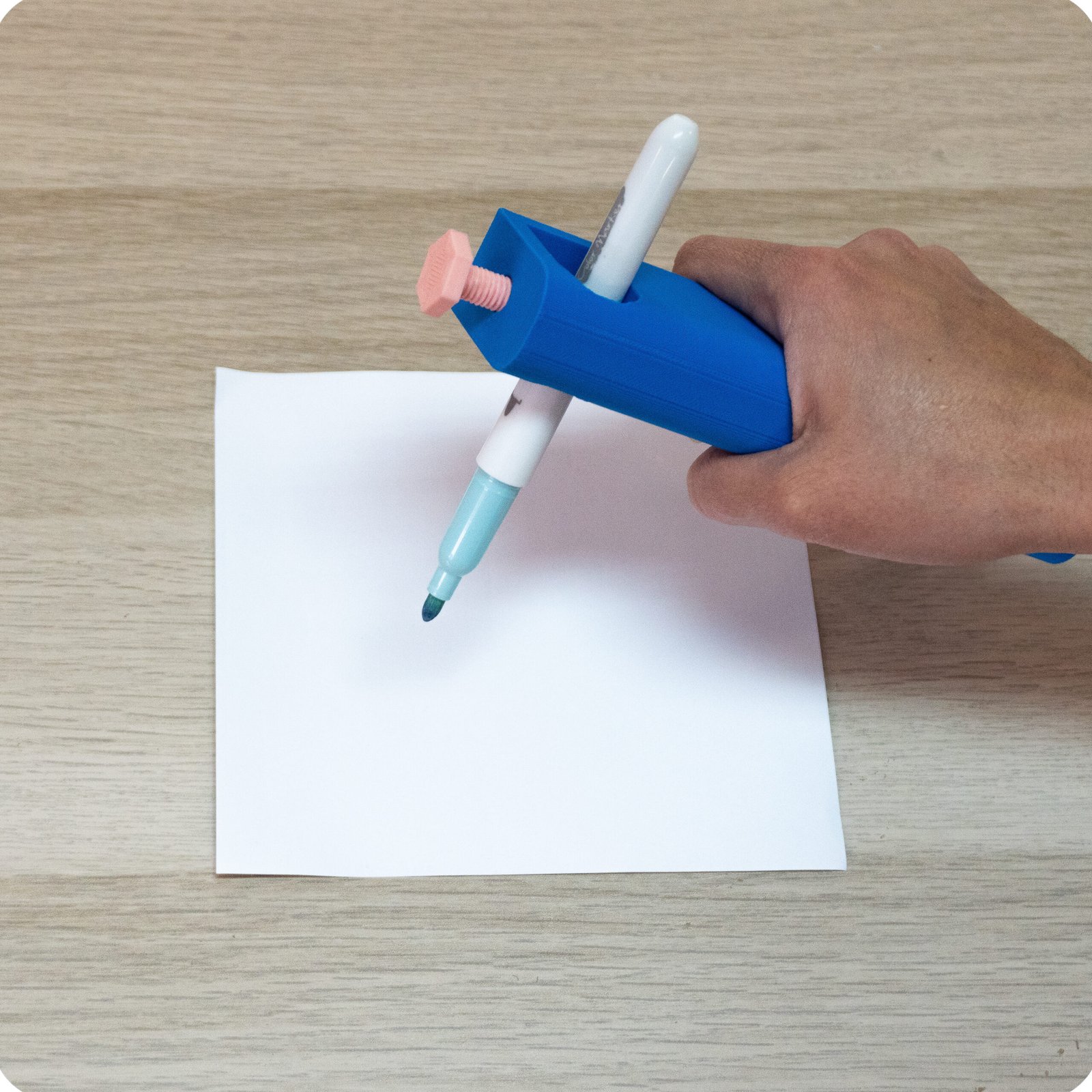
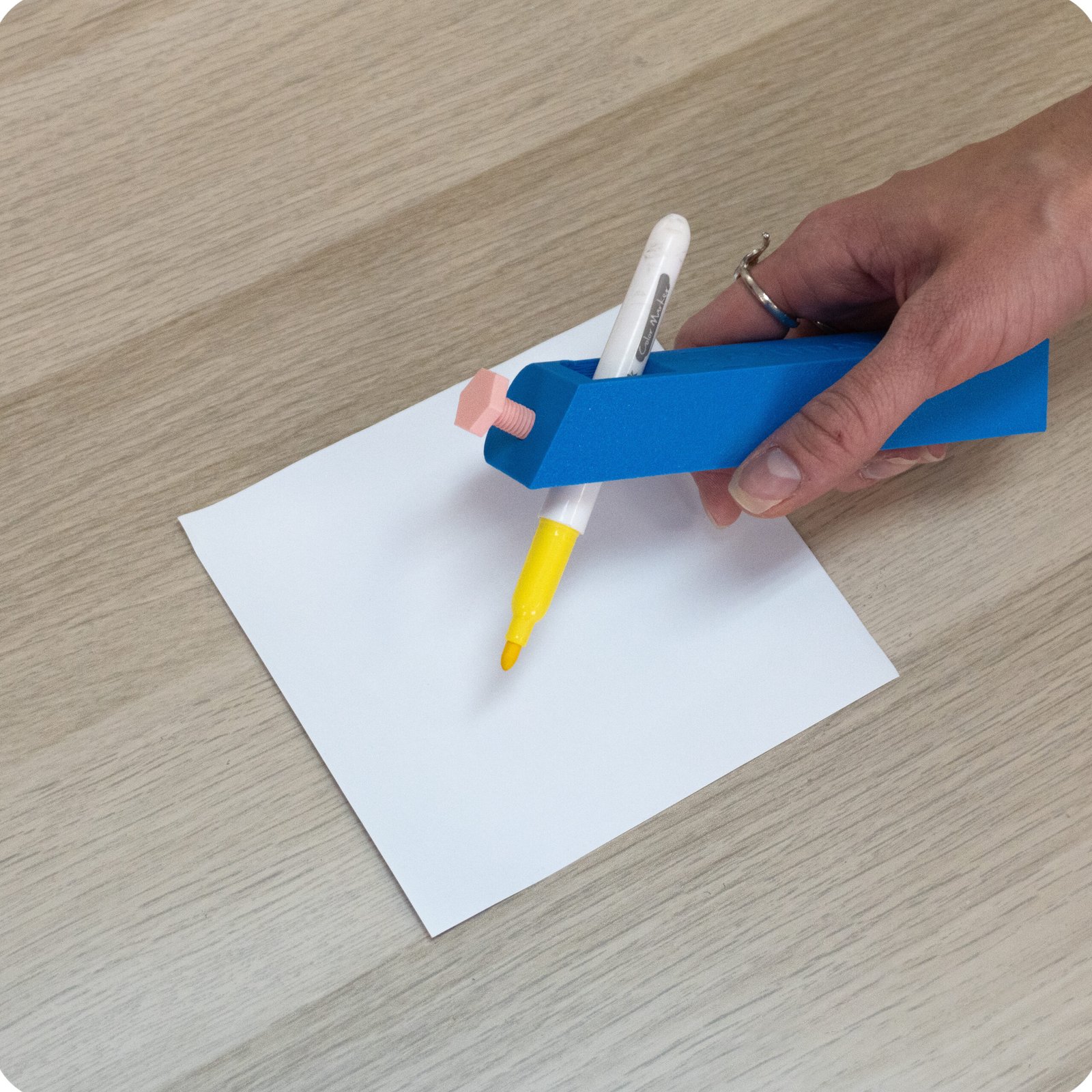
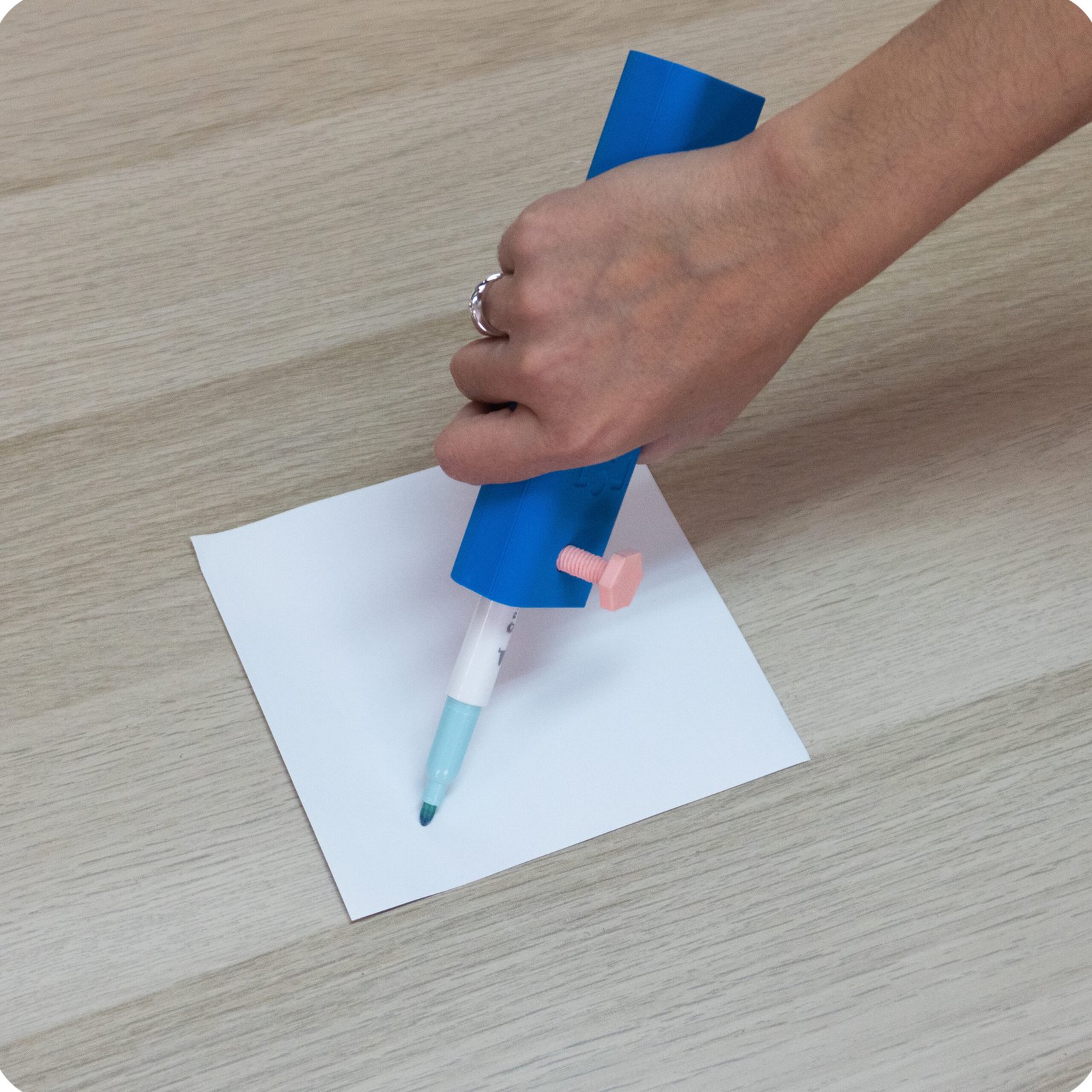
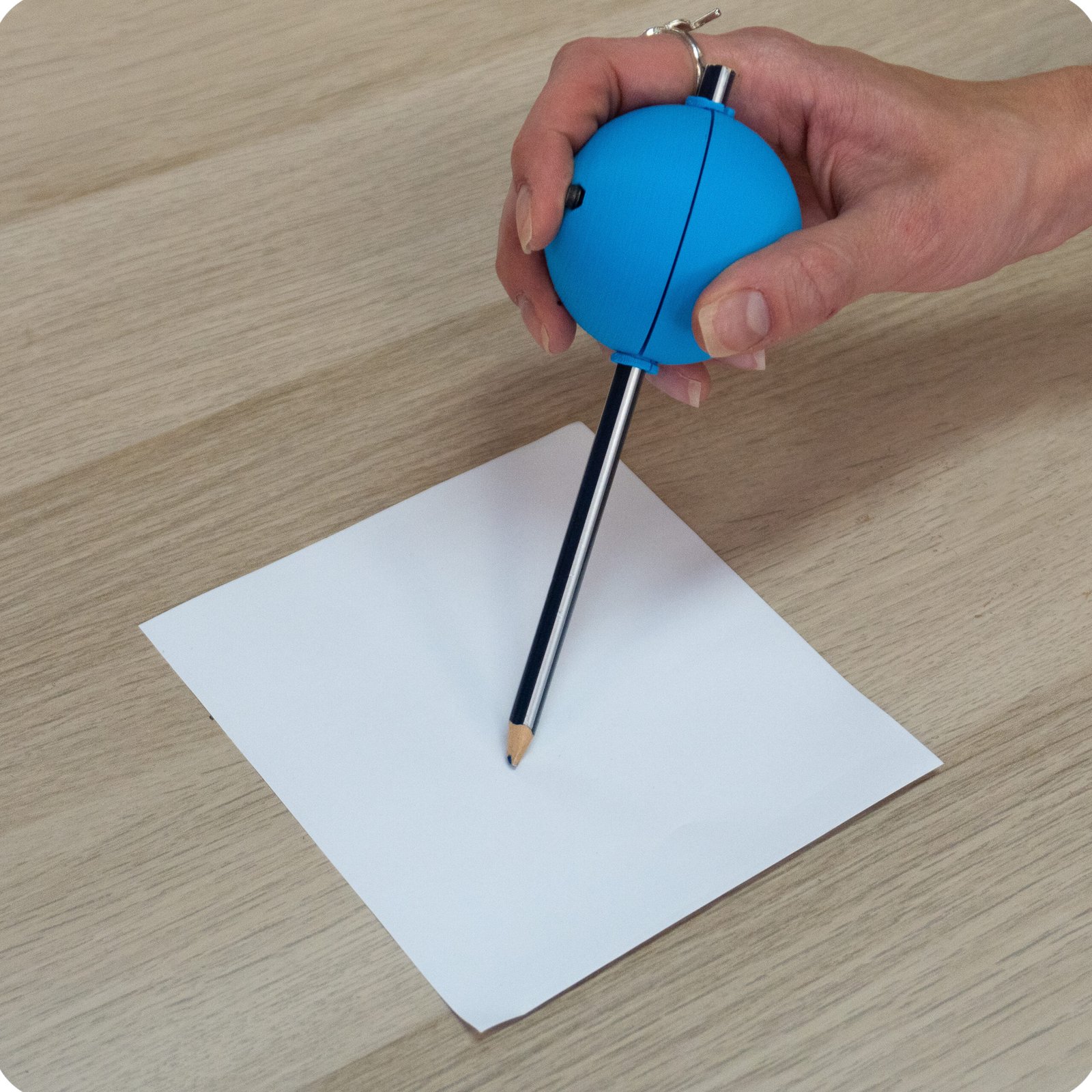
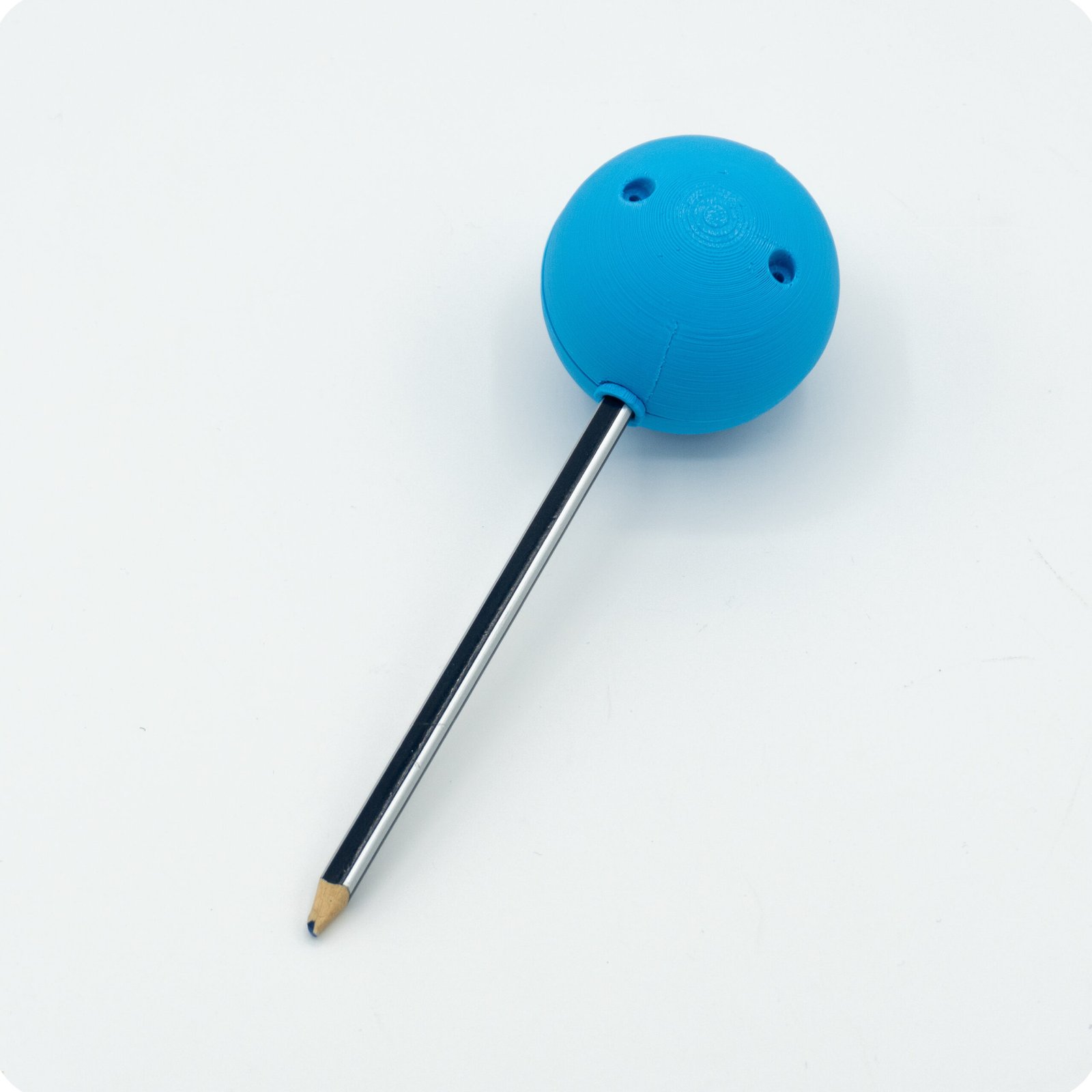
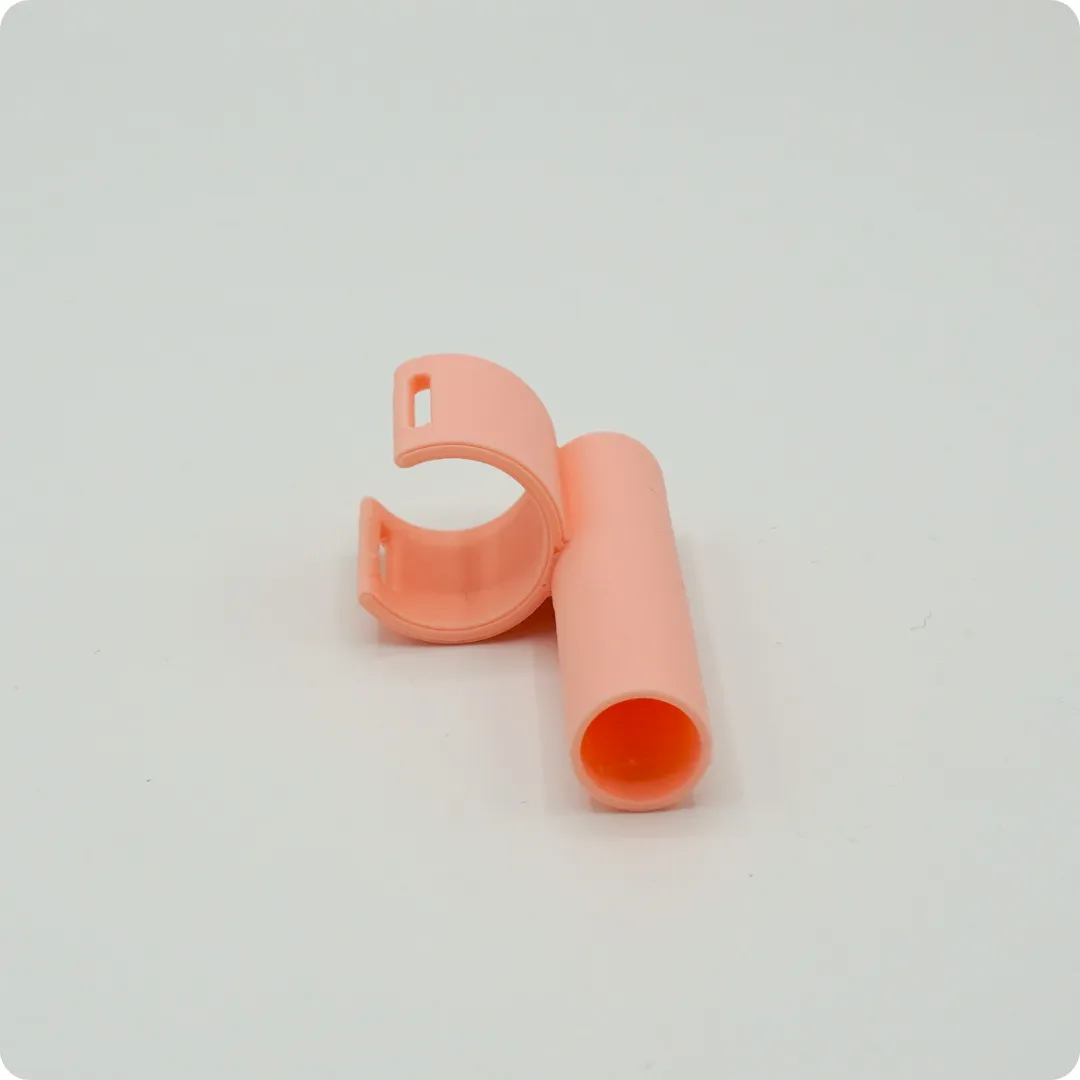
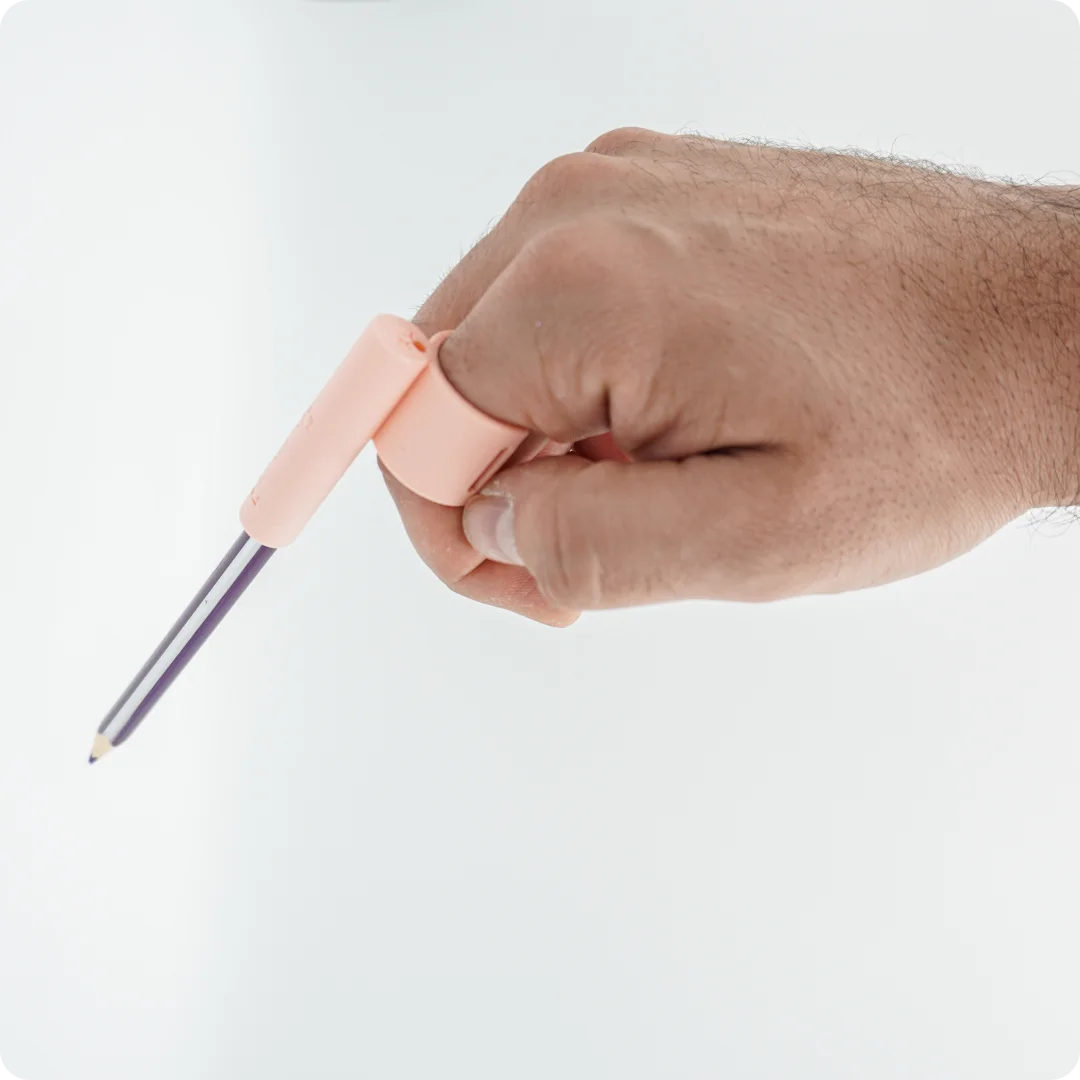
Thickened grip










Movilidad personal
Los dispositivos de movilidad personal son ayudas técnicas diseñadas para facilitar el desplazamiento y la movilidad de personas con movilidad reducida. Su objetivo es mejorar la autonomía personal, favorecer la participación en actividades cotidianas y reducir las barreras físicas en el entorno.


Acompañamiento de tratamientos prolongados
Dispositivos y herramientas diseñados para mejorar la experiencia y calidad de vida de personas que afrontan enfermedades o tratamientos prolongados. Estas ayudas técnicas buscan aumentar, la autonomía, facilitar el cumplimiento de tratamientos médicos y aportar apoyo emocional y psicológico durante el proceso, especialmente, en entornos hospitalarios o tratamientos de larga duración.